
Dumpy Tree Frog Care Guide for Beginners and Daily Handling Tips

Updated: Apr 15
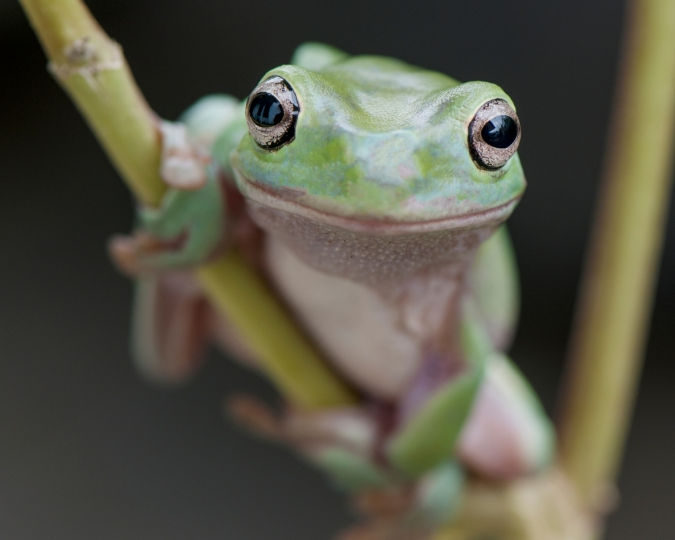
The dumpy tree frog care guide is essential for anyone who wants to keep this calm and fascinating amphibian as a pet. The species known scientifically as Ranoidea caerulea is one of the most popular pet frogs in the world because of its friendly behavior, hardy nature, and simple care needs. These frogs are commonly known as White’s tree frogs or Australian green tree frogs.
Dumpy tree frogs are native to parts of Australia, Indonesia, and New Guinea, where they live in tropical forests, woodland areas, and near wetlands. In the wild they spend most of their time climbing trees and resting on branches or leaves during the day. They become active at night to search for food and explore their surroundings.
Many beginner amphibian keepers choose this species because it is more tolerant of small care mistakes compared to other frogs. With the correct enclosure, diet, humidity, and temperature, these frogs can live long and healthy lives in captivity. This complete guide explains habitat setup, feeding, breeding, diseases, and maintenance so owners can provide the best possible care. For a more detailed breakdown of feeding practices, refer to Dumpy Tree Frog Diet and Feeding Guide for Healthy Growth.
What Is a Dumpy Tree Frog?

The dumpy tree frog is an arboreal amphibian that belongs to the tree frog family. These frogs are famous for their large rounded body, smooth green skin, and thick fatty ridge above their eyes, which gives them their characteristic “dumpy” appearance.
Their skin color is usually bright green but can sometimes appear bluish green, olive, or slightly brown depending on humidity and temperature. Their large sticky toe pads allow them to climb glass, branches, and plants with ease.
These frogs are mostly nocturnal, which means they rest during the daytime and become active at night. During daylight hours they often sit quietly on leaves, branches, or the sides of their enclosure. At night they become more active and hunt insects.
Because they move slowly and remain calm most of the time, they are easy to observe and maintain. Their relaxed personality is one of the main reasons they are considered one of the best pet frogs for beginners.
Size and Lifespan
Adult dumpy tree frogs usually reach a body length of 7.5–13 cm (3–5 inches). Females are often slightly larger than males. Their thick body and large head give them a heavy appearance compared with many other tree frogs.
One of the most appealing features of this species is its long lifespan. With proper care, these frogs commonly live 10–15 years in captivity, and some individuals have been recorded living close to 20 years in well-maintained environments.
Because they live for many years, potential owners should understand that caring for a dumpy tree frog is a long-term responsibility. Understanding long-term health is important, and more details are covered in Dumpy Tree Frog Diseases and Treatment Guide for Common Issues.
Dumpy Tree Frog Enclosure Setup

Providing the correct enclosure is one of the most important parts of a dumpy tree frog care guide. Since these frogs live in trees, they need a vertical terrarium with enough height for climbing.
A suitable enclosure for one adult frog should measure at least 45 × 45 × 60 cm (18 × 18 × 24 inches). This size usually holds around 45–75 liters (12–20 gallons) of space. If you plan to keep more than one frog, the enclosure should be larger to avoid overcrowding.
Inside the terrarium, the environment should mimic a natural forest habitat. The enclosure should contain climbing branches, cork bark, and sturdy plants so the frog can move vertically. These frogs feel more secure when they have places to rest above the ground.
The terrarium should also include hiding spots, because frogs often rest in shaded areas during the day. A secure lid with proper ventilation is important because tree frogs are excellent climbers and can escape easily if the enclosure is not covered.
Substrate
The substrate is the material placed at the bottom of the enclosure. It helps maintain humidity and creates a natural environment.
A layer of substrate about 5–8 cm (2–3 inches) deep works well for dumpy tree frogs. Materials such as coconut fiber, organic soil mixtures, and sphagnum moss are commonly used because they hold moisture effectively.
These materials help maintain the humidity needed for healthy amphibian skin. Many keepers also add leaf litter and moss on top of the substrate to create a more natural forest floor appearance.
It is important to avoid small gravel or sand because frogs may accidentally swallow loose particles while feeding. You can explore more enclosure base and setup details in Dumpy Tree Frog Enclosure Setup Guide Safe Habitat Ke Liye.
Temperature Requirements
Maintaining proper temperatures is critical for amphibian health. Dumpy tree frogs thrive in warm but stable conditions.
During the daytime, enclosure temperatures should remain between 24–28°C. At night the temperature can safely drop to around 18–22°C. This slight drop helps mimic natural environmental cycles.
A gentle warm area of about 28–29°C can be provided using a low-wattage heat lamp or ceramic heat emitter placed above the enclosure. However, extreme heat should be avoided because amphibians are sensitive to overheating.
Using a digital thermometer helps ensure the enclosure stays within the correct temperature range.
Humidity and Water

Humidity plays an important role in amphibian health because frogs absorb moisture through their skin.
Dumpy tree frogs require a humidity level between 50–70 percent. This level can usually be maintained by misting the enclosure once or twice each day with clean dechlorinated water.
A shallow water bowl should also be placed inside the enclosure. The bowl should hold around 0.5–1 liter (0.13–0.26 gallons) of water and should be large enough for the frog to soak in if it wishes.
Water must always be dechlorinated because chlorine and other chemicals can harm amphibians. The water dish should be cleaned and refilled daily to prevent bacterial growth. Maintaining proper humidity is crucial, as detailed in Dumpy Tree Frog Enclosure Setup Guide for a Safe Habitat.
Lighting
Unlike many reptiles, dumpy tree frogs do not require strong UVB lighting. However, low-level UVB can help support natural biological processes and improve overall health.
A simple lighting cycle of 12 hours of light and 12 hours of darkness works well for most setups. This cycle helps maintain natural activity patterns.
If live plants are included in the terrarium, full-spectrum lighting can also support plant growth while providing gentle illumination for the frog.
Feeding and Diet
A proper diet is essential in any dumpy tree frog care guide. These frogs are insectivores, which means they eat insects and other small invertebrates.
Their diet in captivity usually consists of crickets, roaches, earthworms, silkworms, and other nutritious feeder insects. The insects should be properly fed before being offered to the frog so that they provide good nutritional value.
Young frogs usually require food every day because they are still growing. Adult frogs generally eat every two to three days.
The size of feeder insects should always be appropriate. A common rule is that prey should be no larger than the distance between the frog’s eyes.
To ensure proper nutrition, feeder insects should be dusted with calcium supplements several times per week. A supplement containing vitamin D3 should also be used occasionally to support bone health.
Breeding Dumpy Tree Frogs

Breeding dumpy tree frogs in captivity is possible when environmental conditions mimic their natural rainy season.
Male frogs develop vocal sacs and produce loud croaking calls to attract females. When breeding conditions are correct, the male will call frequently, especially at night.
To encourage breeding, humidity levels are often increased and the enclosure may be misted more frequently. A large shallow container filled with clean water is usually placed in the enclosure to allow egg laying.
Female frogs can lay hundreds to thousands of eggs in the water. These eggs typically hatch into tadpoles within 24–48 hours.
The tadpoles live entirely in water and feed on algae and small aquatic foods. Over several weeks they gradually develop legs and transform into small froglets.
Breeding frogs requires careful preparation because many young frogs may hatch at the same time. For a more detailed Hindi guide on reproduction, refer to Dumpy Tree Frog Ki Breeding Guide Covering Mating, Eggs Aur Tadpoles.
Common Diseases and Treatment
Although dumpy tree frogs are considered hardy animals, they can still develop health problems if their environment or diet is incorrect.
One common issue is metabolic bone disease, which occurs when frogs do not receive enough calcium or proper vitamin supplementation. This disease can cause weak bones, difficulty moving, and deformities. Treatment usually involves improving diet and adding proper supplements.
Another possible health problem is bacterial infection, sometimes called red leg syndrome. This condition may cause redness on the legs or abdomen and is often linked to poor hygiene or contaminated water. Treatment typically requires veterinary antibiotics and improved enclosure cleaning.
Obesity is also common in captive frogs because they are enthusiastic eaters. Overfeeding can lead to excessive fat deposits and reduced activity. Adjusting feeding frequency and encouraging more movement in the enclosure can help manage this problem.
Dehydration may occur if humidity levels are too low or if clean water is not available. Maintaining proper humidity and providing fresh water usually resolves this issue. Monitoring your frog regularly helps detect health problems early and ensures quick treatment if needed.
Temperament and Behavior

Dumpy tree frogs are known for their gentle and calm temperament. They usually remain still during the day and become more active during nighttime hours.
These frogs often sit on leaves, branches, or the glass walls of the enclosure while resting. At night they climb around the habitat and search for food.
Although they can become somewhat accustomed to their keeper, handling should be minimal. Amphibian skin is extremely sensitive and can absorb oils or chemicals from human skin.
If handling is necessary, hands should be clean and free from soaps or lotions.
Cleaning and Maintenance
Maintaining a clean enclosure is important for preventing disease and maintaining a healthy frog.
Daily maintenance should include removing waste and uneaten insects. The water dish should be cleaned and refilled with fresh dechlorinated water each day.
Substrate should be replaced periodically to prevent bacterial buildup. Regular maintenance helps keep the habitat safe and healthy. For a complete breakdown of illnesses and solutions, see Dumpy Tree Frog Diseases and Treatment Guide for Common Issues.
The dumpy tree frog care guide shows why this species is one of the most popular amphibian pets in the world. Their friendly personality, adorable appearance, and relatively simple care requirements make them ideal for beginners.
By providing a vertical enclosure, temperatures between 24–28°C (75–82°F), humidity of 50–70 percent, and a balanced insect diet, keepers can create a healthy environment for these frogs.
Regular cleaning, proper supplementation, and monitoring for health problems will ensure they remain healthy for many years.
With the right care and attention, dumpy tree frogs can live long lives and provide endless fascination for amphibian enthusiasts. To strengthen your overall understanding, consider reading Dumpy Tree Frog Care Guide for Beginners and Daily Handling Tips.
At Promeal, we know how important it is to give your pets a healthy and varied diet. That’s why we create high-quality, natural pet food to keep them happy and healthy.
Our speciality is premium live and dried insect-based feeds like mealworms, superworms, crickets, roaches, waxworms, and hornworms. These insects are grown on an organic diet, making them a nutritious and tasty treat for your pets.
Check out our "Shop" section to find the perfect food for your pets!


Comments