
Dumpy Tree Frog Enclosure Setup Guide for a Safe Habitat

Updated: Apr 15

The dumpy tree frog's enclosure is one of the most important factors for keeping this amphibian healthy in captivity. Dumpy tree frogs, scientifically known as Ranoidea caerulea, are arboreal animals. This means they spend most of their lives climbing trees, branches, and plants rather than living on the ground. Because of this natural behavior, their enclosure must provide vertical space, climbing structures, and proper humidity.
In the wild, these frogs live in warm tropical environments in Australia, Indonesia, and New Guinea. Their natural habitats include forests, woodland areas, and wetlands where they can hide in tree hollows and leaves during the day. At night they become active and climb around searching for food.
When kept as pets, their enclosure must recreate these environmental conditions as closely as possible. A proper habitat helps reduce stress, encourages natural behavior, and supports long-term health. This guide explains everything needed to build the ideal dumpy tree frog enclosure, including tank size, substrate, decorations, lighting, humidity, and maintenance. If you are new to keeping amphibians, Dumpy Tree Frog Care Guide for Beginners and Daily Handling Tips can help you understand the basics of proper care.
Why the Enclosure Setup Is Important?

A well-designed dumpy tree frog enclosure does much more than simply hold the frog. It creates an environment that supports the frog’s physical and behavioral needs.
Tree frogs rely on vertical structures for movement and security. In the wild they rarely spend time on the forest floor. Instead they climb branches and leaves where they feel safe from predators. Providing vertical climbing space inside the enclosure allows them to display this natural behavior.
A proper enclosure also helps maintain stable temperature, humidity, and cleanliness. Amphibians are very sensitive to environmental changes, and poor conditions can quickly lead to stress or illness.
When the enclosure is set up correctly, frogs remain active, feed normally, and display natural behaviors such as climbing and resting in elevated positions.
Recommended Tank Type
Choosing the right tank is the first step when building a dumpy tree frog enclosure. Because these frogs are climbers, vertical terrariums work much better than wide tanks.
A glass terrarium designed for reptiles or amphibians is usually the best option. Glass tanks help maintain humidity while allowing clear viewing of the animal.
Another important feature is proper ventilation. Good airflow helps prevent excessive moisture buildup and reduces the risk of mold or bacterial growth. Many terrariums include a mesh or screen lid that allows fresh air to circulate while keeping the frog safely inside.
Front-opening terrariums are often preferred because they make feeding and cleaning easier. They also reduce stress on the frog since the keeper can access the enclosure from the side rather than from above. For more details on choosing the right terrarium, Dumpy Tree Frog Enclosure Setup Guide for a Safe Habitat offers helpful guidance.
Minimum Enclosure Size

Providing the correct enclosure size is essential for the frog’s comfort and health.
For a single adult frog, the minimum recommended size is about 45 × 45 × 60 cm (18 × 18 × 24 inches). This enclosure usually holds approximately 75 liters (20 gallons) of space.
This size provides enough height for climbing branches and plants, which allows the frog to move naturally within its environment.
If you plan to keep multiple frogs together, the enclosure should be larger. A habitat measuring 60 × 45 × 90 cm (24 × 18 × 36 inches) or larger is ideal for small groups.
Providing extra space helps prevent overcrowding and allows frogs to establish their own resting areas. Larger enclosures also make it easier to create temperature and humidity gradients.
Substrate Options
The substrate forms the base layer of the dumpy tree frog enclosure. It plays an important role in maintaining humidity and supporting plants.
A substrate layer around 5–8 cm (2–3 inches) deep is usually enough to retain moisture and create a natural appearance.
Several substrate materials work well for tree frog habitats. Coconut fiber is widely used because it holds moisture well and is safe for amphibians. Organic soil mixes designed for terrariums can also help create a natural environment and support live plants.
Sphagnum moss is another useful material. It helps retain humidity and creates soft surfaces for the frog.
A combination of these materials often works best because it improves moisture retention while maintaining good airflow.
The substrate should remain slightly moist but not soaked. Excess water can cause mold growth or bacterial issues, which may harm the frog.
Essential Enclosure Decorations
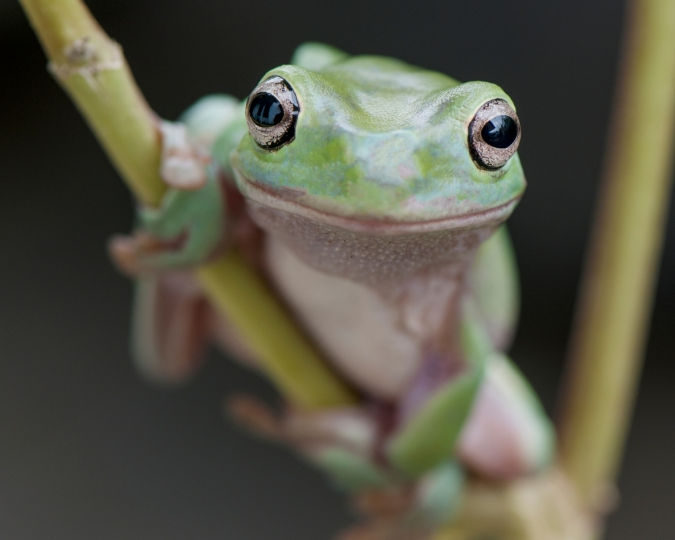
Decorations are a key part of creating a realistic dumpy tree frog enclosure. These items help mimic the frog’s natural environment and provide important climbing surfaces.
Climbing branches are essential because tree frogs spend much of their time resting on elevated surfaces. Branches should be strong enough to support the frog’s weight and positioned at different heights.
Plants are another important feature. Both live and artificial plants can be used. Plants create shade and hiding areas where frogs can rest during the day.
Hiding spots are also necessary because frogs naturally prefer protected resting areas. Cork bark, hollow logs, and dense plants can provide these safe spaces.
Decorations should be arranged carefully to allow easy movement while still providing plenty of cover. Providing enrichment is important, and Dumpy Tree Frog Care Guide for Beginners and Daily Handling Tips explains how to support natural behavior.
Water Source
Although dumpy tree frogs absorb moisture through their skin, they still require a clean water source in their enclosure.
A shallow water dish should always be available. The dish should be large enough for the frog to sit in but shallow enough to prevent accidental drowning.
A typical dish may hold around 0.5–1 liter (0.13–0.26 gallons) of water. The water must always be dechlorinated because chlorine and other chemicals can damage amphibian skin.
The water should be replaced daily to maintain cleanliness and prevent bacteria buildup.
In addition to the water dish, regular misting helps maintain humidity and allows frogs to hydrate through their skin.
Humidity Levels

Maintaining proper humidity is a critical part of the dumpy tree frog enclosure setup.
These frogs require humidity levels between 50–70 percent. This range mimics the natural conditions of their tropical habitat.
Humidity can be maintained by lightly misting the enclosure once or twice each day using clean water.
The substrate and plants help retain moisture, which stabilizes humidity levels. However, the enclosure should also have adequate ventilation so that moisture does not become excessive.
Monitoring humidity with a digital hygrometer ensures that conditions remain within the correct range.
Temperature Requirements
Temperature control is another important element of the dumpy tree frog enclosure.
During the day, the enclosure should remain between 24–28°C. This range allows the frog to remain active and comfortable.
At night, temperatures can drop slightly to 18–22°C, which reflects natural temperature changes in the wild.
A gentle warm area around 28–29°C can be created using a low-wattage heat lamp or ceramic heat emitter placed above the enclosure.
Extreme heat should be avoided because amphibians are sensitive to overheating. Monitoring temperatures with digital thermometers ensures a stable environment. Incorrect temperatures can cause health problems, as explained in Dumpy Tree Frog Diseases and Treatment Guide for Common Issues.
Lighting Setup
Lighting helps regulate the frog’s daily activity cycle.
Most dumpy tree frogs do well with a 12-hour light and 12-hour dark cycle. This simple schedule mimics natural daylight patterns.
Unlike many reptiles, these frogs do not require strong UVB lighting to survive. However, low-level UVB lighting can be beneficial because it supports natural biological processes and helps maintain overall health.
If live plants are used inside the enclosure, full-spectrum lighting can also help plants grow while providing gentle illumination.
Enclosure Cleaning and Maintenance

Regular maintenance keeps the dumpy tree frog enclosure safe and healthy.
Daily maintenance includes removing waste, cleaning the water dish, and removing uneaten insects. These steps help prevent bacterial growth and maintain hygiene.
The substrate should be checked regularly and replaced when it becomes excessively dirty or compacted.
Decorations and branches may also need occasional cleaning to remove waste buildup.
Maintaining a clean environment greatly reduces the risk of infections and other health problems.
Common Enclosure Mistakes
Many beginners make mistakes when setting up a dumpy tree frog enclosure.
One common mistake is using a tank that is too small or too wide rather than tall. Because these frogs climb, vertical space is more important than floor space.
Another mistake is poor humidity control. Extremely dry conditions can lead to dehydration, while excessive moisture without ventilation can cause mold growth.
Using untreated tap water is also a common error. Water must always be dechlorinated to prevent skin irritation.
Finally, overcrowding multiple frogs in a small enclosure can cause stress and competition for space. Avoiding these mistakes helps ensure a healthy habitat.
The dumpy tree frog enclosure plays a major role in keeping these amphibians healthy and active. Because they are arboreal animals, they require a vertical terrarium with climbing branches, plants, and hiding spaces that mimic their natural forest environment.
Providing proper substrate, humidity levels between 50–70 percent, and stable temperatures between 24–28°C helps recreate the conditions they experience in the wild.
A clean water dish, good ventilation, and regular enclosure maintenance further support the frog’s health.
When designed correctly, a well-structured enclosure allows dumpy tree frogs to display natural behaviors and live comfortably for many years.
If you plan to keep this species, start building a proper dumpy tree frog enclosure today to create a safe and natural home for your frog. If you want to explore the full life cycle, Dumpy Tree Frog Ki Breeding Guide Covering Mating, Eggs Aur Tadpoles provides detailed insights into reproduction.
At Promeal, we know how important it is to give your pets a healthy and varied diet. That’s why we create high-quality, natural pet food to keep them happy and healthy.
Our speciality is premium live and dried insect-based feeds like mealworms, superworms, crickets, roaches, waxworms, and hornworms. These insects are grown on an organic diet, making them a nutritious and tasty treat for your pets.
Check out our "Shop" section to find the perfect food for your pets!


Comments