
Feeding Superworms to Large Fish: Diet Tips, Frequency and Health Risks
- Sanket Shinde

- Feb 6
- 5 min read

Feeding superworms to large carnivorous fish is a topic many fish keepers search for when they want to improve growth, color, and natural hunting behavior. Large predatory fish like Arowana, Oscars, big Cichlids, and other aggressive species often respond very well to live foods. Superworms are commonly used as feeder insects, but they must be offered with proper knowledge. Feeding superworms incorrectly can cause health problems, while correct feeding can support strength and activity. This guide explains everything in very simple language so even beginners can understand it clearly.
What Are Superworms, and Why Do Fish Keepers Use Them?
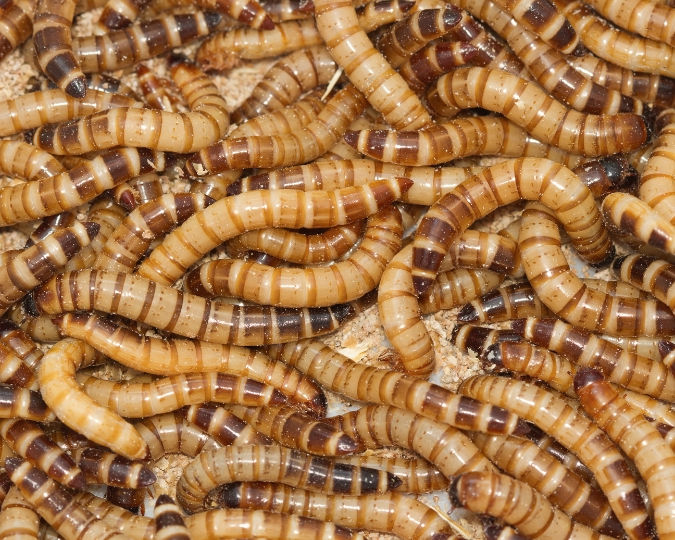
Superworms are large feeder insects that are rich in protein and fat. They move actively in water, which triggers the hunting instinct of carnivorous fish. Many large fish species naturally eat insects in the wild, so superworms can act as a natural-style food. They are not a complete diet, but they can be a useful supplement when used carefully.
Superworms are much bigger and tougher than mealworms. This makes them suitable mainly for large-mouthed, strong-jawed fish. Small fish or weak eaters should never be given superworms because of choking and digestion risks.
Which Large Carnivorous Fish Can Eat Superworms Safely?

Large carnivorous fish that actively hunt prey are the best candidates for superworms. Arowana are surface hunters and often accept superworms readily. Oscars are powerful eaters and can chew and swallow superworms without difficulty. Many large Cichlids, including Flowerhorns and similar species, also handle superworms well when fed in proper size and quantity.
Other predatory fish like large catfish, snakeheads, and some predatory barbs may also accept superworms. Fish must be big enough to swallow the worm fully. If the fish struggles or spits the worm out repeatedly, it means the food is not suitable.
Nutritional Value of Superworms for Carnivorous Fish
Superworms are high in protein, which supports muscle growth and energy. They also contain fat, which helps active fish maintain weight and strength. However, superworms are low in certain vitamins and minerals, especially calcium. Because of this imbalance, they should never be used as a daily staple food.
Fish fed only on superworms may develop nutritional deficiencies over time. A balanced diet should include quality pellets, frozen foods, and other safe live foods along with superworms.
Importance of Calcium and Mineral Balance
One major concern with feeding superworms is their poor calcium-to-phosphorus ratio. Fish need proper mineral balance for bone strength, fin development, and overall health. Too much phosphorus and too little calcium can weaken the skeleton over time.
To reduce this risk, superworms should be gut-loaded before feeding. Gut-loading means feeding the worms nutritious foods before offering them to fish. This improves their nutritional value slightly, but it does not make them complete food. Superworms should still remain an occasional treat.
Feeding Frequency for Large Carnivorous Fish
Superworms should be fed occasionally, not daily. For most large carnivorous fish, feeding superworms once or twice a week is enough. This frequency provides variety without causing nutritional imbalance.
Overfeeding superworms can lead to obesity, fatty liver problems, and poor water quality. Large fish do not need live food every day, even if they appear eager to eat.
Portion Size and Feeding Control
Portion size is extremely important when feeding superworms. Only feed as many worms as the fish can eat within a short time. Uneaten worms can sink and pollute the water or burrow into decorations.
A good rule is to offer one or two appropriately sized superworms per feeding session. Large fish may handle more, but moderation is always safer. More food does not mean better health.
How to Prepare Superworms Before Feeding?

Superworms should be healthy, active, and clean before feeding. Weak or dead worms should never be offered to fish. Some fish keepers prefer to slightly crush the head of the worm before feeding to reduce movement and lower choking risk.
Rinsing superworms briefly in clean water can help remove surface dirt. Avoid feeding worms that smell bad or look discolored, as this can indicate poor quality.
Risks of Feeding Superworms to Fish
One major risk is choking. Superworms are thick and strong, and fish that try to swallow them too quickly may struggle. Another risk is digestive blockage caused by the hard outer shell of the worm. This risk increases if fish are fed too many worms at once.
Poor digestion can lead to bloating, loss of appetite, and lethargy. If such signs appear, superworms should be removed from the diet immediately.
Impact on Water Quality

Live insects can affect aquarium water quality if not managed carefully. Uneaten superworms can decay and release waste into the tank. This increases ammonia and stresses fish.
Feeding superworms in controlled amounts and removing leftovers quickly helps maintain clean water. Good filtration and regular water changes are also important when using live foods.
Superworms Versus Other Live Foods
Superworms are richer in fat compared to many other feeder insects. This makes them useful for thin or very active fish, but risky if overused. Other live foods like earthworms, crickets, or shrimp can offer different nutrients.
Using a variety of foods reduces the chance of deficiency. Diet diversity is key for long-term fish health.
Signs That Superworms Are Not Suitable for Your Fish
If fish repeatedly spit out superworms, struggle to swallow them, or show stress during feeding, the food is not suitable. Digestive problems, swelling, or reduced activity after feeding are warning signs.
Every fish is different. Even within carnivorous species, individual tolerance can vary.
Best Feeding Practices for Long-Term Health

Superworms should be treated as a supplement, not a main food. Combining them with high-quality pellets and frozen foods ensures better nutrition. Feeding at consistent times and observing fish behavior helps prevent problems.
Healthy fish show strong appetite, clear eyes, smooth swimming, and good color. Food choices directly affect these signs.
Common Mistakes Fish Keepers Make
Many beginners feed superworms too often because fish appear excited. Others offer worms that are too large. Some ignore gut-loading and water cleanliness.
Avoiding these mistakes improves survival and growth in large carnivorous fish.
Are Superworms Necessary for Carnivorous Fish
Superworms are not required for fish survival. Many fish live healthy lives on pellets and frozen foods alone. Superworms simply add enrichment and variety when used responsibly.
Fish health depends more on balance than on any single food item.
Feeding superworms to large carnivorous fish can be safe and beneficial when done correctly. They provide stimulation and protein but also carry risks if overused. Moderation, observation, and balance are the keys.
When used wisely, superworms can be part of a healthy feeding routine without harming fish.
If you found this guide helpful, explore more expert fish care articles and learn how to build a balanced diet that keeps your carnivorous fish strong and thriving.
At Promeal, we know how important it is to give your pets a healthy and varied diet. That’s why we create high-quality, natural pet food to keep them happy and healthy.
Our specialty is premium live and dried insect-based feeds like mealworms, superworms, crickets, roaches, waxworms, and hornworms. These insects are grown on an organic diet, making them a nutritious and tasty treat for your pets.
Check out our "Shop" section to find the perfect food for your pets!


Comments