
Red-Eyed Crocodile Skink Breeding Guide for Eggs and Baby Care

Updated: Apr 16
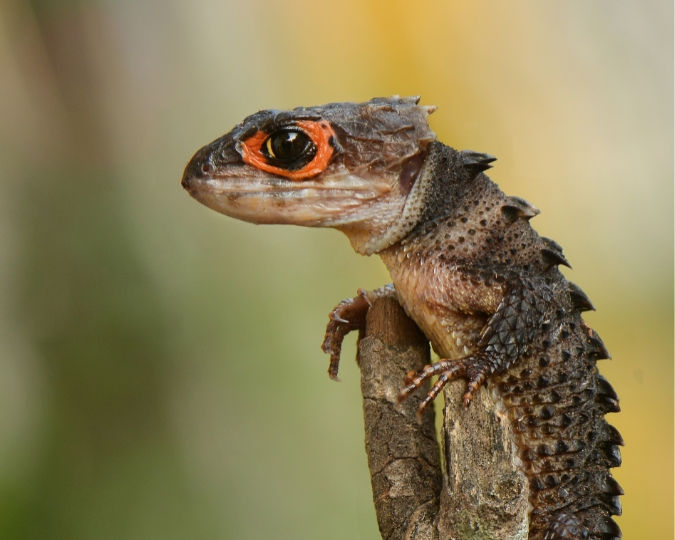
Red eyed crocodile skink breeding is possible in captivity, but it requires patience, stable humidity, and calm environmental conditions. This species is not as commonly breed as many other reptiles because it is shy and sensitive to stress. Breeding this species is possible but requires correct humidity and calm conditions. Without proper setup, pairing attempts often fail.
The red eyed crocodile skink, scientifically known as Tribolonotus gracilis, comes from the humid rainforests of Papua New Guinea. In the wild, it lives on moist forest floors under leaf litter and logs. Successful breeding in captivity depends on copying these natural conditions closely.
This advanced guide explains male and female differences, breeding age, egg laying, incubation, hatchling care, and common mistakes using simple and clear language. Creating the right conditions is critical, and Red-Eyed Crocodile Skink Tank Setup Guide for a Natural Habitat explains how to build a stable environment for breeding.
Male vs Female Difference
Sexing red eyed crocodile skinks can be difficult for beginners because both genders look similar. However, there are some differences.
Males usually have slightly larger heads compared to females. Their body may appear more muscular, especially during breeding season.
Females often have a slightly slimmer head and may show a rounder body shape when carrying an egg.
Another difference is behavior. Males may show mild territorial behavior if kept with another male. For this reason, housing two males together is not recommended.
Accurate sex identification is important before attempting breeding.
Breeding Age and Maturity

Red eyed crocodile skinks reach sexual maturity at around 18 to 24 months of age. Attempting to breed younger females can cause stress and health problems.
A mature adult typically measures 7 to 9 inches in total length and weighs between 40 to 60 grams.
Healthy body weight and strong feeding response are signs that the skink may be ready for breeding.
Breeding should only be attempted when both male and female are in strong health, free from parasites, and eating regularly.
Never breed underweight or stressed individuals. Strong growth and breeding readiness depend on nutrition, which is covered in Red-Eyed Crocodile Skink Diet and Feeding Guide for Proper Health.
Ideal Breeding Environment
Humidity must remain between 70 and 90 percent at all times. Stable moisture supports egg development.
Daytime temperature should stay between 75 and 82 degrees Fahrenheit, with night temperatures around 70 to 72 degrees Fahrenheit.
The enclosure should provide a deep substrate of at least 3 to 4 inches made from coconut fiber and leaf litter. This allows proper egg burial.
Multiple hiding spots reduce stress during pairing. Breeding often occurs after stable conditions are maintained for several weeks. Sudden changes in temperature or humidity may interrupt reproductive behavior.
Consistency is the key factor in breeding success.
Egg Laying Behavior
Red eyed crocodile skinks lay one egg at a time. Unlike many reptiles that lay clutches of multiple eggs, this species produces single eggs per cycle.
After mating, the female develops one egg internally. She may show slight body swelling before laying.
The egg is usually buried in moist substrate or hidden under leaf litter. The female may choose a quiet and secure corner of the enclosure.
It is important not to disturb the enclosure excessively during this time. Stress can cause egg retention or abandonment. One egg per cycle means patience is required in breeding programs. Maintaining a calm and stress-free enclosure is explained in Red-Eyed Crocodile Skink Care Guide: Beginners Aur Daily Care Ke Liye.
Egg Characteristics

The egg is soft-shelled and white. It is sensitive to dryness and extreme heat.
Carefully locate the egg without rotating it. Turning reptile eggs may damage embryo development.
Some breeders leave the egg in the enclosure if humidity is stable. Others move it to a separate incubation container for better control.
Both methods can work if conditions remain correct.
Incubation Temperature and Humidity
Incubation temperature should stay between 75 and 82 degrees Fahrenheit. Temperatures outside this range may slow development or cause embryo failure.
Humidity must remain high during incubation. Moist but not wet substrate is important. Excess water can cause mold growth.
A small container with air holes and damp vermiculite or moss can be used for incubation. Incubation period usually lasts around 60 to 90 days, depending on temperature stability. Stable warmth and moisture are critical for embryo survival. Maintaining stable incubation conditions becomes easier with guidance from Red-Eyed Crocodile Skink Tank Setup Guide for a Natural Habitat.
Hatchling Appearance and Size
New hatchlings measure about 2 to 3 inches in total length. They look like tiny versions of adults with bright red eye markings. Hatchlings are independent from birth and do not require parental care. They are usually active and alert within hours of hatching.
Provide small prey such as pinhead crickets or small larvae.
Hatchling Care Setup

Hatchlings should be housed separately to prevent stress or accidental injury.
A small enclosure of around 5 to 10 gallons is enough for one hatchling.
Humidity must remain between 70 and 90 percent. Light misting once daily supports hydration.
Temperature should match adult care, staying between 75 and 82 degrees during the day. Feed small insects daily during the first few months. Dust insects lightly with calcium powder.
Early nutrition supports strong bone growth.
Common Breeding Mistakes
One common mistake is pairing skinks without confirming gender. Two males together may fight or stress each other.
Another mistake is low humidity. Dry conditions can prevent egg development. Frequent enclosure disturbance may cause females to abandon egg laying sites.
Breeding underweight or unhealthy individuals can lead to egg binding or weak hatchlings. Incorrect incubation temperature is another major cause of failure. Most breeding failures come from unstable moisture and temperature. Many breeding mistakes can lead to health issues covered in Red-Eyed Crocodile Skink Diseases and Treatment Guide Fully Explained.
Monitoring Female Health After Laying
After laying, the female should return to normal eating within a few days.
Offer calcium supplementation to support recovery. Watch for signs of egg retention such as swelling without laying or lack of appetite for extended periods. If egg binding is suspected, veterinary care is necessary.
Proper post-laying care helps maintain long-term reproductive health.
Breeding Frequency

Females usually lay one egg at a time and may produce several eggs throughout the year if conditions remain ideal. However, overbreeding can weaken females. It is wise to allow rest periods between breeding cycles.
Healthy females maintained under stable conditions have better long-term productivity. Proper care and recovery between cycles are explained in Red-Eyed Crocodile Skink Care Guide for Beginners and Daily Care.
Long Term Breeding Success
Red eyed crocodile skink breeding requires patience because reproduction is slower compared to many reptiles. The single egg cycle means population growth is gradual.
Maintaining detailed records of pairing dates, egg laying, and incubation temperature helps improve results over time. Clean environment, stable humidity, proper diet, and low stress directly affect reproductive success.
Breeding success depends on stable moisture and temperature.
Red eyed crocodile skink breeding is an advanced responsibility that requires experience and attention to detail. Males and females reach maturity at around 18 to 24 months. Females lay one egg at a time and bury it in moist soil. Incubation must stay between 75 and 82 degrees Fahrenheit with high humidity. Hatchlings are independent and require small daily feedings.
Stable humidity, correct temperature, proper nutrition, and minimal stress are the foundation of successful breeding. If you are planning to breed red eyed crocodile skinks, prepare your enclosure carefully and maintain consistent environmental conditions to achieve healthy hatchlings and long-term success. For a complete step-by-step breakdown, read Red-Eyed Crocodile Skink Breeding Guide for Eggs and Baby Care.
At Promeal, we know how important it is to give your pets a healthy and varied diet. That’s why we create high-quality, natural pet food to keep them happy and healthy. Our speciality is premium live and dried insect-based feeds like mealworms, superworms, crickets, roaches, waxworms, and hornworms. These insects are grown on an organic diet, making them a nutritious and tasty treat for your pets.
Check out our "Shop" section to find the perfect food for your pets!


Comments