
Snakehead Fish Summer Care Guide for Oxygen and Water Quality

Updated: Jan 28
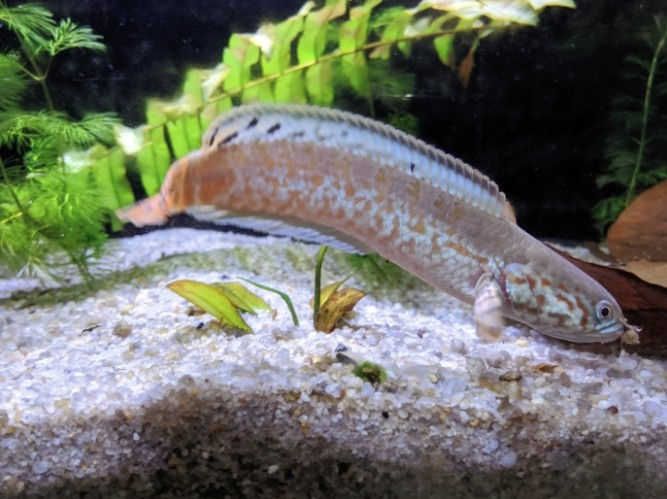
Snakehead fish are fascinating freshwater fish known for their strength and adaptability. They are popular in home aquariums and ponds, but caring for them properly is crucial, especially during summer. Hot weather can affect water temperature, oxygen levels, and overall water quality, which can stress your fish and even cause health problems. This guide will help you understand everything you need to keep your snakehead fish healthy in summer, with a focus on oxygen and water quality.
Even though snakehead fish can breathe air thanks to a special organ, this does not replace the need for clean, well-maintained water. Proper care ensures they grow well, stay active, and remain disease-free.
1. Understanding Snakehead Fish and Summer Challenges

Snakehead fish belong to the genus Channa and are native to freshwater habitats in Asia. These fish are hardy and can survive in low-oxygen water thanks to a suprabranchial organ that allows them to breathe air at the surface. While this is a unique survival adaptation, it does not mean they thrive in poor water conditions.
Summer introduces specific challenges. High temperatures reduce the amount of dissolved oxygen in water, making it harder for fish to breathe. Warm water also accelerates metabolism, so fish require more oxygen. Additionally, heat speeds up the breakdown of uneaten food and fish waste, which can increase harmful substances like ammonia and nitrite in the water. This combination of factors can easily stress snakehead fish if water conditions are not carefully maintained.
Proper summer care focuses on maintaining stable water temperature, high dissolved oxygen levels, and clean water to ensure the fish remain healthy. Observing your fish regularly and understanding their behavior is a key part of keeping them safe during the hot months.
2. Ideal Water Conditions for Summer

Maintaining the right water conditions is essential for snakehead fish, especially in summer. The main factors to monitor are temperature, pH, dissolved oxygen, and chemical balance.
The optimal temperature for snakehead fish is generally between 22–30 °C (72–86 °F). Water that is too warm can be stressful and reduce oxygen availability. Sudden changes in temperature are more dangerous than stable high temperatures, so keeping water consistent is critical.
The pH level should be slightly acidic to neutral, around 6.0–8.0. Extreme pH levels can weaken the fish’s immune system and cause stress. Monitoring pH regularly and making gradual adjustments if needed will help your fish stay healthy.
Dissolved oxygen is vital even though snakehead fish can breathe air. Fish rely on dissolved oxygen for normal metabolism and growth. Oxygen levels below approximately 5 mg/L can cause stress and weaken the immune system, making fish more prone to disease. Keeping oxygen levels adequate prevents lethargy, abnormal swimming, and loss of appetite.
Maintaining a safe balance of ammonia, nitrite, and nitrate is also critical. Fish waste and decaying food release ammonia, which is toxic at even low concentrations. Nitrite is similarly harmful, and nitrate should be kept low through regular water changes. Healthy, cycled water supports growth, reproduction, and overall well-being.
3. Oxygen Management in Summer

Summer heat can cause oxygen levels to drop quickly, so managing oxygen is one of the most important tasks for snakehead fish care. Even though snakeheads breathe air at the surface, dissolved oxygen in water is necessary for overall health and normal behavior. Low oxygen combined with high temperatures can stress fish and lead to illness.
To maintain healthy oxygen levels, gentle water movement is important. Snakeheads prefer calm waters, so avoid creating strong currents. Using air pumps or air stones helps oxygenate the water efficiently. This also encourages beneficial bacteria to thrive in filters, which helps keep ammonia and nitrite levels low.
Adding floating plants or providing partial shade can cool water slightly while still allowing oxygen production during the day. However, plants also consume oxygen at night, so balance is needed. Monitoring oxygen levels with a simple meter or test kit helps detect problems before they become dangerous.
Overcrowding reduces oxygen availability, so keeping an appropriate number of fish for your tank or pond is essential. Combining proper aeration, shading, and careful stocking ensures oxygen levels remain stable even in hot weather.
4. Maintaining Water Quality

Good water quality is essential for snakehead fish, particularly in summer when high temperatures accelerate waste accumulation. Filtration, regular water changes, and careful feeding are the main strategies to maintain healthy water.
A strong filter system removes waste, uneaten food, and harmful chemicals such as ammonia and nitrite. It also ensures water circulation, which distributes oxygen evenly. Regular filter maintenance prevents clogs and ensures consistent performance.
Performing partial water changes is critical. In aquariums, changing 25–50% of the water weekly is recommended, and in ponds, refreshing a portion of the water periodically helps prevent buildup of harmful substances. In hot summer months, you may need to increase the frequency of water changes because water quality deteriorates faster in warm conditions.
Feeding must be controlled. Overfeeding leads to uneaten food decomposing in the water, increasing ammonia levels and reducing oxygen. Feed only the amount your fish can consume in a few minutes. Careful feeding helps keep water clean and reduces stress on your fish.
Observing fish behavior is also a key part of water quality management. Fish that frequently swim near the surface, show rapid breathing, or become lethargic may indicate low oxygen or poor water quality. Early action can prevent serious health issues.
5. Practical Summer Care Tips

Caring for snakehead fish in summer involves combining multiple practices. Monitoring temperature, oxygen, and water quality, along with observing fish behavior, ensures healthy conditions.
Provide shade for tanks or ponds to reduce water temperature and prevent oxygen levels from dropping too low. Ensure the fish can access the surface easily to breathe air if necessary, but do not rely solely on air breathing as a substitute for proper oxygenation.
Maintain consistent water temperature and avoid sudden changes. Stability is more important than exact numbers. Regularly check dissolved oxygen, pH, and chemical balance, adjusting as needed.
Provide clean water with frequent changes, especially in hot weather, to remove waste and reduce toxins. Use strong but gentle filtration to maintain clarity and support beneficial bacteria. Feed fish sparingly, observing their consumption to prevent leftovers from polluting water.
Watch your fish for signs of stress. Lethargy, reduced appetite, abnormal swimming, or staying near the surface are all indicators that water or oxygen conditions may need attention. Respond quickly to these signs by testing water and taking corrective action.
6. Tank and Pond Considerations

Whether keeping snakehead fish in a tank or pond, the same principles apply, though scale and equipment differ. In tanks, a lid with a small air gap allows the fish to surface safely without escaping. Use air stones or gentle water pumps for oxygen and circulation. Daily checks of water temperature and oxygen levels are recommended.
In ponds, shade, water depth, and circulation devices like paddle wheels or aerators help maintain stable temperature and oxygen. Partial water replacement or inflow/outflow systems keeps water fresh. Both tanks and ponds require careful monitoring, especially during heat waves, to prevent stress and disease.
Snakehead fish thrive in calm water with clean, well-oxygenated conditions. Combining proper feeding, water maintenance, oxygen management, and observation ensures they grow strong and healthy even in the hottest months.
7. Food and Health Care During Summer

Proper feeding and health management are just as important as water and oxygen care for snakehead fish. In summer, fish metabolism increases due to higher temperatures, which means they require more energy. However, overfeeding can be dangerous because uneaten food decays quickly in warm water, raising ammonia and nitrite levels. Feed only what the fish can eat in a few minutes, usually one to two small meals per day, depending on the size and number of fish.
Snakehead fish thrive on a high-protein diet, including live or frozen foods like small fish, shrimp, worms, and insects. Supplementing with high-quality commercial pellets ensures balanced nutrition. Avoid feeding fatty or overly processed foods, as these can lead to digestive problems, reduce appetite, and pollute water.
Feeding live insects like mealworms, superworms, or crickets can be a good way to provide high-protein nutrition for snakehead fish during summer. These insects are natural and easy for fish to hunt, which encourages active feeding and exercise. However, it’s important to feed in moderation, because leftover insects can quickly decompose in warm water, raising ammonia and nitrite levels and harming water quality. Always remove uneaten insects promptly and balance live feeding with clean water and stable oxygen levels to keep your fish healthy.
Monitoring fish behavior during feeding is important. Fish that refuse to eat, swim erratically, or appear lethargic may be stressed by water conditions, disease, or poor diet. Regularly inspecting your fish for signs of disease such as discolored scales, frayed fins, bloating, or unusual growths can prevent outbreaks. If disease is suspected, quarantine affected fish and adjust water conditions immediately.
Good nutrition supports the fish’s immune system, making them more resilient to summer stress. Combined with clean water, stable temperature, and proper oxygen levels, a balanced diet ensures your snakehead fish stay active, grow well, and remain healthy throughout the hot months.
Summer care for snakehead fish is about maintaining oxygen, water quality, and stable temperatures. While snakeheads can breathe air, this is a survival feature, not a substitute for healthy water. Providing clean water, monitoring oxygen, feeding carefully, and observing fish behavior are essential for thriving fish.
By following these simple, practical steps, you can ensure your snakehead fish remain active, healthy, and strong throughout summer. Consistency and observation are key, and the effort you put into summer care will result in healthy, thriving fish for months to come.
At Promeal, we know how important it is to give your pets a healthy and varied diet. That’s why we create high-quality, natural pet food to keep them happy and healthy.
Our speciality is premium live and dried insect-based feeds like mealworms, superworms, crickets, roaches, waxworms, and hornworms. These insects are grown on an organic diet, making them a nutritious and tasty treat for your pets.
Check out our "Shop" section to find the perfect food for your pets!



Comments