
Toad Aquarium Tank Setup Guide for a Safe and Natural Habitat


A toad aquarium tank setup guide is the most important step in keeping a healthy toad. Before thinking about feeding, breeding, or handling, the habitat must be correct. Toads are sensitive amphibians. Their skin absorbs moisture and chemicals directly from the environment. Because of this, even small mistakes in tank setup can cause stress, infection, dehydration, or serious illness.
A proper tank setup prevents most health problems. When the enclosure is safe and natural, toads behave normally, eat regularly, and live longer. In the wild, toads live in moist forests, grasslands, and areas near shallow water. A good captive tank should copy these natural conditions as closely as possible.
The environment controls the health of a toad. If the environment is correct, many diseases can be avoided completely. This guide explains tank size, substrate, humidity, water setup, lighting, plants, cleaning routines, and common mistakes in full detail.
1. Choosing the Right Tank Size
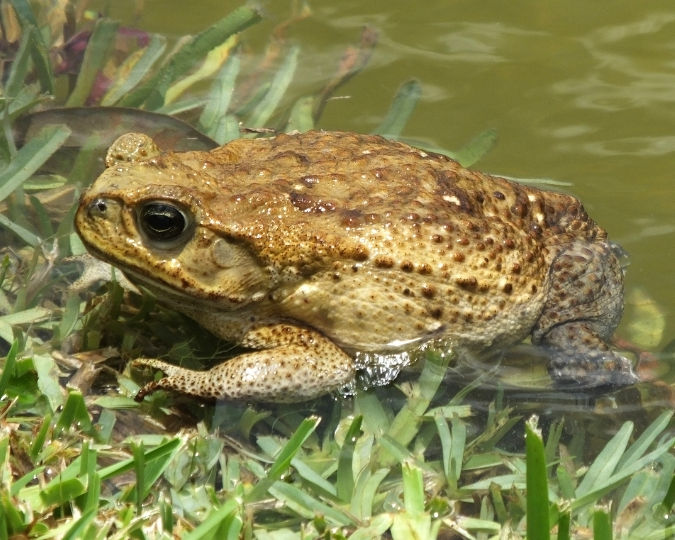
Tank size is one of the most important parts of a toad aquarium tank setup guide. Toads are ground-dwelling animals. They do not need tall enclosures. They need a wide space to walk, dig, and explore.
Minimum Size for One Toad
For small to medium species, a 10-gallon (38 liters) to 20-gallon (76 liters) tank is usually the minimum for one adult toad. Larger species require larger enclosures. A wider tank is always better than a tall one because toads spend most of their time on the ground.
A small tank causes stress. Waste builds up faster. Humidity becomes unstable. The toad cannot move freely. Over time, this weakens the immune system.
More floor space means better movement, lower stress, and stronger health.
Space per Additional Toad
If you keep more than one toad, you must increase the tank size. Each additional toad needs enough space to prevent crowding. Overcrowding leads to competition for hiding spots and food.
Crowded tanks also increase bacteria growth and waste buildup. This creates poor air and water quality.
Keeping fewer toads in a larger tank is always safer and healthier.
2. Substrate Options

Substrate is the material placed on the bottom of the tank. It affects moisture, comfort, and natural behavior. Toads like to dig and bury themselves. The right substrate allows this natural behavior.
Coconut Fiber
Coconut fiber is one of the safest and most widely recommended substrates. It holds moisture well and stays soft. It allows burrowing and helps maintain proper humidity levels.
The substrate should be damp, not wet. Excess water can cause mold and fungal growth.
Organic Soil
Organic topsoil without chemicals or fertilizers is another excellent choice. It closely matches the natural forest floor. Always check that it contains no pesticides, artificial nutrients, or added chemicals.
Natural soil supports digging behavior and moisture balance.
Moss
Moss can be added on top of soil or coconut fiber. It helps retain moisture and provides extra hiding spots. It also improves the natural look of the enclosure.
Moss must be monitored for mold. Replace it if it becomes dirty.
What to Avoid?
Gravel, sand, wood chips, and small stones should be avoided. Toads can accidentally swallow these while hunting insects. This can cause impaction, which blocks the digestive system.
Artificial substrates with dyes or chemicals can irritate sensitive amphibian skin.
Unsafe substrate is a major cause of internal blockage and skin damage.
3. Temperature and Humidity Control

Toads cannot regulate their body temperature like mammals. They depend fully on their environment.
Ideal Temperature Range
Most common toad species do well between 65 and 75 degrees Fahrenheit. Some tropical species may require slightly warmer conditions, but extreme heat must always be avoided.
High temperatures cause dehydration and stress. Cold temperatures slow digestion and weaken immunity.
Stable temperature is more important than high temperature.
Never place the tank in direct sunlight. Avoid strong heat lamps unless specifically required for the species.
Humidity Percentage
Humidity should generally stay between 50 and 70 percent for many species. Tropical species may need higher humidity levels.
Low humidity causes dry skin and difficulty shedding. Very high humidity without airflow can lead to fungal infections.
Using a hygrometer helps monitor humidity accurately.
How to Maintain Moisture?
Light misting with dechlorinated water once or twice daily helps maintain humidity. The substrate should remain slightly damp.
Good ventilation is important. Without airflow, bacteria and fungus grow quickly.
Balanced humidity prevents dehydration and fungal disease.
4. Water Area Setup
Even though toads are land animals, they need access to fresh water.

Shallow Water Dish
A shallow water dish must always be present. It should be wide enough for the toad to sit inside but shallow enough to prevent drowning.
Toads absorb water through a special patch on their belly. Clean water is essential.
Dechlorinated Water
Tap water often contains chlorine or chloramine. These chemicals are harmful to amphibians. Always use dechlorinated water or water treated with amphibian-safe conditioner.
Chlorinated water can damage skin and cause serious stress.
Cleaning Routine
The water dish should be cleaned and refilled daily. Toads often soak in their water, and waste can quickly contaminate it.
Dirty water is one of the fastest ways infections spread.
5. Lighting and UVB
Lighting affects natural behavior and overall health.

Do Toads Need UVB?
Most toads are nocturnal and do not require strong UVB lighting like reptiles. However, low-level UVB exposure may support vitamin D3 production and calcium metabolism.
Providing mild UVB lighting for a few hours daily can help prevent long-term bone issues in captive conditions.
Day and Night Cycle
Toads need a consistent day and night cycle. About 12 hours of light and 12 hours of darkness work well for many species.
A stable light schedule supports natural feeding and activity patterns.
A proper light cycle reduces stress and supports immune function.
6. Plants and Decorations
A natural environment makes toads feel secure.
Live Plants
Live plants increase humidity and improve air quality. They also provide shade and hiding areas. Plants must be pesticide-free and safe for amphibians.
Hiding Caves
Toads need multiple hiding spots. Cork bark, small caves, and plant cover help them feel safe.
Without hiding places, toads remain stressed and may stop eating.
A secure toad eats better and lives longer.
Safe Décor Materials
Decorations should have smooth edges. Avoid painted or chemically treated items. Amphibian skin is sensitive and easily damaged.
Natural materials are always the safest choice.
7. Tank Cleaning Schedule
Cleanliness is critical in a toad aquarium tank setup guide.

Daily Spot Cleaning
Remove uneaten food and visible waste daily. Check the water dish and wipe dirty areas.
Daily cleaning prevents bacterial growth.
Weekly Maintenance
Replace soiled substrate as needed. Clean tank walls with warm water. Rinse decorations gently.
Never use soap or strong chemicals. Even small residues can harm amphibians.
Full Cleaning Process
Occasionally, perform a deep clean. Move the toad to a safe temporary container. Replace all substrate and rinse the enclosure thoroughly with warm water.
Allow everything to dry before returning the toad.
Regular cleaning reduces infection and increases lifespan.
8. Common Tank Setup Mistakes
Many problems happen because of simple errors.

Too Much Water
Toads are not aquatic animals. Deep water areas increase drowning risk and bacterial growth.
Keep water shallow and controlled.
Dry Environment
Low humidity leads to dehydration and poor shedding. A dry tank stresses the toad.
Monitor humidity daily.
Unsafe Substrate
Gravel and treated soil can cause poisoning and digestive blockage.
Choose soft, natural, chemical-free materials only.
Overheating
Placing the tank near direct sunlight or strong heat sources can quickly overheat the enclosure.
Heat stress can become fatal very quickly in amphibians.
9. Long-Term Monitoring and Observation
A tank setup is not something you create once and forget. It requires regular monitoring. Check temperature and humidity daily. Observe your toad’s behavior.
A healthy toad has smooth, moist skin, clear eyes, and a normal appetite. Changes in posture, skin color, or activity level may indicate environmental problems.
Early correction prevents serious illness.
Observation is one of the most powerful tools in amphibian care.
Toad aquarium tank setup guide knowledge is the foundation of responsible amphibian care. The right tank size, safe substrate, balanced humidity, clean water, proper lighting, and regular cleaning all work together to create a safe and natural habitat.
Most health problems in captive toads happen because of poor environmental conditions. When the enclosure closely matches nature, toads stay active, eat regularly, and live for many years.
A natural habitat keeps toads stress -free,strong, and healthy.
Before focusing on advanced care like breeding or handling, always focus on building the correct environment first. The tank setup is not just decoration. It is the life support system for your toad.
At Promeal, we know how important it is to give your pets a healthy and varied diet. That’s why we create high-quality, natural pet food to keep them happy and healthy.
Our speciality is premium live and dried insect-based feeds like mealworms, superworms, crickets, roaches, waxworms, and hornworms. These insects are grown on an organic diet, making them a nutritious and tasty treat for your pets.
Check out our "Shop" section to find the perfect food for your pets!


Comments