
Flowerhorn Fish Summer Care Guide to Prevent Heat Stress Issues

Updated: Jan 28
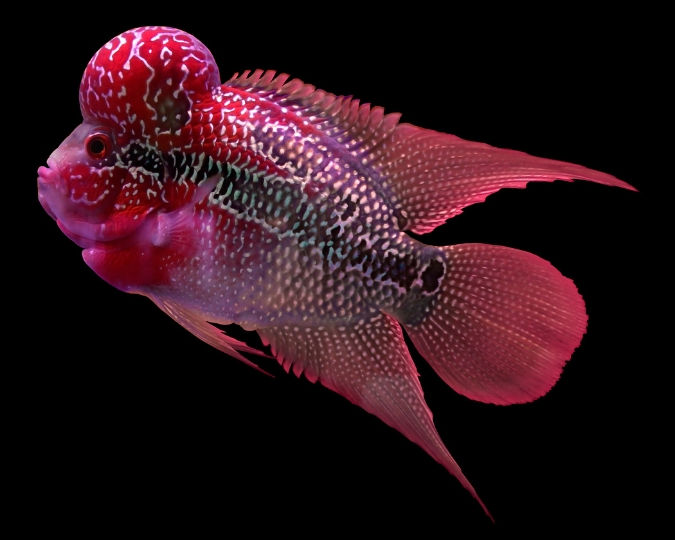
Flowerhorn fish are one of the most popular aquarium fish in the world. They are loved for their bright colors, strong personality, and large head shape. Because Flowerhorns are tropical fish, they enjoy warm water, but summer heat can still be dangerous if not managed properly. High temperatures, low oxygen levels, and fast water changes can easily stress them.
This summer care guide explains how to protect your Flowerhorn fish during hot weather using simple methods that any fish keeper can follow. Proper summer care helps your fish stay active, healthy, and colorful.
1. Understanding Flowerhorn Fish and Summer Stress
Flowerhorn fish are freshwater tropical cichlids. In nature, tropical fish live in warm but stable water. In home aquariums, summer heat can raise water temperature too fast. Sudden temperature increase is one of the biggest threats to Flowerhorn fish.
When water gets too warm, oxygen levels drop. At the same time, waste breaks down faster, which harms water quality. This combination can cause stress, weak immunity, and disease in Flowerhorn fish if not controlled.
2. Ideal Water Temperature for Flowerhorn Fish in Summer

Flowerhorn fish do best in warm water, but there is a safe limit. The ideal summer water temperature is between 27°C and 30°C. This range supports digestion, growth, and color development. When water temperature rises above this level for long periods, Flowerhorns begin to feel stressed.
Extreme heat above 31°C can cause fast breathing, loss of appetite, and weakness. Stable temperature matters more than chasing a perfect number. Daily temperature swings are harmful, even if the temperature stays within the acceptable range.
3. How to Control Aquarium Temperature During Summer?
In summer, tanks heat up quickly due to room temperature, sunlight, and equipment. Placing the aquarium away from windows helps prevent unwanted heat. Direct sunlight should never fall on a Flowerhorn tank, as it raises the temperature fast and encourages algae growth.
Using a thermometer is essential. Checking temperature in the morning and evening helps catch sudden changes early. In very hot regions, aquarium cooling fans or chillers may be required. These tools help keep water cool without sudden drops.
Turning heaters on and off frequently should be avoided. Sudden changes shock fish and weaken their immune system. Slow and steady adjustments are always safer.
4. Water Quality Becomes More Important in Summer

Summer heat speeds up waste breakdown inside the aquarium. Flowerhorn fish produce a lot of waste, which means ammonia can build up quickly. Ammonia and nitrite must always remain at 0, as even small amounts are toxic.
Regular water testing becomes more important during summer. Checking ammonia, nitrite, nitrate, and pH helps prevent hidden problems. The ideal pH range for Flowerhorn fish is slightly acidic to slightly alkaline, usually between 6.5 and 8.0.
Partial water changes help control toxins. Changing around 20 to 30 percent of the water weekly keeps conditions safe. New water should always be close to the tank temperature to avoid shock.
5. Importance of Filtration in Hot Weather
A strong filter is essential for Flowerhorn fish, especially during summer. Filters remove waste, maintain water clarity, and support healthy bacteria. Good filtration keeps the aquarium stable when heat increases bacterial activity.
Filters should be cleaned gently and only when needed. Washing filter media in tank water instead of tap water protects beneficial bacteria. Dirty filters reduce water flow and oxygen, which is dangerous in hot conditions.
6. Oxygen Levels and Aeration in Summer
Warm water holds less oxygen. This means Flowerhorn fish may struggle to breathe if aeration is poor. Low oxygen is a silent danger in summer aquariums.
Surface water movement helps oxygen enter the water. Air stones, sponge filters, or filter outlets aimed toward the surface improve gas exchange. If a Flowerhorn stays near the surface or breathes rapidly, oxygen levels should be checked immediately.
7. Feeding Flowerhorn Fish During Summer

Flowerhorn fish have a strong appetite, but summer feeding must be controlled. High temperatures slow digestion slightly, and overfeeding creates extra waste. Small, controlled meals are safer than large feedings in summer.
High-quality pellets designed for cichlids should be the main diet. Frozen or live foods can be offered occasionally for variety. Feeding two to three small meals a day is enough for adult Flowerhorn fish.
Any food left uneaten after a few minutes should be removed. Leftover food quickly pollutes warm water and leads to ammonia spikes.
Mealworms, superworms, and other live insects can be fed to Flowerhorn fish in summer, but only as occasional treats. They are high in protein and fat, which makes them heavy to digest in warm temperatures and risky if overfed. Excess feeding can cause digestive issues and quickly pollute the water. Offer very small amounts once or twice a week, remove leftovers promptly, and keep high-quality cichlid pellets as the main diet.
8. Common Summer Health Problems in Flowerhorn Fish
Poor summer care often leads to disease. Heat stress weakens immunity and allows bacteria and fungi to attack. Most summer illnesses are caused by poor water quality, not heat alone.
Signs of trouble include fast breathing, faded color, lack of appetite, clamped fins, and unusual hiding. If these signs appear, water parameters should be checked immediately. Clean water and a stable temperature often fix early problems without medicine.
9. Daily Observation Is the Key to Summer Success
Watching your Flowerhorn daily is one of the best care habits. Healthy Flowerhorn fish are active, alert, and responsive. Changes in behavior often appear before visible disease.
Checking temperature, observing breathing speed, and watching feeding behavior helps catch problems early. Early action prevents serious health issues.
10. Tank Size Helps Control Summer Stress

A large tank stays more stable in summer. Flowerhorn fish need space to swim and grow. A minimum tank size of 70 gallons (approx. 265 liters) is recommended for one adult Flowerhorn.
Small tanks heat up faster and lose oxygen quickly. Larger water volume helps maintain stable temperature and better water quality during hot days.
11. Tank Decoration and Layout in Summer
Flowerhorn fish are aggressive and strong. Decorations should be smooth, heavy, and safe. Sharp objects can injure fish when they become more active in warm water.
Open swimming space improves water flow and oxygen circulation. Overcrowded tanks restrict movement and increase stress during summer.
12. Avoiding Temperature Shock During Water Changes
Temperature shock is a common summer mistake. Adding cold water directly into a warm tank can stress or even kill fish. New water must match the aquarium temperature closely.
Slow filling and mixing help prevent sudden temperature drops. Careful water changes protect Flowerhorn fish from unnecessary stress.
13. Algae Growth in Summer Aquariums
Warm water and longer daylight encourage algae growth. Algae itself is not harmful, but heavy growth signals excess nutrients and light.
Reducing light exposure and maintaining regular water changes help control algae. Avoid overfeeding, as leftover food increases nutrient levels in the water.
14. Behavior Changes During Hot Weather
Flowerhorn fish may become more active in warm water, but extreme heat can cause lethargy. A stressed fish may hide, stop eating, or remain near the surface.
Behavior changes are often the first warning sign. Never ignore them. Quick action keeps minor problems from becoming serious.
15. Cleaning Routine for Summer Months
Regular cleaning keeps the tank healthy during summer. Waste should be removed from the substrate, and tank walls can be cleaned during water changes.
Cleaning should be gentle and spread out. Over-cleaning can remove beneficial bacteria and upset water balance.
16. Common Summer Mistakes to Avoid
Many problems happen because of simple mistakes. Overfeeding, skipping water changes, ignoring temperature checks, and poor aeration are the most common errors.
Avoid placing the tank near windows or heat sources. Never assume tropical fish can handle unlimited heat.
Summer does not have to be dangerous for Flowerhorn fish. With stable temperature, clean water, proper oxygen, and careful feeding, Flowerhorns remain healthy and active.
Consistency is the secret to successful summer care. Small daily efforts prevent big problems. A well-maintained aquarium protects your Flowerhorn from heat stress and keeps its colors bright all summer long.
Proper summer care is not difficult, but it requires attention. When done right, your Flowerhorn fish will thrive even in the hottest months.
At Promeal, we know how important it is to give your pets a healthy and varied diet. That’s why we create high-quality, natural pet food to keep them happy and healthy.
Our speciality is premium live and dried insect-based feeds like mealworms, superworms, crickets, roaches, waxworms, and hornworms. These insects are grown on an organic diet, making them a nutritious and tasty treat for your pets.
Check out our "Shop" section to find the perfect food for your pets!


Comments