
Flowerhorn Fish Winter Care Tips for Healthy Growth

Updated: Jan 16

Flowerhorn fish are tropical freshwater fish that need warm and stable water to live a healthy life. During winter, temperature drops can seriously affect Flowerhorn fish health. Many Flowerhorn owners lose their fish in winter because they do not understand proper winter care. Cold water weakens the fish, slows digestion, reduces immunity, and increases disease risk. This winter care guide for Flowerhorn fish will help beginners and experienced keepers protect their fish during cold months.
Flowerhorn fish are man-made hybrid cichlids, created by selectively breeding tropical Central American cichlid species like Red Devil, Midas, and Trimac cichlids. They do not exist in the wild and have no natural winter adaptation. Their parent species live in warm, stable waters and never face cold seasons, which is why Flowerhorn fish are extremely sensitive to temperature drops. This makes proper winter care in aquariums absolutely essential for their survival, health, and vibrant coloration.
Winter care is not optional for Flowerhorn fish. It is essential for survival. With correct temperature control, feeding, water quality, and daily observation, your Flowerhorn fish can stay active, colorful, and stress-free even in winter.
For beginners who want a complete understanding beyond seasonal care, The Ultimate Guide to Flowerhorn Fish Care? explains all the basics in one place.
1. Why Is Winter Dangerous for Flowerhorn Fish?
Flowerhorn fish come from warm tropical regions where water temperature stays stable throughout the year. In-home aquariums, winter brings cold nights and sudden room temperature changes. These changes directly affect aquarium water temperature. Even a small drop can shock the fish.
Cold water slows down the fish’s body functions. Metabolism becomes slow, digestion becomes weak, and immunity drops. When immunity is low, Flowerhorn fish easily catch diseases like white spot, fungal infection, and bacterial problems. Winter stress also causes colour fading and changes in aggressive behaviour.
This is why proper winter care for Flowerhorn fish is critical.
If you are new to this species, Basics About Flowerhorn Fish helps you understand their origin, nature, and sensitivity to temperature changes.
2. Ideal Water Temperature for Flowerhorn Fish in Winter

Temperature control is the most important part of winter care. Flowerhorn fish need warm and stable water.
The ideal winter water temperature for Flowerhorn fish is 25 to 30 degrees Celsius. This range keeps the fish active, helps proper digestion, and supports strong immunity. Water temperature should never fall below 22 degrees Celsius. Below this level, Flowerhorn fish become stressed and weak.
Sudden temperature changes are more harmful than slightly low temperatures. That is why a stable temperature is more important than exact numbers. Always use a thermometer and check water temperature daily, especially in the early morning and late at night.
Maintaining stable temperature becomes easier when you follow the guidelines shared in Perfect Aquarium Setup for Healthy and Vibrant Flowerhorn Fish.
3. Importance of Aquarium Heater in Winter
An aquarium heater is not optional for Flowerhorn fish in winter. It is mandatory. Without a heater, water temperature can drop quickly during night hours.
A good quality heater helps maintain constant warmth. The heater should remain switched on day and night. Turning the heater off at night is one of the biggest mistakes Flowerhorn owners make. Night temperature drops are sudden and dangerous.
Place the heater near the water flow so heat spreads evenly across the tank. Always check the heater's working condition regularly. A malfunctioning heater can cause silent temperature drops. Keeping a backup heater is always a smart decision during winter.
Heater placement and equipment choice are explained in detail in Flowerhorn Fish ka Perfect Aquarium Setup Kaise Karein?.
4. Best Tank Placement During Winter Season

Tank placement plays a big role in winter care. A badly placed aquarium loses heat faster.
Do not place the Flowerhorn tank near windows, doors, cold walls, or under air vents. Cold air drafts directly affect tank temperature. The best location is inside a room where the temperature remains stable throughout the day and night.
You can also insulate the tank by covering the back and sides with foam sheets or thick cardboard. This helps reduce heat loss and keeps water temperature stable for a longer time.
5. Flowerhorn Fish Feeding During Winter
Feeding needs change during winter because temperature affects digestion. When water temperature is warm and stable, Flowerhorn fish digest food properly. When water becomes cold, digestion slows down.
If the water temperature stays above 24°C, you can continue the normal feeding routine. Feed small amounts and observe the fish carefully. If the temperature drops close to 22°C, reduce the food quantity. Overfeeding in winter is very dangerous.
When the water temperature falls too low, undigested food can rot inside the fish's body and pollute the water. This leads to bloating, constipation, and infections. Always feed high-quality Flowerhorn pellets and avoid heavy feeding during cold days.
To choose the right pellets and feeding routine, The Complete Flowerhorn Fish Food Guide: Best Diets for Healthy and Vibrant Fish is a helpful reference.
6. Water Change Rules for Winter Care

Many people avoid water changes in winter because of cold weather. This is a big mistake. Water changes are still very important for Flowerhorn fish health.
Dirty water weakens immunity and increases disease risk. During winter, water changes should be smaller but regular. Change about 15% to 25% of the water weekly. Always make sure the new water temperature matches the tank water temperature.
Never add cold tap water directly into the tank. Sudden cold water shock can kill Flowerhorn fish instantly. Always warm the replacement water before adding it slowly into the aquarium.
7. Maintaining Water Quality in Winter
Good water quality keeps Flowerhorn fish healthy during winter. Even in cold months, waste continues to build up in the tank.
Filtration should run continuously without interruption. Turning off the filter at night reduces oxygen and increases toxins. Clean filter media gently using tank water, not tap water, to protect beneficial bacteria.
Clean water reduces stress, improves color, and prevents diseases. Winter is the time when water quality becomes even more important than in summer.
8. Lighting Schedule During Winter
Winter days are shorter, but Flowerhorn fish still need a regular light cycle. Light helps maintain their natural routine.
Provide about 8 to 10 hours of light daily. Too much light can stress the fish, and too little can disturb its activity pattern. Avoid placing the tank in direct sunlight because it can cause uneven heating during the day and sudden cooling at night.
Stable lighting helps reduce stress and keeps the fish calm and active.
9. Behavior Changes to Watch in Winter
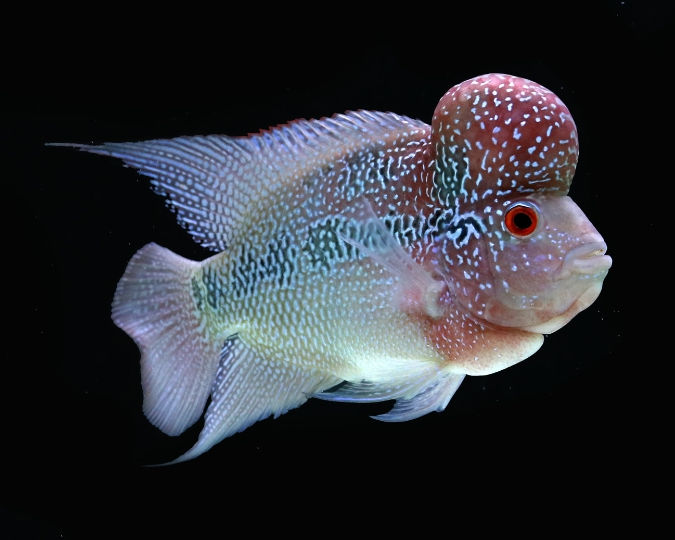
Flowerhorn fish show clear signs when something is wrong. Winter stress often shows through behavior changes.
If your fish stays at the bottom, eats less, hides often, or moves slowly, it usually means the water temperature is too low. Always check the temperature first when behavior changes.
Healthy Flowerhorn fish remain active, responsive, and curious even during winter when the temperature is maintained properly.
10. Common Winter Diseases in Flowerhorn Fish
Winter weakens immunity, making Flowerhorn fish vulnerable to diseases.
White spot disease is very common in winter. It appears as small white dots on the body and fins. Cold stress is the main trigger. Fungal infections also appear when water is cold and dirty. Cotton-like growth on the skin is a warning sign.
Bacterial infections can occur when immunity drops. Symptoms include red patches, fin damage, and loss of appetite. Most winter diseases are caused by poor temperature control and water quality.
Early symptoms and prevention methods are covered in Preventing and Treating Health Issues in Flowerhorn Fish.
11. How to Prevent Winter Stress in Flowerhorn Fish?
Stress is a silent killer. Winter stress slowly damages fish health.
To reduce stress, keep water temperature stable, avoid sudden changes, reduce loud noise near the tank, and avoid unnecessary handling. Do not change the tank setup frequently during winter. Stability makes Flowerhorn fish feel safe.
A stress-free Flowerhorn fish has stronger immunity and better color.
12. Winter Care for Baby and Juvenile Flowerhorn Fish

Young Flowerhorn fish are more sensitive to cold than adults. Even short exposure to cold water can harm them.
Maintain a slightly higher temperature for juveniles. Check the temperature more frequently and feed small amounts regularly. Never expose baby Flowerhorn fish to cold water during cleaning or water changes.
Extra care in early life helps them grow strong and healthy.
If you are raising young fish for future breeding, How to Breed Flowerhorn Fish: A Complete Breeder's Guide explains proper growth-stage care.
13. Power Cut Safety During Winter
Power cuts are dangerous during winter because heaters stop working. Water cools rapidly in cold weather.
During power cuts, cover the tank with thick towels or blankets to reduce heat loss. Avoid opening the tank lid frequently. Insulation helps retain warmth until power returns.
Being prepared for power cuts can save your Flowerhorn fish's life.
14. Do Flowerhorn Fish Hibernate in Winter?
Flowerhorn fish do not hibernate. If your fish becomes inactive, it is not normal behavior. It means the water temperature is too low, or the fish is stressed or sick.
With proper heating, Flowerhorn fish remain active throughout the year.
15. Color Care for Flowerhorn Fish in Winter
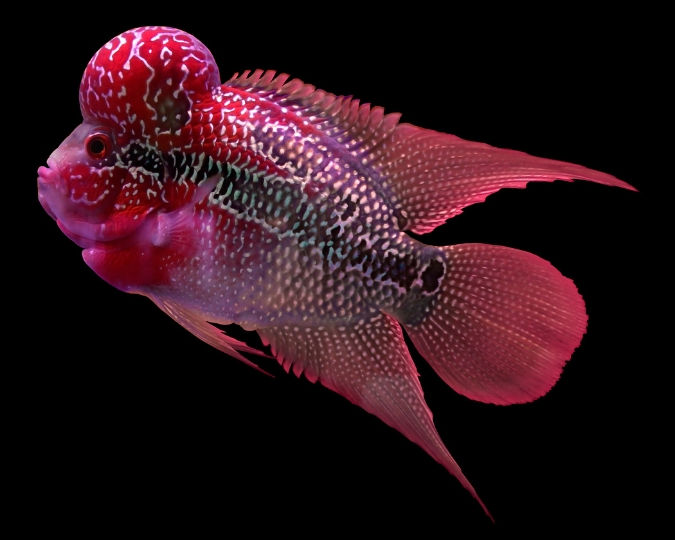
Cold water often causes color fading. Flowerhorn fish show their best color when they feel comfortable and healthy.
Stable warm temperature, clean water, good food, and low stress help maintain bright colors even in winter. Do not expect full color if the water is cold.
Winter care for Flowerhorn fish is all about temperature stability, clean water, correct feeding, and careful observation. Winter is not natural for tropical fish, so your care becomes the key to survival.
When you maintain warm water, avoid sudden changes, keep the tank clean, and feed wisely, your Flowerhorn fish will stay healthy, active, and colorful throughout winter.
For a complete year-round care approach beyond winter, Flowerhorn Fish Ki Care Kese Karein? explains daily maintenance, feeding, and long-term health tips.
At Promeal, we know how important it is to give your pets a healthy and varied diet. That’s why we create high-quality, natural pet food to keep them happy and healthy.
Our speciality is premium live and dried insect-based feeds like mealworms, superworms, crickets, roaches, waxworms, and hornworms. These insects are grown on an organic diet, making them a nutritious and tasty treat for your pets.
Check out our "Shop" section to find the perfect food for your pets!


Comments