
Geese in Monsoon Conditions: Protecting from Wet Ground Infections & Diet Changes
- Sanket Shinde

- Jun 2
- 7 min read

Introduction
Geese in monsoon conditions need special care because rainy weather creates many health problems for waterfowl. Continuous rain, muddy soil, wet bedding, and high humidity increase the risk of infections, parasite attacks, respiratory illness, and foot diseases. Many poultry keepers believe geese can handle unlimited moisture because they enjoy water, but constant exposure to dirty wet ground can seriously affect their health and productivity.
During monsoon season, bacteria and fungi grow much faster inside goose shelters and grazing areas. Wet conditions also change feeding behavior, reduce immunity, and increase stress. If geese do not receive proper nutrition and clean housing during rainy months, they may suffer from weight loss, poor feather quality, infections, and lower egg production.
Proper monsoon management for geese is mainly about keeping the environment clean, reducing excess moisture, and improving diet quality. A healthy flock requires dry resting areas, balanced nutrition, safe drinking water, and regular health monitoring throughout the rainy season.
This complete geese monsoon care guide explains how to prevent wet ground infections, improve feeding practices, manage goose shelters, support breeding health, and protect geese from common rainy season diseases naturally.
Why Monsoon Season Is Dangerous for Geese?

Monsoon weather creates ideal conditions for harmful microorganisms. Wet soil, standing water, muddy grass, and damp bedding allow bacteria and fungus to spread quickly around geese enclosures. Even though geese are water-loving birds, they still require dry resting areas to maintain strong immunity and healthy skin.
One of the biggest problems during rainy weather is constant exposure to wet ground. When geese walk through mud all day, the skin on their feet becomes soft and damaged. This weak skin allows bacteria to enter the body and cause painful infections such as bumblefoot and foot rot.
Humidity is another serious issue during monsoon season. Poor airflow inside shelters traps moisture and creates unhealthy air conditions. Damp environments increase respiratory stress and make geese more vulnerable to disease outbreaks.
Rainy weather also affects natural feeding behavior. Many geese become less active during storms and consume less food. Reduced appetite can weaken the immune system and slow recovery from infections.
Without proper rainy season management, geese can quickly develop health complications that spread across the entire flock.
Common Wet Ground Infections in Geese
Bumblefoot in Geese
Bumblefoot is one of the most common problems seen in geese during wet weather. This bacterial infection develops when damaged foot tissue becomes contaminated by mud and dirty surfaces.
Early symptoms include limping, swelling, redness, and dark scabs on the feet. In severe cases, geese may stop walking properly and spend more time sitting down because of pain.
Wet and dirty ground is one of the biggest causes of bumblefoot. Keeping the enclosure dry is the most effective prevention method.
Foot Rot and Fungal Skin Problems

Constant moisture around the feet and legs creates the perfect environment for fungal growth. Geese living on muddy ground for long periods may develop cracked skin, foul-smelling wounds, and inflamed toes.
Fungal infections spread faster when bedding remains wet for several days. Dirty shelters also increase the risk of secondary bacterial infections.
Replacing wet bedding regularly helps reduce fungal growth and improves overall flock hygiene.
Respiratory Diseases During Rainy Weather
Damp air and poor ventilation increase respiratory problems in geese. Moisture inside enclosed shelters can irritate the breathing system and encourage bacterial growth.
Common symptoms include sneezing, coughing, nasal discharge, open-mouth breathing, and tired behavior.
Fresh airflow is extremely important during monsoon season because high humidity weakens respiratory health.
Parasites and Worm Infections
Rainy conditions encourage the growth of worms, mites, lice, and other harmful parasites. Standing water and wet grazing areas increase contamination risk.
Parasite infections often cause poor growth, weakness, dull feathers, reduced appetite, and digestive problems.
Routine cleaning and deworming are important parts of goose disease prevention during monsoon season.
Signs Your Geese Are Unhealthy During Monsoon

Goose owners should observe their birds carefully during rainy weather because early treatment prevents serious illness.
Geese struggling during monsoon often show signs such as limping, swollen feet, wet feathers, reduced movement, breathing difficulty, weight loss, poor appetite, and isolation from the flock. Some birds may also develop loose droppings or spend excessive time resting.
Healthy geese remain active, alert, and interested in feeding even during rainy conditions.
Geese Diet and Feeding Guide During Monsoon
Why Nutrition Matters During the Rainy Season?
Proper nutrition becomes more important during monsoon months because geese use extra energy to fight stress and infections. Weak diets reduce immunity and make birds more vulnerable to disease outbreaks.
A balanced rainy season diet should provide enough protein, vitamins, minerals, fiber, and clean energy sources. Fresh feed also helps maintain feather quality and body condition.
Best Foods for Geese During Monsoon
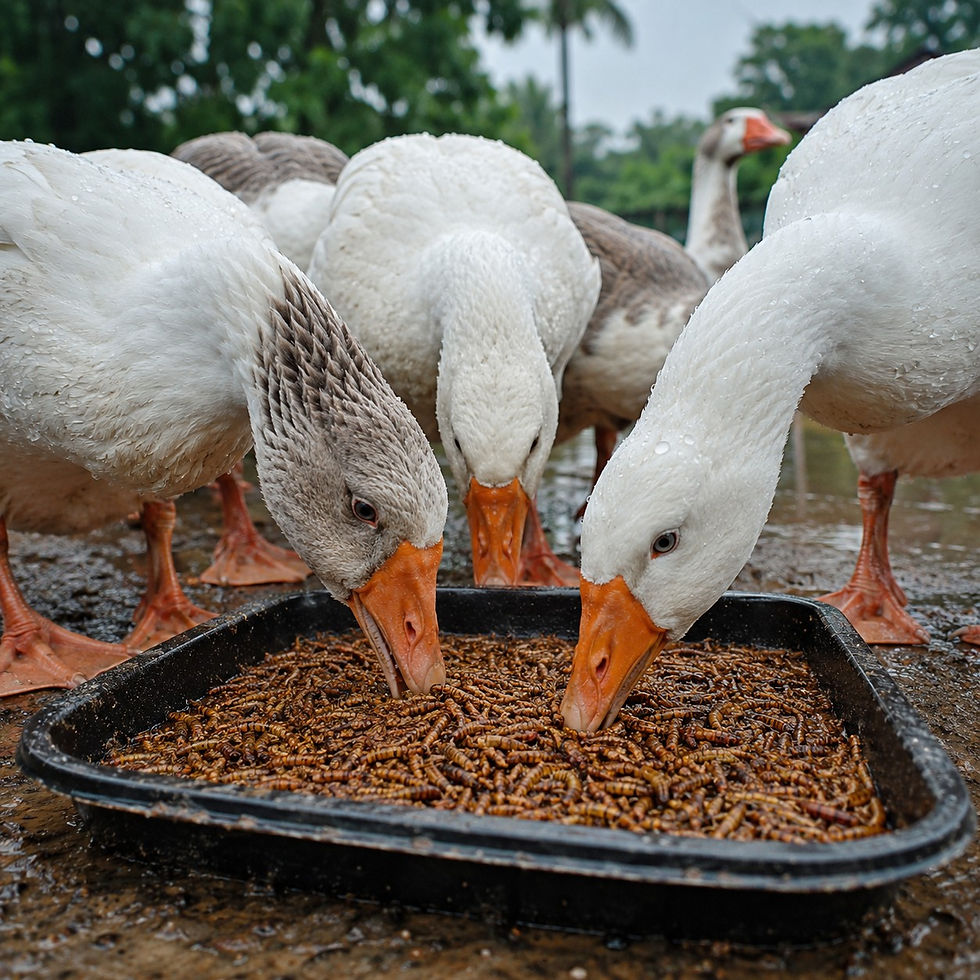
Good feeding practices are essential for maintaining healthy geese during wet weather. Quality waterfowl pellets, grains, fresh grass, and leafy vegetables provide important nutrients that support immunity and digestion.
Whole grains such as oats and corn can help maintain body warmth and energy levels during cool rainy days. Leafy greens provide natural vitamins and improve digestive health.
Feed should always remain dry and clean. Moldy or spoiled grains can cause serious digestive problems and toxin exposure in geese.
Clean feeding management is one of the most important parts of monsoon goose care.
Live Insects for Geese During Rainy Conditions
Many poultry keepers now use live insects as protein supplements for geese during stressful weather conditions. Live insects support energy levels, feather condition, and recovery during periods of reduced appetite.
Mealworms for Geese
Live mealworms are considered the best insect supplement for geese during monsoon season. Mealworms contain good protein levels, moderate fat, and important nutrients that help maintain body condition. They are easy to digest and are widely accepted by most geese.
Mealworms can also encourage feeding activity when birds become inactive during rainy weather.

Superworms for Geese
Superworms contain more fat than mealworms and can provide additional energy during cold rainy periods. However, excessive feeding may lead to unhealthy weight gain.
Superworms should only be given in small amounts as occasional treats.
Crickets for Geese
Crickets provide lean protein and support natural foraging behavior. They are nutritious but require proper storage because wet conditions can quickly spread bacteria among poorly maintained cricket colonies.
Clean feeder insects are always safer for poultry health.
Roaches for Geese
Dubia roaches contain high protein and minerals, but many geese prefer mealworms over roaches. Roaches can still be useful as part of a varied supplemental diet.
Which Live Insect Is Best for Geese?
For most goose owners, live mealworms remain the best overall option during monsoon season because they are nutritious, easy to manage, highly digestible, and safer for regular supplemental feeding compared to larger insects.

Importance of Clean Drinking Water
Dirty drinking water becomes extremely dangerous during monsoon season because bacteria spread rapidly in wet environments. Water containers should be cleaned and refilled daily.
Standing water contaminated with droppings can spread digestive diseases and parasite infections very quickly across the flock.
Fresh and clean water is essential for goose immunity, digestion, and disease prevention.
Best Goose Enclosure Setup During Monsoon
Proper Drainage System
Good drainage is one of the most important parts of geese rainy season management. Water should never collect inside the enclosure because standing mud increases infection risk.
Slightly raised flooring and sloped ground help remove rainwater more effectively.
Dry Bedding Management
Dry bedding protects geese from fungal infections and skin damage. Straw and wood shavings are commonly used because they absorb moisture well.
Wet bedding should be replaced immediately after heavy rain. Leaving damp material inside the shelter encourages bacterial growth.
Ventilation and Airflow
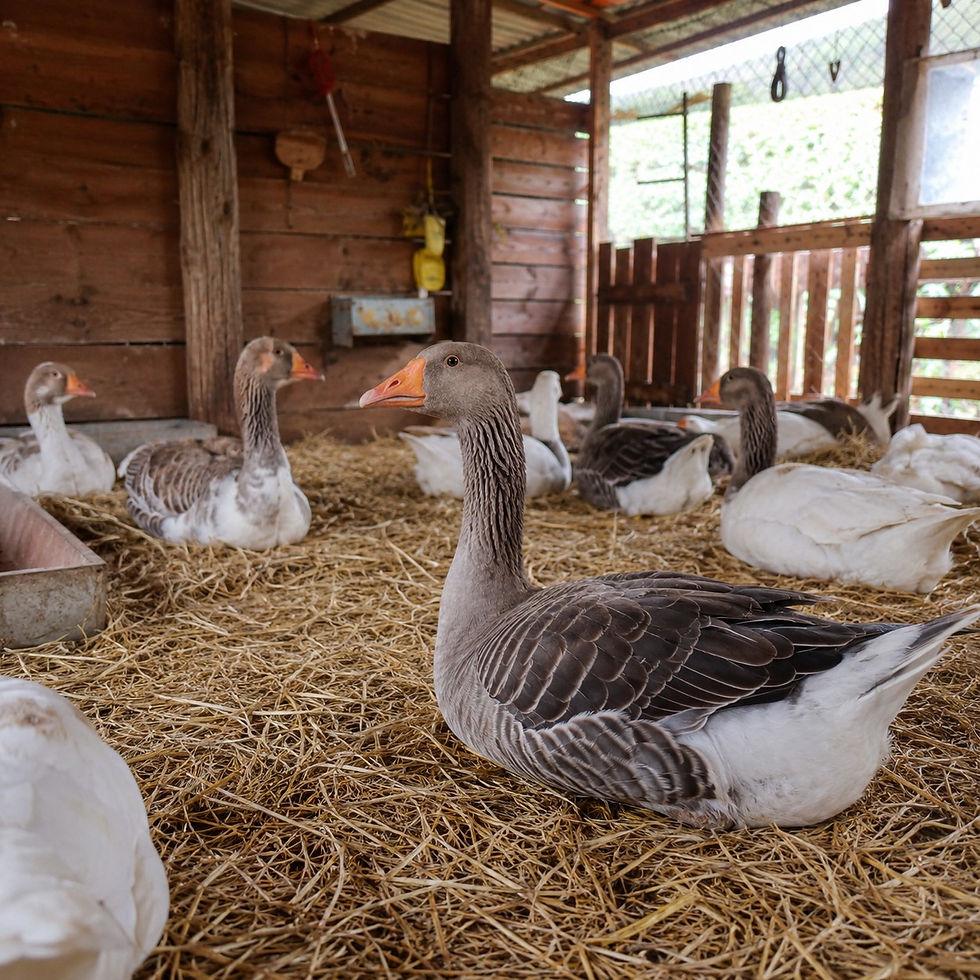
Proper ventilation helps reduce humidity inside goose shelters. Fresh air removes moisture and improves respiratory health.
Shelters should allow airflow while still protecting geese from strong wind and heavy rain.
Feeding Area Protection
Feeders should always stay elevated above muddy surfaces. Rainwater entering feed containers can quickly spoil food and encourage mold growth.
Covered feeding areas help maintain hygiene and reduce waste.
Health Precautions and Disease Prevention
Daily inspection is extremely important during monsoon season. Goose keepers should check the feet, feathers, eyes, and breathing condition of birds regularly.
Any goose showing signs of swelling, wounds, breathing difficulty, or weakness should be separated from the flock immediately. Early treatment reduces infection spread.
Routine parasite control and deworming also support healthier flocks during wet weather.
Prevention is always easier and cheaper than treating severe infections later.
Breeding Geese During Rainy Season
Breeding geese require extra protection during monsoon months because wet nesting areas reduce egg quality and hatchability.
Nests should remain elevated above muddy ground and contain clean dry bedding. Damp nests increase bacterial contamination and may damage eggs.
Goslings are highly sensitive to cold and moisture. Young birds require warm shelters, dry bedding, and balanced nutrition for healthy growth.
Proper hygiene during breeding season improves survival rates and supports stronger gosling development.
Common Mistakes Goose Owners Make During Monsoon

Many goose health problems happen because of poor rainy season management. Some owners allow water to collect inside shelters or fail to replace wet bedding regularly. Others continue feeding spoiled grains without realizing the danger of fungal toxins.
Overcrowded shelters also increase stress and disease spread during humid weather.
Ignoring small foot injuries is another common mistake. Minor cuts can quickly become serious infections when geese walk through muddy ground every day.
Small management mistakes during monsoon season can lead to major health problems very quickly.
Expert Tips for Healthy Geese During Rainy Weather
Maintaining dry resting zones is one of the best ways to protect geese from infections. Even water-loving birds require clean dry areas for sleeping and resting.
Rotating grazing areas helps reduce mud buildup and parasite exposure. Cleaning feeders and drinkers daily improves flock hygiene and reduces bacterial contamination.
Adding occasional live mealworms can help support energy and appetite during stressful rainy periods.
Regular observation is extremely important because early symptoms are easier to treat.

Geese in monsoon conditions require proper shelter, balanced nutrition, clean drinking water, and strong hygiene management to remain healthy throughout the rainy season. Wet ground infections, respiratory diseases, fungal problems, and parasite outbreaks become more common during humid weather, but most of these issues can be prevented with proper daily care.
Dry bedding, good drainage, safe feeding practices, and regular health monitoring are the foundation of successful goose rainy-season care. Live mealworms can also provide valuable protein support during stressful weather when fed in moderation.
With the right monsoon management routine, geese can stay active, healthy, productive, and disease-free even during long periods of heavy rainfall.
Protect your geese this monsoon with clean housing, better nutrition, and daily health monitoring for a stronger and healthier flock.
At Promeal, we know how important it is to give your pets a healthy and varied diet. That’s why we create high-quality, natural pet food to keep them happy and healthy. Our speciality is premium live and dried insect-based feeds like mealworms, superworms, crickets, roaches, waxworms, and hornworms. These insects are grown on an organic diet, making them a nutritious and tasty treat for your pets.
Check out our "Shop" section to find the perfect food for your pets!


Comments