
Complete Angelfish Care Guide for Healthy Aquarium Fish


Angelfish are one of the most iconic freshwater aquarium species, admired for their tall fins, striking color patterns, and graceful gliding movement. Originating from the Amazon River Basin, they thrive in calm, warm waters filled with plants, roots, and hiding spaces. Their beauty and relatively easy care make them extremely popular among new and experienced hobbyists. To help angelfish live a long, healthy, and active life, it’s important to understand their natural habitat, their behaviors, and the correct care practices used by professional aquarists. This guide covers every essential aspect of angelfish care in detail, using easy-to-understand paragraphs. If you're new to this species, read Basics About Angelfish to understand their origin, natural characteristics, and why they are one of the most popular freshwater aquarium fish.
General Habitat in the Wild
In the wild, angelfish inhabit the slow-moving tributaries and flooded forest areas of the Amazon Basin. These waters are warm, soft, and slightly acidic, with thick underwater vegetation and plenty of submerged roots. The water is usually dim due to overhanging trees, creating a calm environment with low currents. The Amazon’s natural blackwater conditions—rich in tannins from decaying leaves—provide ideal conditions for angelfish. Their tall, disk-like bodies evolved specifically to move smoothly between plants and roots. Understanding this natural habitat helps aquarists recreate similar conditions at home to ensure angelfish feel safe and behave naturally.
Natural Behaviors of Angelfish

Angelfish display a range of interesting behaviors when kept in the right environment. They are calm, gliding swimmers, preferring the mid-level of the tank but often exploring all areas when comfortable. They are semi-social and do well in small groups, forming hierarchical structures where dominant individuals claim certain areas. When preparing to breed, a bonded pair becomes territorial and cleans a chosen surface meticulously. Angelfish communicate through body movements and gentle dominance displays rather than aggression. Their behavior becomes most natural when their tank setup includes plants, hiding areas, and stable water conditions—similar to wild Amazon waters.
Tank Setup

A proper tank setup is essential for angelfish health and well-being. Since angelfish grow tall, a minimum of 30 gallons is recommended for a pair, and 55 gallons or more for groups. Use a taller aquarium to provide vertical swimming space for their dorsal and anal fins. The water temperature should stay between 26–29°C, with a pH of 6.5–7.4 and soft to moderately hard water. Filtration should be gentle, as strong currents stress angelfish and damage their fins. A sponge filter or adjustable-flow canister filter works best.Decorate the tank to resemble their natural Amazon habitat: use Amazon swords, Vallisneria, Anubias, driftwood, and smooth rocks. Keep the center open for swimming while surrounding areas have plants for shelter. Moderate lighting supports plant growth without causing stress. Weekly 25–30% water changes maintain water quality and prevent disease. A well-designed tank not only keeps angelfish healthy but also brings out their natural behavior and color. For a more detailed walkthrough on aquarium equipment, aquascaping, filtration, and water parameters, read Angelfish Tank Setup Guide: Perfect Aquarium Kaise Banayein?
Diet & Feeding Behavior

Angelfish are omnivores, and a varied diet is important for growth, coloration, and immunity. In the wild, they consume small insects, insect larvae, crustaceans, and plant matter. In captivity, their diet should include a high-quality pellet or flake food as the main staple. Supplement this with protein-rich treats such as dried mealworms, black soldier fly larvae, brine shrimp, bloodworms, and daphnia. These foods mimic the insect-based nutrition angelfish naturally receive in the Amazon forest. Offer them vegetables like blanched peas or spinach occasionally for fiber. Feed twice a day for adults and three small meals for juveniles. Avoid overfeeding, as leftover food pollutes the water and leads to bloating or swim bladder issues. A nutrient-rich, varied diet ensures vibrant colors, healthy fins, and active behavior.
Health & Common Diseases
Angelfish generally stay healthy when kept in clean, stable water, but they can suffer from several common diseases if stressed or kept in poor conditions. Ich (white spot disease) is one of the most frequent issues, appearing as tiny white dots on the fins and body. Fin rot occurs in dirty tanks or when angelfish experience fin nipping. Hole-in-the-head disease, often linked to poor nutrition or activated carbon overuse, leads to pitting around the head region. Internal parasites may cause weight loss, stringy feces, or lack of appetite. Preventing these diseases requires maintaining high water quality, feeding a balanced diet, and avoiding sudden changes in water parameters. Quarantining new fish for 10–14 days prevents infections from entering the main aquarium. Observing angelfish daily for changes in appetite, color, or swimming patterns helps detect health problems early and ensures timely treatment. Learn how to recognize early warning signs and prevent common illnesses in Angelfish Health Guide: Diseases, Symptoms aur Prevention.
Breeding Angelfish

Breeding angelfish is both fascinating and rewarding. A healthy, bonded pair begins by selecting a flat surface—such as a breeding slate, broad leaf, or even the aquarium glass—and carefully cleaning it for egg-laying. In a 20–30 gallon breeding tank, raise the temperature to 28–29°C to encourage spawning. The female lays rows of sticky eggs, which the male fertilizes immediately. Parents usually guard and fan the eggs to keep them oxygenated and free of fungus. Eggs hatch in 2–3 days, and the fry begin free-swimming after about a week. Feed baby angelfish with freshly hatched brine shrimp, microworms, or liquid fry food. Clean, warm water and minimal disturbance significantly improve fry survival rates. As they grow, they gradually transition to crushed flakes and micro-pellets.
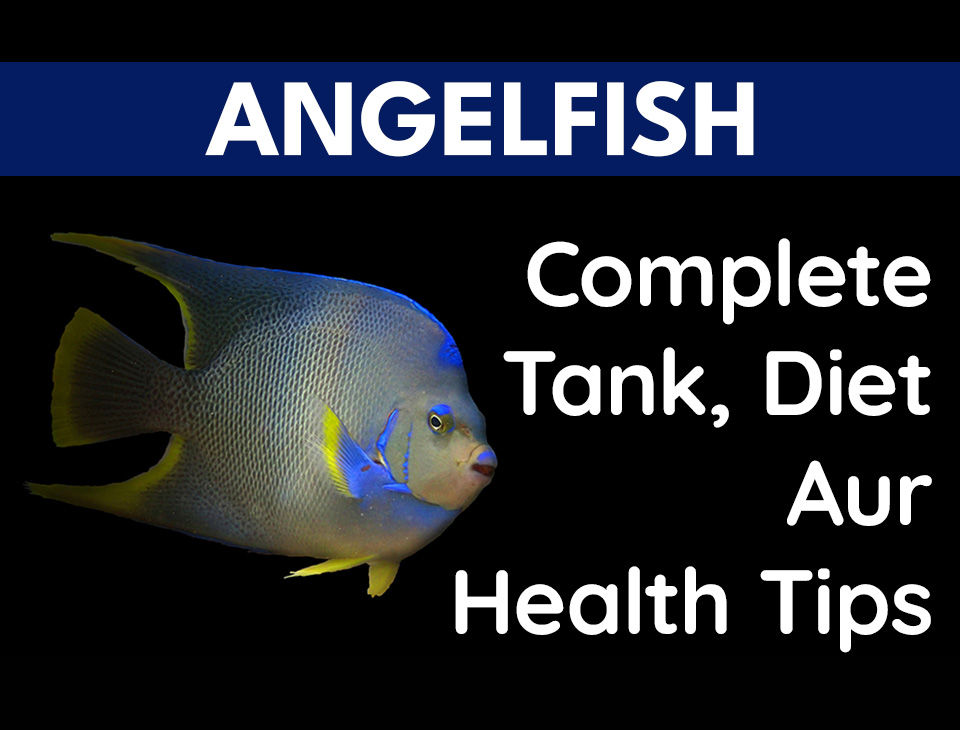
Angelfish are extraordinary aquarium fish that reward their keepers with beauty, personality, and fascinating behaviors. By recreating their natural Amazon habitat, maintaining stable water conditions, offering a varied and nutritious diet, and choosing peaceful tank mates, you can help them live long and healthy lives. Understanding their wild behaviors, feeding needs, health concerns, and breeding habits allows you to care for them like a true aquarist. With proper care and attention, angelfish can live for many years and become the shimmering centerpiece of any aquarium. For an all-in-one resource covering tank setup, feeding, health, and daily maintenance, explore Angelfish Care Guide: Complete Tank, Diet Aur Health Tips.
At Promeal, we know how important it is to give your pets a healthy and varied diet. That’s why we create high-quality, natural pet food to keep them happy and healthy.
Our speciality is premium live and dried insect-based feeds like mealworms, superworms, crickets, roaches, waxworms, and hornworms. These insects are grown on an organic diet, making them a nutritious and tasty treat for your pets.
Check out our "Shop" section to find the perfect food for your pets!


Comments