
Angelfish Tank Setup: How to Set Up a Tank for Angelfish?


Angelfish are among the most distinguished and visually striking freshwater species kept in home aquariums. Native to the calm, warm, and plant-rich waters of the Amazon Basin, they are naturally adapted to glide gracefully through dense vegetation and slow-moving currents. Their tall fins, elegant body shape, and serene temperament have made them a preferred choice for aquarists seeking both beauty and personality in their tanks. To ensure these fish remain healthy and vibrant in captivity, it is essential to recreate the environmental conditions they experience in the wild. Providing the correct space, maintaining stable water parameters, using gentle filtration, and designing a structured aquascape are all key factors that contribute to their long-term well-being. When these elements are carefully considered, angelfish can thrive, display their full coloration, and exhibit natural behaviors that enhance the overall harmony of the aquarium. If you're new to this species, start with Basics About Angelfish to understand their natural habitat, behavior, and unique characteristics before setting up an aquarium.
Choosing the Right Tank Size

The first and most important step in setting up an angelfish tank is selecting the correct tank size. Unlike many other freshwater fish, angelfish grow tall, not long, meaning they require extra vertical space for their long dorsal and anal fins. A minimum of 30 gallons (approx 113 liter) is recommended for a pair, while groups of four to six angels should be housed in a 55-gallon (approx. 200 liter) or larger aquarium. A taller tank is always better because it allows proper fin development and reduces stress. Larger tanks are also easier to maintain, provide more stability in water parameters, and help prevent territorial disputes as angelfish mature and claim their personal zones in the aquarium.
Maintaining Ideal Water Parameters

Angelfish originate from the warm, soft, slightly acidic waters of the Amazon River system. To recreate this environment at home, maintain a stable temperature between 26–29°C, which supports their immune system and keeps metabolic functions normal. The best pH range is 6.5–7.4, with soft to moderately hard water. Water stability is more important than absolute perfection; sudden changes in temperature or pH can cause angelfish to become stressed, weaken their immunity, or develop diseases. Testing water regularly using a liquid test kit ensures the tank remains safe. Ammonia and nitrite levels must always be zero, while nitrates should be kept low through regular water changes.
Filtration and Water Flow
Angelfish naturally live in calm, slow-moving waters where strong currents are rare. In an aquarium, you must provide filtration that cleans the water efficiently without creating fast flow. Sponge filters are an excellent choice because they offer strong biological filtration and a gentle water output. Canister filters are also ideal as long as the flow is adjustable or directed toward a tank wall to reduce intensity. Avoid using power filters or wavemakers that create harsh currents, as angelfish may struggle to swim, and their delicate fins can tear. A properly selected filter ensures the tank stays clean, oxygenated, and safe for angelfish to thrive.
Aquascaping: Plants, Hardscape & Layout
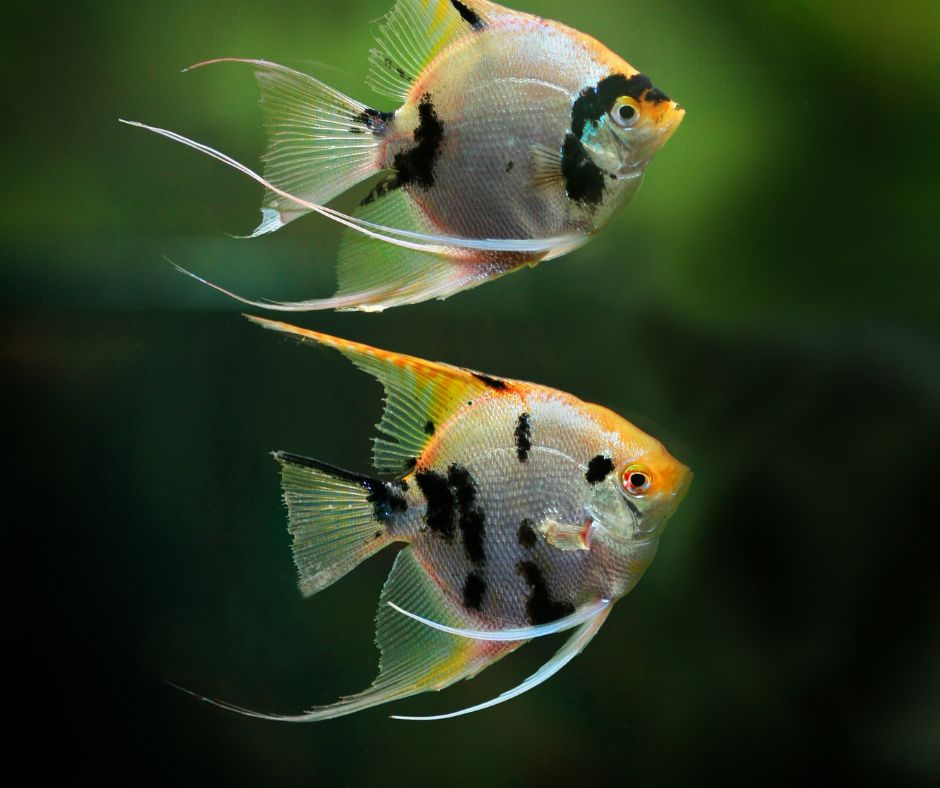
A well-designed aquascape not only makes the tank visually beautiful but also helps angelfish feel secure. Tall live plants such as Amazon swords, Vallisneria, and Anubias mimic their natural environment and provide cover from bright lighting. Driftwood branches, smooth stones, and natural roots help create territories and shaded resting areas. Angelfish appreciate a tank that is structured around the edges, while the center area is kept open for gliding and free swimming. Live plants also improve water quality by absorbing nitrates and creating a more balanced ecosystem. A natural-looking, Amazon-style layout encourages angelfish to display their calm, confident behavior. Understanding the natural habitat of angelfish helps you create a more suitable aquarium. Read Basics About Angelfish for more insights.
Choosing the Right Substrate
Although angelfish are not bottom dwellers, the substrate plays an important role in creating a stable and natural environment. Soft sand or smooth gravel works best, as it resembles the riverbeds of the Amazon Basin. Darker substrate colors bring out the fish’s natural colors and reduce stress by making the aquarium look more natural. The substrate also supports plant growth if you plan to keep rooted plants. A good substrate helps maintain stability in the tank and allows easy cleaning during routine maintenance.
Lighting Requirements

Angelfish thrive under moderate lighting that mimics the shaded, filtered sunlight of the Amazon forest canopy. Excessive light can cause stress, make colors fade, and encourage algae growth, while too little light impacts plant development. LED aquarium lights with adjustable brightness are ideal because they allow you to set the perfect light level. Aim for 8–10 hours of light per day to maintain a healthy day–night cycle. Providing tall plants and driftwood branches helps create natural shadows, giving angelfish comfortable zones to rest during bright periods. Proper lighting helps reduce stress and supports overall health. Learn more in Angelfish Health, Diseases, and Prevention Guide.
Adding a Heater & Thermometer
Because angelfish require consistently warm water, a reliable heater is essential. Choose a heater appropriate for your tank size to maintain stable temperatures without fluctuations. Even slight temperature drops can cause stress or illness in angelfish. A digital thermometer helps track the water temperature accurately, ensuring it always stays within the correct range. Position the heater near the filter outlet for even heat distribution throughout the tank.
Cycling the Aquarium (Nitrogen Cycle)
Before adding angelfish to the tank, it's crucial to complete the Nitrogen Cycle, which builds beneficial bacteria that convert harmful ammonia into safer compounds. Cycling the tank usually takes 2–4 weeks. During this time, run the filter, heater, and lights as normal while adding beneficial bacteria supplements to speed up the process. Test the water regularly and wait until ammonia and nitrite reach 0 ppm before introducing fish. Skipping the cycling process is one of the biggest causes of angelfish stress, fin damage, and death in new tanks. A properly cycled aquarium is the foundation of healthy fishkeeping. Angelfish Care Guide: Complete Tank, Diet Aur Health Tips covers additional maintenance practices.
Introducing Angelfish Safely

After the tank is cycled and stable, angelfish should be introduced slowly to prevent shock. Float the fish bag in the tank for 15–20 minutes to match the temperature. Then, gradually mix small amounts of tank water into the bag to equalize pH and hardness. Use a net to transfer the fish into the tank—never pour store-bought water into your aquarium. Keep the lights dim on the first day to reduce stress and allow them to explore their new environment calmly.
Regular Maintenance and Care
A well-set-up angelfish tank still requires regular care to stay healthy. Perform 25–30% weekly water changes to remove waste and toxins. During maintenance, gently clean the glass, trim plants, remove uneaten food, and check filter function. Every month, rinse filter media in old tank water—not tap water—to preserve beneficial bacteria. Consistent maintenance ensures stable conditions, which is the key to keeping angelfish disease-free and active for many years.
Setting up a tank for angelfish involves understanding their natural Amazon habitat and recreating it carefully in your aquarium. From choosing the right tank size and maintaining warm, calm water to using proper filtration and natural aquascaping, every step contributes to their long-term health and beautiful behavior. With stable water, gentle flow, nutritious food, and a clean environment, angelfish thrive, grow, and display their full elegance. A properly set angelfish tank becomes the calm and stunning centerpiece of your home. A healthy aquarium should always be paired with proper nutrition. Learn more in What Do Angelfish Eat? Complete Feeding Guide for Healthy, Vibrant Angelfish.
At Promeal, we know how important it is to give your pets a healthy and varied diet. That’s why we create high-quality, natural pet food to keep them happy and healthy.
Our speciality is premium live and dried insect-based feeds like mealworms, superworms, crickets, roaches, waxworms, and hornworms. These insects are grown on an organic diet, making them a nutritious and tasty treat for your pets.
Check out our "Shop" section to find the perfect food for your pets!


Comments