
How to Rescue a Bulbul Bird ?– Feeding, Care & Release Guide

Finding a baby bulbul on the ground can be confusing. Is it really abandoned, or just learning to fly? Acting too soon may harm it, while waiting too long can be risky. This guide explains exactly when to rescue a bulbul and how to care for it—from safe shelter and feeding to first aid and release.
Understanding When a Bulbul Needs Rescue
Not every bulbul chick you find on the ground actually needs rescuing. Sometimes they are simply learning to fly, and their parents are still nearby feeding and protecting them. Knowing the difference between a hatchling, a fledgling, and an injured bird is the key to making the right decision.
Hatchlings (Featherless, Eyes Closed) – Always Need Help
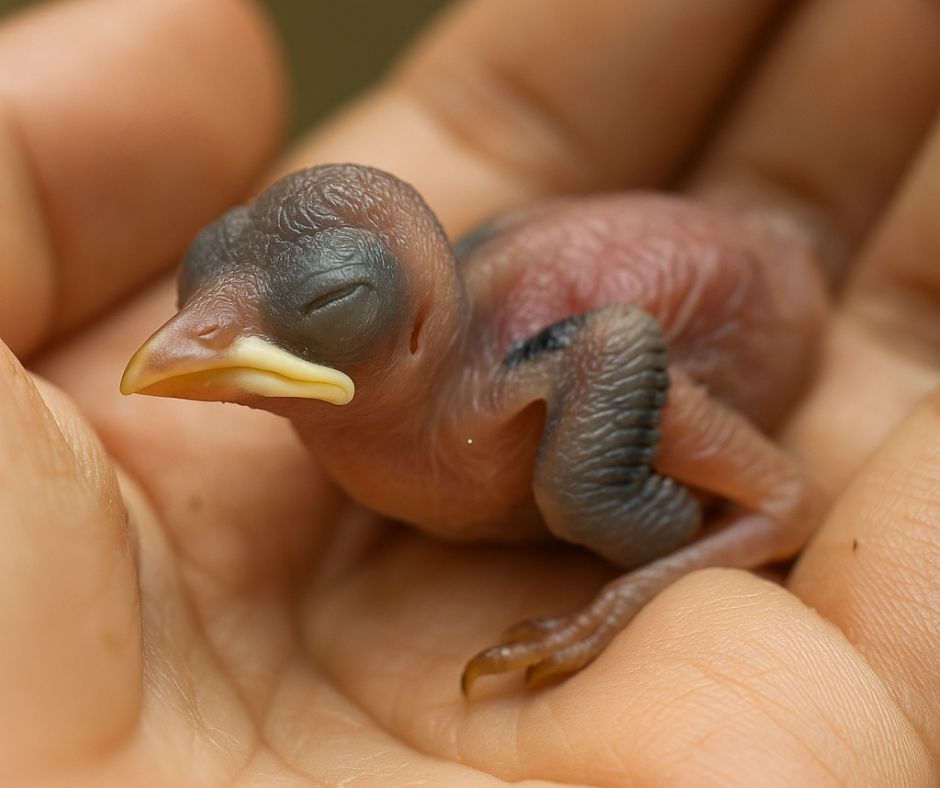
Hatchlings are very young chicks with no feathers, closed eyes, and very weak bodies.
They cannot keep warm, eat on their own, or protect themselves.
If you find a hatchling out of the nest, it will not survive without rescue and care.
These chicks need immediate help, warmth, and feeding support.
Fledglings (Feathered, Hopping on Ground) – Usually Do NOT Need Rescue
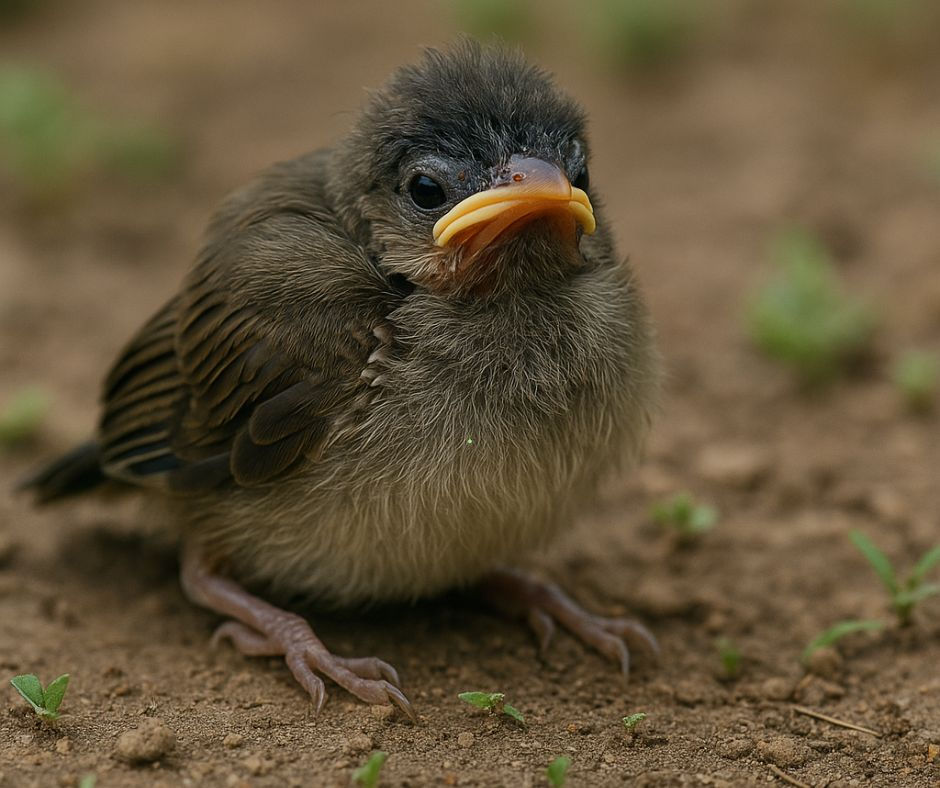
Fledglings look like small, fluffy versions of adult bulbuls. They have feathers, bright eyes, and can hop or flutter short distances.
It’s normal to see fledglings on the ground while they are learning to fly.
The parents continue to feed and protect them, even if they look alone.
Unless they are in danger, fledglings should be left where they are.
Injured or in Danger – Needs Rescue
If a bulbul chick or adult shows visible injuries or is in a dangerous spot, intervention is necessary.
Signs: broken wings, bleeding, weakness, trouble breathing.
Danger zones: near roads, predators (cats/dogs), or harsh weather.
In such cases, carefully move the bird to a safe box and seek vet help if needed.
Expert Tip: Always observe from a distance before picking up a bulbul chick. If parents are nearby and the bird is a fledgling, it’s best to let nature take its course. Rescue only if it’s a hatchling, clearly injured, or in immediate danger.
Setting Up a Safe Temporary Home
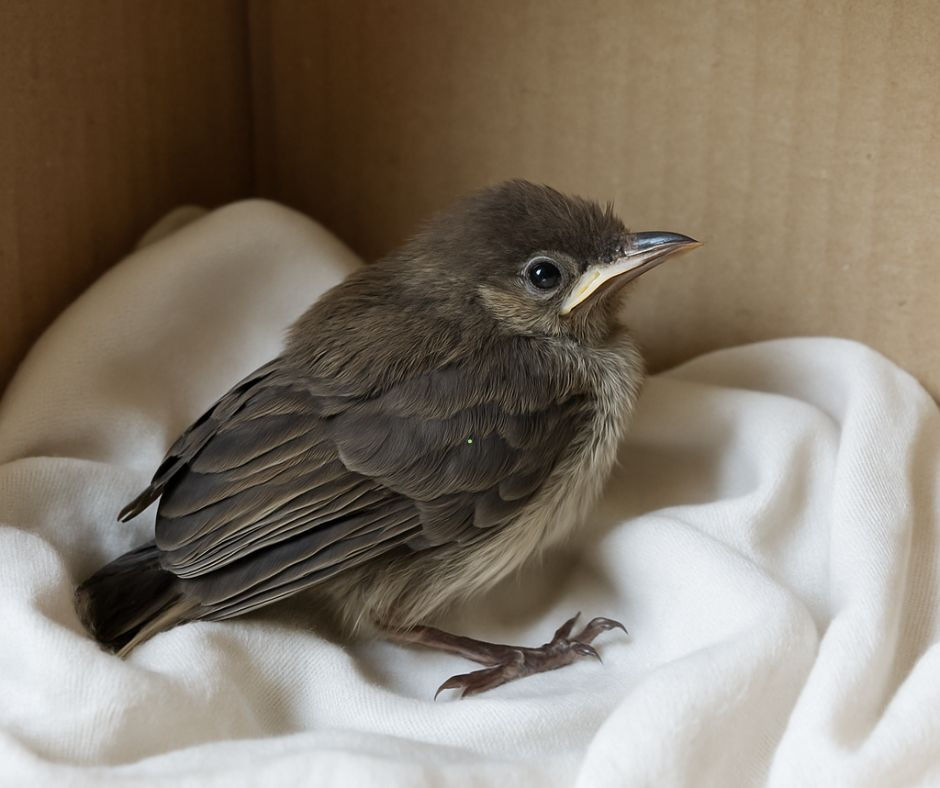
Once you’ve confirmed that a bulbul chick truly needs help, the first step is to create a safe and stress-free temporary home. A proper setup gives the chick warmth, comfort, and protection, just like a natural nest.
Choosing the Right Container
The container should make the chick feel secure while keeping it safe from harm.
Cardboard Box: The best option for immediate rescue—dark, quiet, and calming.
Wicker Basket: Works well if lined with soft cloth, but should be covered partly to prevent drafts.
Small Pet Cage: Suitable for older chicks (fledglings) that can hop and perch. Avoid cages with wide bars to prevent injuries.
Tip: The container should be just big enough for the chick to sit and turn—too much space can make it feel exposed and stressed.
Bedding & Ventilation
Comfortable bedding keeps the bird warm and safe from sores or infections.
Best bedding: Soft cotton cloths, tissue paper, or old towels.
Avoid: Hay, straw, or synthetic fibers that can tangle around legs or cause breathing problems.
Replace bedding daily to keep the space clean and hygienic.
Ventilation is equally important:
If using a box, poke small air holes for airflow.
Keep the box in a quiet, shaded area, away from direct sun, fans, or air conditioners.
Maintaining Warmth (bulbul hatchling temperature care)
Baby bulbuls, especially hatchlings with no feathers, cannot control their own body temperature. Without warmth, they may weaken and die quickly.
Place a heating pad under half of the box (not directly under the chick). This allows the bird to move to a cooler side if it gets too warm.
Alternatively, use a warm water bottle wrapped in cloth placed beside the chick.
Pro tip: Always test the bedding with your hand—warm, but never hot. Overheating can be as dangerous as chilling.
Expert Tip: Think of the box as a temporary nest—it should be warm, dark, soft, and quiet. The simpler and safer the setup, the better the chances of survival until the chick is ready to eat and grow stronger.
Feeding a Rescue Bulbul

Feeding is the most important part of caring for a rescued bulbul bird. These chicks grow very fast, and without the right food, they cannot survive. The best way to keep them healthy is to copy their natural wild diet—a mix of insects, fruits, and soft foods that their parents usually provide.
What Do Bulbuls Eat in the Wild?
In nature, bulbuls are omnivores. They eat insects such as ants, caterpillars, beetles, and grasshoppers. They also enjoy ripe fruits like papaya, figs, berries, and bananas. Some species sip nectar from flowers for quick energy. Understanding this diet helps us select the right foods for rescued chicks.
Insects – Essential Protein
Protein is vital for feather growth and strength. Offer mealworms, crickets, small caterpillars, or ants’ eggs. Soft-bodied insects are best for baby chicks since they’re easy to digest.
ProMeal’s live and dried mealworms are an excellent choice—organic, safe, and packed with nutrition.
Fruits – Natural Vitamins & Hydration
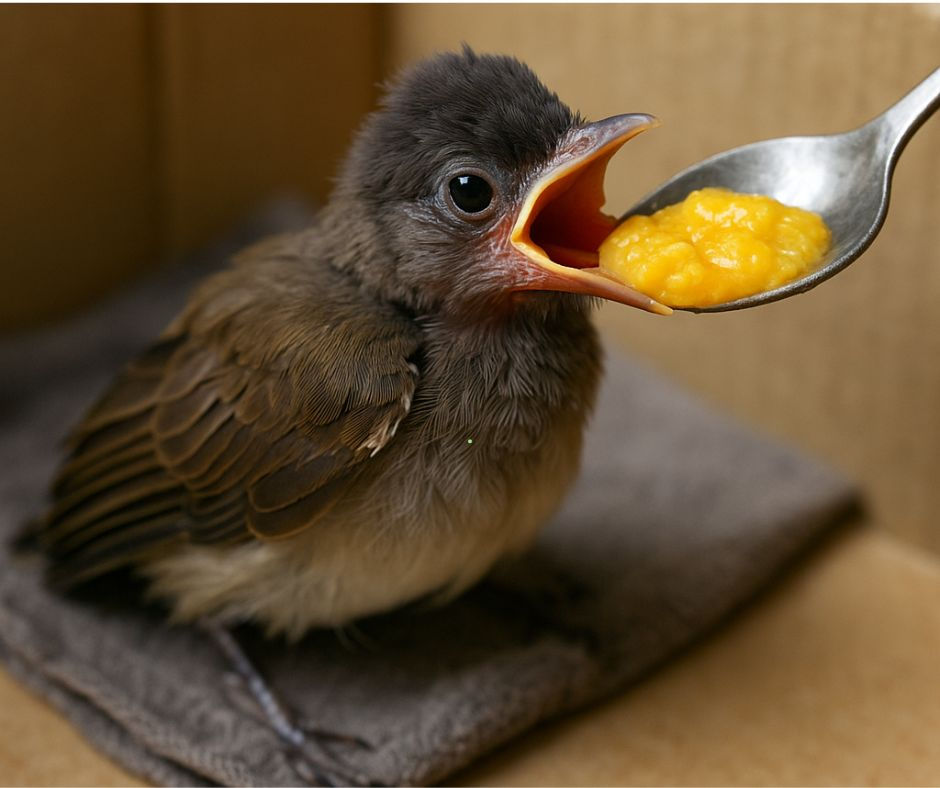
Soft, ripe fruits like banana, papaya, mango, and berries provide vitamins, energy, and water. Always mash or finely chop fruits to ensure the chick can swallow safely.
Hand-Rearing Formula
If insects aren’t available, you can use a softbill bird hand-rearing formula. Mix into a smooth paste and feed with a syringe or spoon. This should only be a backup, not a replacement for natural foods.
Feeding Frequency
Hatchlings (0–1 week): Every 20–30 minutes during daylight.
Nestlings (1–3 weeks): Every 1–2 hours.
Fledglings (3+ weeks): 3–4 times daily. Encourage self-feeding at this stage to prepare for release.
Water & Hygiene
Baby bulbuls can’t drink from bowls like adults.
For hatchlings/nestlings: Use a damp cotton bud or syringe to place drops near the beak.
For fledglings: Provide a shallow dish of clean water.Always wash feeding tools and remove leftovers quickly to prevent infections.
Expert Tip: Think of yourself as a temporary parent. Your job is not only to keep the bulbul alive but to help it grow strong, independent, and ready for the wild. A protein-rich diet (like ProMeal’s mealworms) combined with fruits and proper care is the fastest way to recovery.
Health & First Aid for Baby Bulbuls
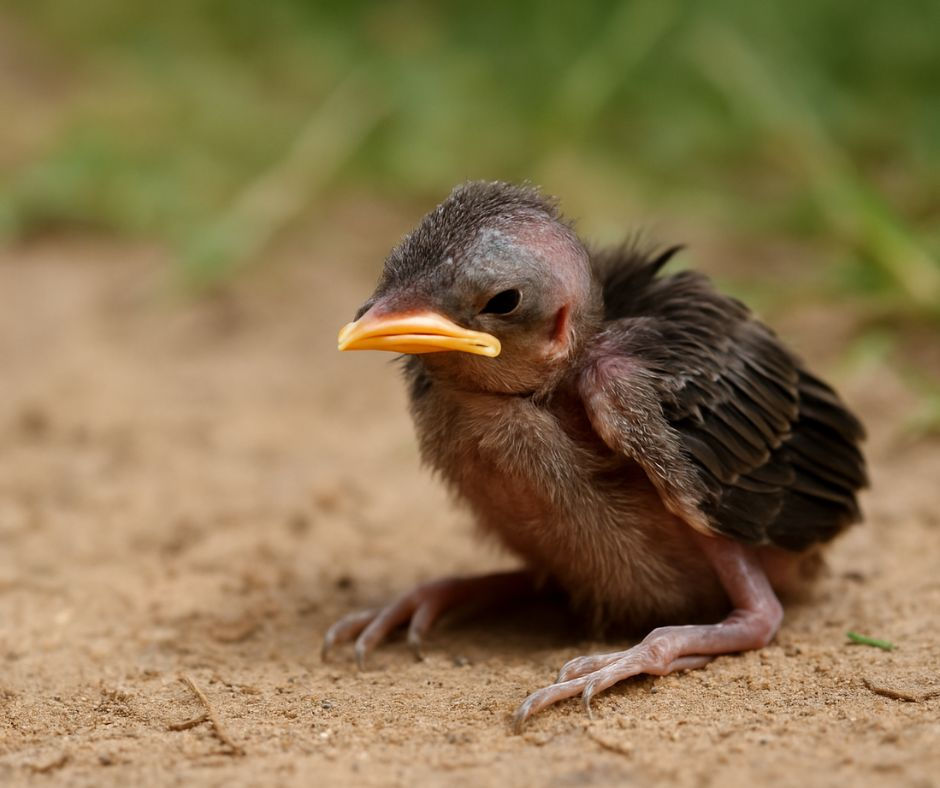
When rescuing a bulbul, food and shelter are not the only priorities. Many rescued chicks may be injured, weak, or dehydrated, and knowing how to give quick first aid care can save their lives. A calm, safe environment and timely action are the first steps to rehabilitate a bulbul nestling.
Common Injuries in Rescued Bulbuls
Bulbuls often get hurt by falling from nests, predator attacks, or window collisions. Some common injuries include:
Wing or leg fractures – the bird cannot fly or limps with drooping wings.
Bleeding wounds – cuts and scratches from cats, dogs, or sharp objects.
Dehydration or exhaustion – the bulbul appears weak, sleepy, or keeps its eyes closed.
Recognizing these early signs helps you decide whether home first aid is enough or if you need a vet.
First Aid Basics for Bulbuls
Immediate first aid can stabilize the bird until professional help is available:
Quiet environment – Place the bulbul in a dark cardboard box to reduce stress.
Warmth – Keep the bird warm with a heating pad under one side of the box or a wrapped hot water bottle.
Stop minor bleeding – Apply gentle pressure on small wounds with a soft, clean cloth or sterile gauze.
Avoid over-handling – Stress can worsen the condition, so handle the bird only when absolutely necessary.
These simple steps can make a big difference when trying to rehabilitate a bulbul chick.
When to Contact a Vet
Some cases go beyond basic care and require an avian veterinarian:
Heavy bleeding that doesn’t stop after gentle pressure.
Broken bones or wings bent unnaturally.
Head trauma – bird seems unbalanced, keeps falling, or shows head tilt.
Refusal to eat or drink for more than 12 hours.
Labored breathing or puffed-up feathers for a long time.
A vet has the right treatment and medicines to ensure the bird’s survival. Trying to medicate the bird yourself may cause more harm than good.
Expert Tip: Your role is to stabilize the bulbul and prevent further harm. Never use human medicines or random antibiotics. Always seek professional avian care if the condition is serious.
Socialization & Growth Of Chick Bulbul
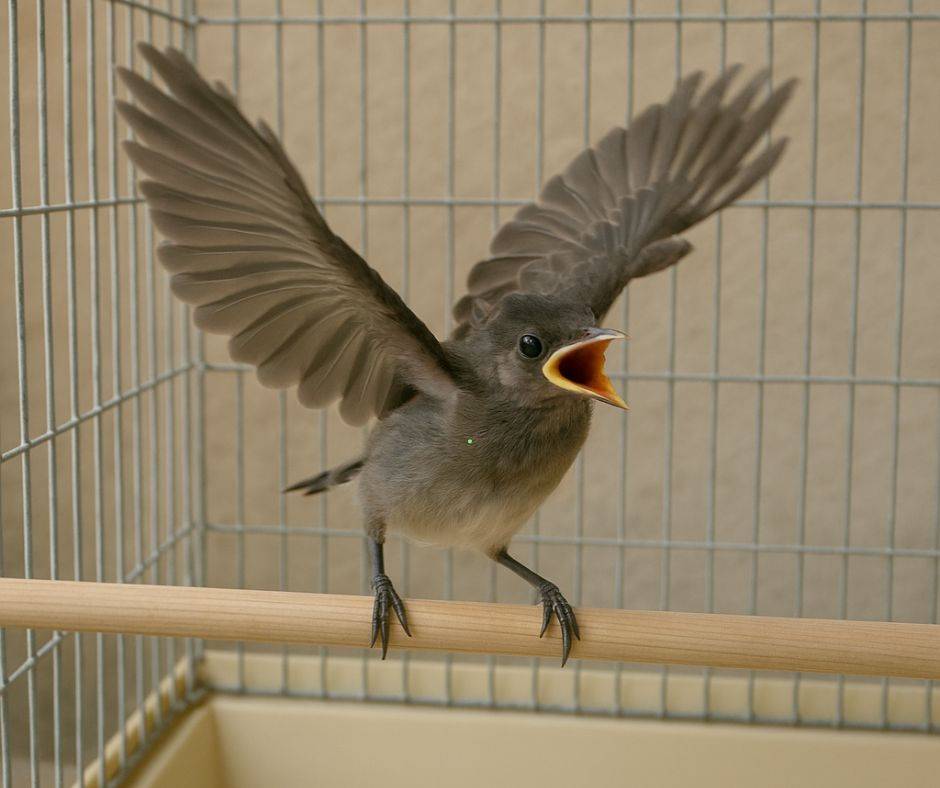
A rescued bulbul doesn’t just need food and warmth—it also needs the right environment to grow strong and prepare for survival. Proper socialization helps the bird stay healthy, avoid stress, and develop the skills it needs for eventual release.
Handling with Care
Bulbuls are delicate and can get stressed easily. Always keep handling to a minimum, using soft, clean hands or cloth only during feeding. Over-handling can cause fear, exhaustion, or dependency on humans. Your goal is to keep the bird safe and comfortable—not to tame it as a pet.
Avoiding Stress
Stress is one of the biggest risks in bird rescue. To keep your bulbul calm and healthy:
Place its box or cage in a quiet, shaded area away from pets, children, and loud noises.
Cover part of the cage with a light cloth so it feels hidden and secure.
Limit human interaction to essential care only.
A calm environment ensures better growth and recovery.
Building Strength
As the bulbul grows, it needs opportunities to exercise and practice natural behaviors:
Add small perches inside the cage so it can hop, balance, and strengthen its legs.
Allow supervised outdoor time in a safe, enclosed space where it can flutter and stretch its wings.
Provide early morning or late afternoon sunlight to support Vitamin D absorption, which is vital for bone strength.
This gradual exposure helps the bird build confidence and prepare for life in the wild.
Expert Tip: Think of yourself as a temporary caretaker. Your job is to help the bulbul develop independence, not dependency, so it can eventually thrive outside.
Preparing for Release or Rehoming
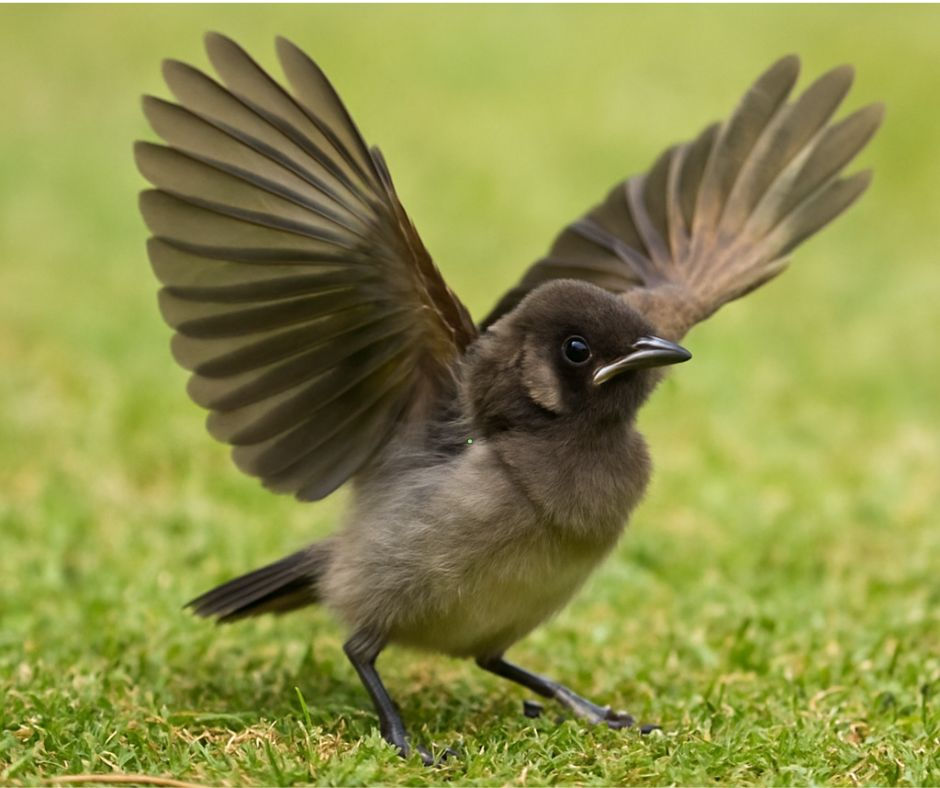
The ultimate goal of rescuing a bulbul is to help it live freely again in its natural environment. However, timing is critical. Knowing when to release rehabilitated bulbul chicks ensures their survival, while alternatives like rehab centers or sanctuaries provide safe care if release isn’t possible.
Signs of Readiness for Release
A bulbul should only be released when it shows clear signs of independence:
Strong flight: Can fly steadily, not just hop or flutter.
Self-feeding: Eats insects, fruits, and soft foods on its own.
Alert & active: Bright eyes, responsive to sounds, and curious.
Natural fear of humans: Avoids constant human contact, which is essential for survival in the wild.
If any of these traits are missing, it’s best to wait longer before release.
Soft-Release Methods
The safest way to help a bulbul adjust to the wild is through a soft release:
Outdoor acclimatization: Place the bulbul in a cage outside for a few days so it can get used to sounds, weather, and other birds.
Gradual release: Open the cage in a safe green area and let the bulbul fly out on its own terms.
Supplemental feeding: Leave food (mealworms, fruits) nearby for the first week, so it can adapt without going hungry.
Observation: Watch from a distance to ensure it integrates safely with other bulbuls.
Alternatives if Release Isn’t Possible
Sometimes a bulbul cannot return to the wild due to injuries, illness, or human dependency. In such cases:
Rehabilitation centers provide long-term expert care.
Wildlife sanctuaries allow birds to live safely in semi-natural enclosures.
Responsible foster caregivers can provide a safe home if no rehab option is available.
Keeping a bulbul as a pet should only be considered if it’s legal in your region and the bird cannot survive in the wild.
Expert Tip: Releasing a bulbul too early can put it in danger, while keeping a healthy one captive can harm its natural instincts. Always balance timing, health, and safety when deciding on release or rehoming.
Rescuing a bulbul is a beautiful act of kindness, but it also comes with responsibility. Not every chick on the ground needs saving—sometimes, they are just learning to fly under their parents’ care. Always observe carefully before intervening, and when rescue is truly necessary, provide the right food, warmth, and a safe environment.
Your goal should always be to help the bulbul grow strong and return to nature, not to keep it as a pet. By acting responsibly, you give the bird its best chance at survival and freedom.
FAQs About Rescuing a Bulbul Bird
What do you feed a rescued baby bulbul?
Mealworms, insects, and soft fruits like banana or papaya.
How often should you feed a baby bulbul?
Every 20–30 mins (hatchlings), 1–2 hrs (nestlings), 3–4 times daily (fledglings).
Can a bulbul chick survive without parents?
Yes, but only with human care or in a rehab center.
How do you keep a rescued bulbul warm?
Use a soft-lined box with a heating pad or warm water bottle.
Is it legal to keep a rescued bulbul bird?
No, long-term keeping is illegal—release or hand to rehab.
Want the healthiest diet for your rescued bulbul? Explore ProMeal’s live mealworms—100% organic, protein-rich, and perfect for supporting fast growth and recovery in rescued chicks.


Comments