
Indian Star Tortoise Breeding Guide: Eggs, Incubation & Baby Care

Updated: Jan 7
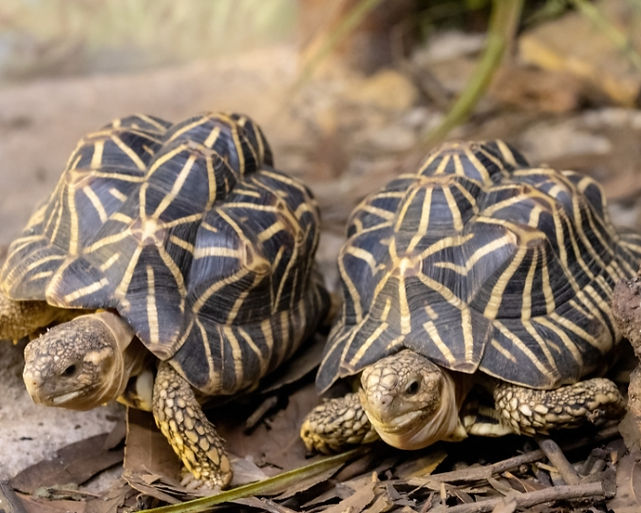
Indian star tortoises are a protected species in India and many other regions. They are listed under wildlife protection laws, which means capturing, selling, breeding, or trading them without legal permission is illegal. These laws exist to protect the species from exploitation and population decline.
This guide is purely informational and educational. It explains natural breeding behavior and biological processes so people can understand the species better. It does not encourage illegal breeding or ownership.
Breeding Indian star tortoises without proper legal approval and professional knowledge can result in legal punishment and harm to the animals. Ethical responsibility and wildlife protection must always come first.
1. Male vs Female Identification

Correctly identifying male and female Indian star tortoises is important to understanding their natural behavior. However, gender identification is not easy in young tortoises. Clear differences usually appear only when they reach maturity.
Adult male Indian star tortoises generally have longer and thicker tails. The tail is more prominent and curves outward. Females have shorter and smaller tails that stay closer to the body.
The shell shape also helps in identification. Males usually have a slightly concave plastron, which helps during mating. Females have a flatter plastron to support egg carrying.
Size difference is another clue. Females are usually larger and heavier than males. This extra size allows them to carry and lay eggs safely. These differences become clearer only after several years of growth. Many physical differences become visible only after maturity, which is clearly detailed in Indian Star Tortoise Lifespan, Size & Growth Stages Explained.
2. Breeding Season and Behavior

Indian star tortoises follow natural seasonal breeding patterns. In the wild, breeding activity usually increases after seasonal changes that bring warmth and humidity. These environmental cues signal suitable conditions for reproduction.
During the breeding season, male tortoises show noticeable behavioral changes. They become more active and may follow the female closely. Males may gently bump or circle the female as part of courtship behavior.
Females may respond by moving away or allowing the male to mount. This behavior is natural and instinct-driven. Breeding attempts can occur multiple times during the season.
Stress, improper temperature, or poor health can completely stop breeding behavior. This is why breeding does not happen easily in captivity without carefully controlled conditions. Stress is a major reason breeding behavior stops, and its triggers are explained in Signs of Stress in Indian Star Tortoises and Their Causes.
3. Egg-Laying Process

After successful mating, the female Indian star tortoise begins preparing to lay eggs. This process does not happen immediately and may take several weeks.
When ready, the female looks for a suitable nesting spot. She prefers quiet, warm, and soft soil where she can dig comfortably. Using her back legs, she digs a deep nest hole with great effort and patience.
The number of eggs varies depending on the size and health of the female. Typically, a clutch contains a small number of eggs, not dozens. The eggs are oval, white, and fragile.
Once the eggs are laid, the female carefully covers the nest with soil and leaves. After this, she provides no parental care. From this point, survival depends entirely on environmental conditions.
4. Incubation Basics

Incubation is one of the most sensitive stages in Indian star tortoise breeding. Temperature and humidity play a critical role in embryo development.
Eggs require stable warmth to develop properly. Temperatures that are too low slow development, while temperatures that are too high can kill the embryos. Sudden temperature changes are especially dangerous.
Humidity is equally important. Proper moisture prevents the eggs from drying out or collapsing. Too much moisture, however, can cause mold and bacterial growth.
The incubation period is long and requires patience. Hatching does not happen quickly, and disturbing the eggs during this time can lead to failure. This stage requires experience, consistency, and constant monitoring.
5. Baby Star Tortoise Care

Baby Indian star tortoises are extremely delicate. The first few months of life are the most dangerous, with a high risk of dehydration, infection, and stress.
Newly hatched tortoises are small and weak. Their shells are soft and still developing. They lose moisture quickly, which makes hydration a top priority.
Warmth is essential for digestion and immunity. Cold conditions can quickly lead to illness or death. Gentle warmth and stable temperature help babies stay active and feed properly.
Feeding must be appropriate and simple. Baby tortoises eat small amounts and need easily digestible, natural foods. Overfeeding or the wrong food causes serious health problems.
Hydration is critical. Babies absorb moisture through soaking and humidity more than direct drinking. Without proper hydration, baby tortoises weaken rapidly. Proper hydration methods for young tortoises are covered in Do Indian Star Tortoises Drink Water? Bathing & Hydration Guide.
6. Feeding Care for Breeding Tortoises
Feeding is very important during the breeding period of Indian star tortoises. Females need proper nutrition because egg development uses a lot of energy and minerals. Without the right diet, females may produce weak eggs or face serious health problems. Males also need balanced feeding to stay active and healthy during the breeding season.

Calcium plays a key role during this time, as it helps form strong eggshells and protects the female’s body from weakness. Proper hydration is also essential because dehydration can affect digestion, egg formation, and overall health. Moisture through soaking and correct humidity supports natural body functions. Choosing appropriate natural foods is easier with guidance from Star Tortoise Ko Kya Khilayein?.
Overfeeding or an incorrect diet should be avoided. Too much food or poor nutrition can lead to obesity, stress, and reduced breeding success. Balanced feeding supports health but does not remove the legal and ethical risks of breeding a protected species, which must always be respected.
7. Why Breeding Is Risky Without Expertise
Breeding Indian star tortoises is high-risk, even for experienced keepers. Egg failure, weak hatchlings, and early mortality are very common without expert knowledge.
Improper incubation leads to deformities, failed hatching, or embryo death. Incorrect baby care causes dehydration, infections, and slow growth.
There are also serious legal risks. Breeding a protected species without authorization can result in fines, confiscation, and legal action.
Most importantly, irresponsible breeding harms the species. High mortality and poor care reduce animal welfare and contribute to long-term population damage.
Breeding should never be attempted casually. Without proper training, legal permission, and ethical responsibility, breeding does more harm than good.
Indian star tortoise breeding is a complex and sensitive process that requires deep knowledge, stable conditions, and legal awareness. From identifying males and females to egg laying, incubation, and baby care, every stage carries a significant risk. Because Indian star tortoises are legally protected and biologically delicate, breeding should be left to authorized conservation programs and experienced professionals. Casual or illegal breeding leads to suffering, high mortality, and legal trouble.
Understanding the breeding process helps people respect the species and make informed, responsible decisions. Protection, education, and ethical care are the true ways to ensure the survival of Indian star tortoises. For overall ethical handling and daily care practices, refer to How to Care for Your Indian Star Tortoise.
At Promeal, we know how important it is to give your pets a healthy and varied diet. That’s why we create high-quality, natural pet food to keep them happy and healthy.
Our speciality is premium live and dried insect-based feeds like mealworms, superworms, crickets, roaches, waxworms, and hornworms. These insects are grown on an organic diet, making them a nutritious and tasty treat for your pets.
Check out our "Shop" section to find the perfect food for your pets!


Comments