
Marmoset Monkey Summer Care Guide for Heat Relief and Nutrition

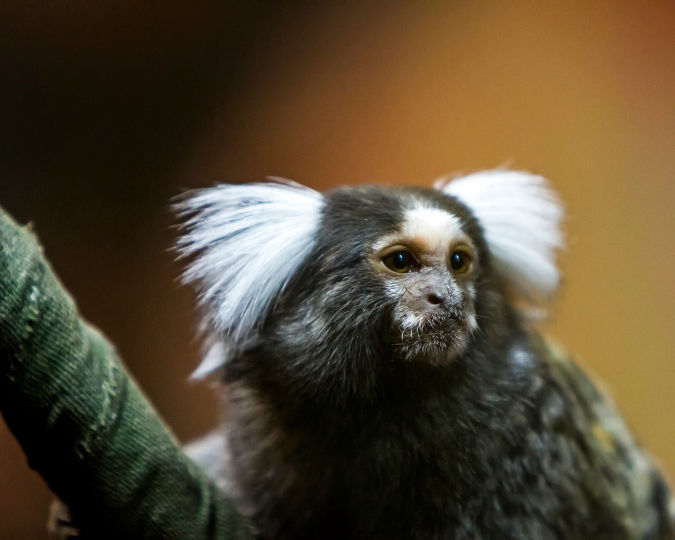
The Marmoset monkey summer care guide for heat relief and nutrition is very important for keeping these small primates healthy during hot months. Marmosets are sensitive animals that react quickly to changes in temperature, food quality, and water availability. Summer heat can cause stress, dehydration, and poor appetite if care is not adjusted properly.
Marmosets naturally live in warm forest areas, but they are protected by shade, humidity, and constant access to fresh food. In captivity, these natural conditions must be carefully recreated. High heat without proper cooling and nutrition can seriously affect their health.
This guide is written using full real-world primate care knowledge and accepted captive husbandry practices. The language is very simple, so beginners can follow it easily, while intermediate caretakers can refine their summer care routine. The focus is on heat relief and proper nutrition, which are the two most important areas during summer. For a complete overview of daily management, housing, and seasonal care requirements, read Marmoset Monkey Ki Care Kese Karein?
Why Summer Heat Is Dangerous for Marmosets?

Marmosets have small bodies and fast metabolisms. This makes them more sensitive to heat than larger animals. During summer, high temperatures can raise body heat quickly and cause discomfort. Heat stress can lead to dehydration, weakness, loss of appetite, and behavior changes. Marmosets may become inactive, irritable, or isolate themselves when they feel too hot. Prolonged heat stress can weaken the immune system, making them more likely to fall sick.
Unlike wild marmosets, captive marmosets cannot move freely to cooler forest areas. They depend fully on their caretaker to provide shade, ventilation, and cooling. This makes summer care extremely important.
Ideal Summer Temperature and Environment
Maintaining the right temperature is a key part of marmoset summer care. Marmosets prefer warm conditions, but extreme heat is harmful. Indoor enclosures should stay within a comfortable warm range. Sudden changes in temperature should always be avoided. Rapid cooling or heating can shock the animal and cause stress.
Good airflow is necessary, but direct cold air should never blow on the marmoset. Fans or air conditioning should cool the room, not the animal directly. Shade is very important. If the enclosure receives sunlight, shaded areas must be provided so the marmoset can move away from heat. Direct sunlight exposure for long periods should always be avoided. To better understand marmoset behavior, housing needs, and captive care requirements, see Pet Marmoset Monkey Care and Facts.
Heat Relief Methods That Are Safe
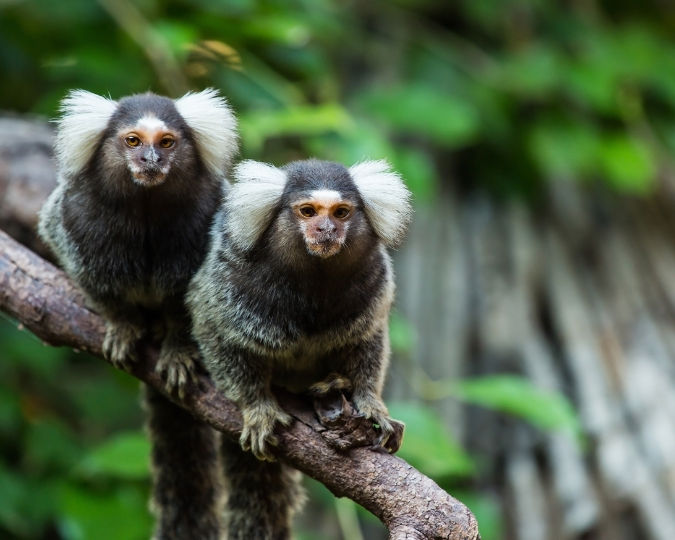
Safe heat relief helps marmosets stay calm and active during summer. Cooling methods should always be gentle and gradual.
Providing shaded resting areas helps lower body temperature naturally. Enclosure materials should not trap heat. Cool surfaces and shaded platforms help marmosets rest comfortably.
Fresh drinking water must always be available. Water bowls should be cleaned and refilled daily. In hot weather, water may need to be changed more than once. Light misting of the surrounding area can help increase comfort, but marmosets should never be sprayed directly. Cooling should focus on the environment, not the animal.
Summer Food and Nutrition for Marmosets
Food plays a major role in summer care. Heat affects digestion and appetite, so diet must be adjusted carefully. Marmosets need fresh, balanced food every day. Fruits with high water content help support hydration during summer. Vegetables provide fiber and important nutrients that support digestion.
Protein remains essential even in hot weather. Insects, eggs, or formulated primate diets support muscle and energy needs. Lack of protein can cause weakness and weight loss.
Food must always be fresh. Spoiled food grows bacteria quickly in heat and can cause stomach infections. Uneaten food should be removed within a short time.
Smaller, more frequent meals are better in summer. This reduces waste and helps marmosets eat comfortably without stress.
Live insects like crickets, mealworms, and superworms can be given to marmoset monkeys in summer in small amounts. Insects are a natural protein source, but summer heat can slow digestion. Crickets are easier to digest, while mealworms and superworms should be given only occasionally because they are high in fat. All insects must be clean and chemical-free. Overfeeding insects in summer can cause stomach problems, so moderation is important. Understanding natural feeding behavior can help improve captive nutrition. Learn more in Marmoset Monkey Diet Guide: Wild Feeding Habits Aur Captivity Mein Unki Proper Diet.
Summer Nutrition Needs of Marmosets

Nutrition plays a very important role in summer health. During hot weather, digestion slows down and appetite may reduce.
Marmosets need a balanced diet that supports hydration and energy. Fresh fruits with high water content help maintain hydration. Vegetables also support digestion and nutrient balance.
Protein sources remain important even in summer. However, food should always be fresh and clean. Spoiled food can cause serious stomach problems, especially in heat. Feeding smaller portions more frequently can help reduce waste and encourage eating. Food should be removed if not eaten within a short time to prevent bacterial growth.
Water Intake and Hydration Support
Hydration is one of the most critical parts of summer care. Marmosets lose water faster in hot weather.
Clean drinking water must always be accessible. Water containers should be placed in shaded areas to prevent warming. Warm water discourages drinking and increases dehydration risk.
Some fruits naturally support hydration, but they should never replace water. Water remains the main source of hydration and should never be restricted. Signs of dehydration include dry mouth, low energy, and reduced urination. These signs should never be ignored. Hydration is only one part of seasonal management. Marmoset Monkey Summer Care Guide: Heat Relief Aur Proper Nutrition covers additional summer care practices in detail.
Behavior Changes and Stress Signs in Summer

Marmosets may behave differently during summer. Reduced activity, increased sleeping, or staying in shaded areas are common.
Loss of appetite, aggression, or vocal distress can be signs of discomfort. Behavior changes often appear before physical illness, so close observation is important. If a marmoset avoids food or water for long periods, it may be suffering from heat stress. Environmental conditions should be checked immediately. Early detection of stress allows quick correction and prevents serious problems.
Hygiene and Disease Prevention in Hot Weather
Summer heat increases the risk of bacterial growth. Cleanliness becomes even more important during this season.
Food bowls should be washed daily. Leftover food must be removed quickly. Water containers should never be allowed to grow algae or dirt. Enclosures should be cleaned regularly without using harsh chemicals. Strong chemical smells can irritate marmosets and cause breathing issues.
Good hygiene reduces disease risk and supports overall health during summer.
Daily Monitoring and Routine Care
Daily monitoring is the key to successful marmoset summer care. Temperature, food intake, water intake, and behavior should be checked every day. Small changes should be corrected early. Waiting too long can lead to bigger health issues. Routine care provides comfort and stability. Marmosets feel secure when their environment remains predictable.
Consistency is more important than frequent changes. Monitoring feeding response is an important part of routine care, especially when offering live feeders. Learn more in The Role of Insects in a Marmoset Monkey’s Diet.
Long-Term Summer Care Success
Long-term summer care success depends on planning and observation. Preparing for heat before summer begins reduces stress later. Adjustments should be slow and gentle. Sudden changes in enclosure, diet, or routine should always be avoided.
A stable environment helps marmosets stay healthy, active, and mentally relaxed even during hot months.
Marmoset monkey summer care guide for heat relief and nutrition is essential for keeping these intelligent primates healthy and comfortable. Summer heat can be dangerous, but with proper care, risks can be reduced.
Providing shade, maintaining safe temperatures, offering clean water, and adjusting nutrition helps marmosets cope with hot weather. Heat relief and proper diet are the foundation of summer health.
With daily attention and simple care steps, marmosets can remain active, stress free, and healthy throughout summer. For additional seasonal management tips and preventive care strategies, explore Marmoset Monkey Summer Care Guide: Heat Relief Aur Proper Nutrition.
At Promeal, we know how important it is to give your pets a healthy and varied diet. That’s why we create high-quality, natural pet food to keep them happy and healthy. Our speciality is premium live and dried insect-based feeds like mealworms, superworms, crickets, roaches, waxworms, and hornworms. These insects are grown on an organic diet, making them a nutritious and tasty treat for your pets.
Check out our "Shop" section to find the perfect food for your pets!


Comments