
Shingleback Lizard Diseases and Treatment Guide for Pet Owners

Updated: Apr 15
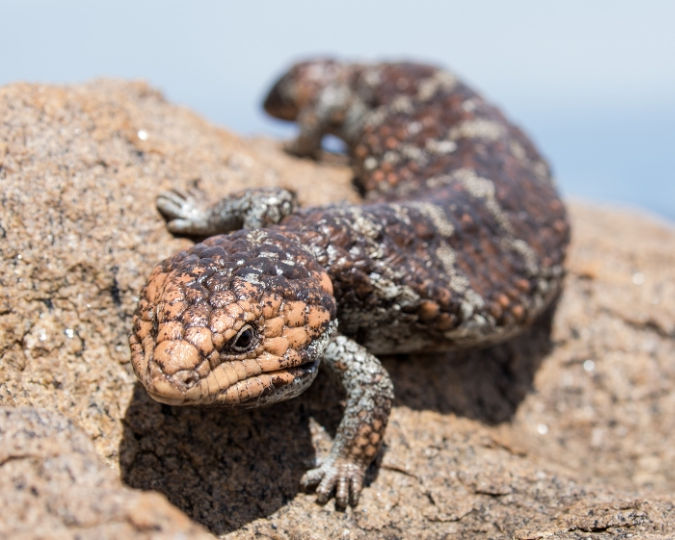
The shingleback lizard health problems guide helps reptile keepers understand the most common illnesses that can affect this species. Shingleback lizards are known for being hardy and long-living reptiles, but they can still develop health problems if their environment, diet, or care routine is not correct.
These reptiles come from dry regions of Australia, where they live in warm environments with natural sunlight and varied food sources. When they are kept in captivity, their enclosure must provide the same basic conditions. If the temperature, lighting, or diet is incorrect, health issues may begin to appear.
Many reptile illnesses develop slowly. This is why it is very important for owners to watch their lizards carefully and notice any changes in behavior, appetite, or physical appearance. Early detection makes treatment easier and helps prevent serious complications.
This shingleback lizard health problems guide explains the most common diseases affecting this species, including metabolic bone disease, respiratory infections, parasites, shedding problems, and obesity. It also explains how to recognize warning signs and when veterinary care is necessary.
With proper care, correct temperatures, and a balanced diet, most health problems can be prevented, and shingleback lizards can live long and healthy lives. To understand complete daily care and habitat needs, refer to Shingleback Lizard Care Guide for Beginners and Daily Care.
Common Health Problems in Shingleback Lizards

Like many reptiles, shingleback lizards may develop health issues if their environment does not meet their needs. Most problems occur because of improper diet, incorrect temperatures, lack of UVB lighting, or poor enclosure hygiene.
Reptiles are very good at hiding illness, which means that symptoms may not appear until a condition becomes serious. Because of this, reptile keepers must monitor their animals closely.
Some early warning signs that may indicate shingleback lizard health problems include reduced appetite, unusual weight loss, swelling in the body, difficulty moving, breathing problems, and changes in skin condition.
Other signs may include lethargy, unusual aggression, or spending too much time hiding. These changes can signal that the reptile is not feeling well.
Observing a reptile daily helps owners recognize these changes early and take action before the condition becomes severe.
Metabolic Bone Disease
One of the most serious shingleback lizard health problems is metabolic bone disease. This condition affects the bones and is commonly caused by nutritional deficiencies.
Metabolic bone disease usually develops when the reptile does not receive enough calcium, vitamin D3, or UVB lighting. Without these nutrients and proper lighting, the body cannot absorb calcium correctly.
Over time, the bones become weak and soft. This can cause serious deformities and movement problems.
Common symptoms include weak limbs, swollen joints, tremors, and difficulty walking. In advanced cases, the jaw may become soft and the reptile may struggle to support its body weight.
Preventing this disease is much easier than treating it. A balanced diet that includes calcium-rich foods and proper UVB lighting is essential for bone health.
Calcium supplements can also be added to food to ensure the reptile receives enough nutrients for healthy bone development. A proper nutrition plan is key to prevention, and you can follow Shingleback Lizard Diet and Feeding Guide for Long Term Health for guidance.
Respiratory Infections

Respiratory infections are another common health problem that can affect shingleback lizards.
These infections often occur when the enclosure temperature is too low or when humidity levels are too high. Reptiles rely on external heat to regulate their body temperature, and incorrect temperatures can weaken their immune system.
Signs of a respiratory infection may include wheezing sounds, open-mouth breathing, mucus around the nose or mouth, and frequent coughing movements.
Affected reptiles may also become lethargic and lose their appetite. Respiratory infections should always be taken seriously because they can become life-threatening if left untreated.
Maintaining the correct temperature range of about 24–29°C (75–85°F) in the enclosure and providing a warm basking area of 32–35°C (90–95°F) helps reduce the risk of respiratory problems. If symptoms appear, a reptile veterinarian should examine the animal as soon as possible.
Parasites
Parasites are another issue that can affect reptile health. Parasites may live inside the body or on the outside of the reptile’s skin.
Internal parasites live inside the digestive system and can cause weight loss, poor appetite, diarrhea, and weakness. These parasites may enter the body through contaminated food or unclean enclosure conditions.
External parasites such as mites can live on the reptile’s skin and feed on blood. These tiny parasites may cause irritation, itching, and stress.
A reptile with mites may frequently rub its body against objects or appear restless.
Preventing parasites requires good enclosure hygiene and proper food handling. Keeping the enclosure clean and replacing substrate regularly helps reduce the risk of parasite infestations.
Regular veterinary checkups can also help detect internal parasites before they become serious. Proper hygiene and routine care are important, which are covered in Shingleback Lizard Care Guide Beginners Aur Daily Care Ke Liye.
Shedding Problems

Shingleback lizards regularly shed their skin as they grow. Healthy shedding usually happens in complete sections without difficulty.
However, shedding problems can occur if the environment is not suitable. Poor shedding may leave pieces of old skin stuck to the body, especially around the toes, tail, or eyes.
Signs of shedding problems include dry skin patches, incomplete shedding, and tight skin around limbs or a tail.
Although shingleback lizards come from dry environments, proper hydration and access to clean water are still important for healthy shedding.
A shallow water dish that holds around 0.5–1 liter (0.13–0.26 gallons) of water helps maintain hydration.
If shedding problems occur, gentle soaking in lukewarm water may help loosen the old skin. However, severe shedding problems should be evaluated by a reptile veterinarian.
Obesity and Poor Diet
Obesity is another issue that may affect captive reptiles if their diet is not balanced.
Shingleback lizards are omnivores, and their natural diet contains a large amount of plant material with smaller amounts of protein. If they are fed too many high-fat foods or excessive protein, they may gain unhealthy weight.
An overweight reptile may appear rounder than normal, move less frequently, and become less active.
Obesity can lead to additional health problems such as liver disease, reduced mobility, and difficulty shedding.
Preventing obesity requires feeding the correct foods and maintaining a proper feeding schedule. Most adult shingleback lizards should be fed two to three times per week with a diet rich in vegetables and leafy greens.
Encouraging natural movement inside the enclosure also helps maintain a healthy weight. To maintain a balanced feeding routine, refer to Shingleback Lizard Diet Aur Feeding Guide: Long Term Health Ke Liye.
Other Possible Health Concerns
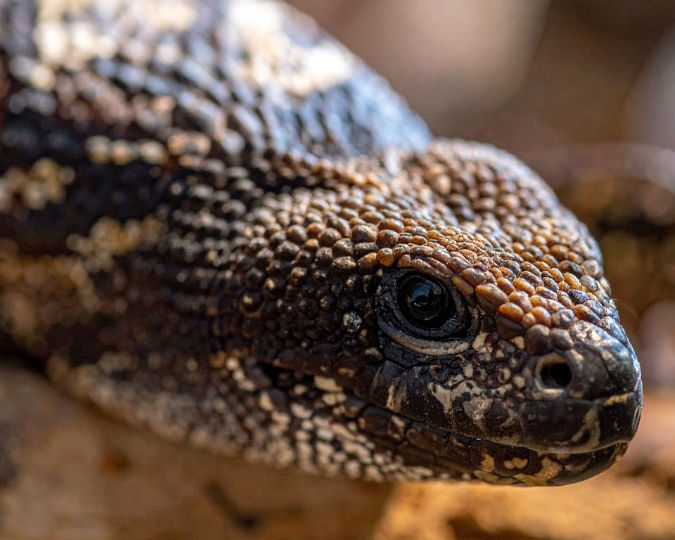
Although less common, shingleback lizards may also experience injuries, infections, or digestive problems.
Cuts or wounds may occur if sharp objects are present in the enclosure. These injuries should always be cleaned and monitored carefully.
Digestive issues may develop if the reptile eats unsafe foods or accidentally swallows substrate. Signs of digestive problems may include loss of appetite, swelling of the abdomen, or difficulty passing waste.
Providing safe substrate materials and offering properly sized food helps prevent these problems.
Maintaining correct enclosure conditions is the best way to reduce the risk of many health issues.
When to Visit a Reptile Vet?
While many minor issues can be prevented through proper care, some symptoms require immediate veterinary attention.
Owners should seek professional help if the reptile shows severe lethargy, sudden weight loss, difficulty breathing, swollen limbs, or persistent refusal to eat.
Emergency care may also be necessary if the reptile experiences injuries, severe infections, or major shedding problems.
A veterinarian who specializes in reptiles can perform tests, diagnose the condition, and provide appropriate treatment.
Regular health checkups are also recommended because they help detect problems early before they become serious. For detailed diagnosis and treatment options, you can read Shingleback Lizard Diseases Aur Treatment Guide for Pet Owners.
Preventing Health Problems

Preventing disease is always better than treating illness. Most shingleback lizard health problems occur because of incorrect husbandry.
Providing a balanced diet, proper temperatures, and UVB lighting supports the reptile’s immune system and overall wellbeing.
Maintaining a clean enclosure, replacing substrate regularly, and providing fresh water every day also helps prevent infections and parasites.
Daily observation is one of the most effective ways to protect reptile health. Owners who watch their reptiles closely can quickly notice changes in appetite, behavior, or physical condition. Early action can prevent small issues from becoming serious health problems.
The shingleback lizard health problems guide shows that while these reptiles are generally hardy, they can still develop illnesses if their care is not correct.
Common problems include metabolic bone disease, respiratory infections, parasites, shedding difficulties, and obesity. Most of these conditions are linked to incorrect diet, improper temperatures, or poor enclosure conditions.
By providing proper UVB lighting, a balanced diet, correct temperature ranges, and a clean habitat, reptile keepers can prevent many health issues.
Careful observation and regular veterinary care also help ensure that problems are detected early and treated quickly.
With proper care and attention, shingleback lizards can live long, healthy, and active lives, making them fascinating reptiles to keep and observe. Responsible reptile keeping also includes understanding reproduction, which is explained in Shingleback Lizard Breeding Guide Covering Mating Aur Baby Care.
At Promeal, we know how important it is to give your pets a healthy and varied diet. That’s why we create high-quality, natural pet food to keep them happy and healthy.
Our speciality is premium live and dried insect-based feeds like mealworms, superworms, crickets, roaches, waxworms, and hornworms. These insects are grown on an organic diet, making them a nutritious and tasty treat for your pets.
Check out our "Shop" section to find the perfect food for your pets!


Comments