
Caring for Swans in Rainy Season: Clean Water Access & Feeding Adjustments


Caring for Swans in Rainy Season
Caring for swans in rainy season is extremely important because heavy rain can affect water quality, feeding behavior, feather condition, and overall swan health. Swans are naturally strong water birds, but continuous wet weather can still create serious problems if their environment is not managed properly. During monsoon, pond water often becomes muddy and contaminated, while damp conditions increase the risk of bacterial infections, fungal problems, parasites, and stress.
Many swan owners notice changes in feeding habits during rainy weather. Some swans become less active, while others eat less because of cold and wet surroundings. This is why proper seasonal care, balanced nutrition, clean pond management, and dry shelter are essential during monsoon months.
A well-managed rainy season routine helps maintain healthy feathers, strong immunity, safe breeding conditions, and better overall activity levels. Clean water access and feeding adjustments are the most important parts of a successful swan monsoon care guide. Rainy weather often requires dietary adjustments, and What to Feed Swans? A Complete Guide provides a detailed overview of proper nutrition and feeding practices.
Why Rainy Season Care Is Important for Swans?
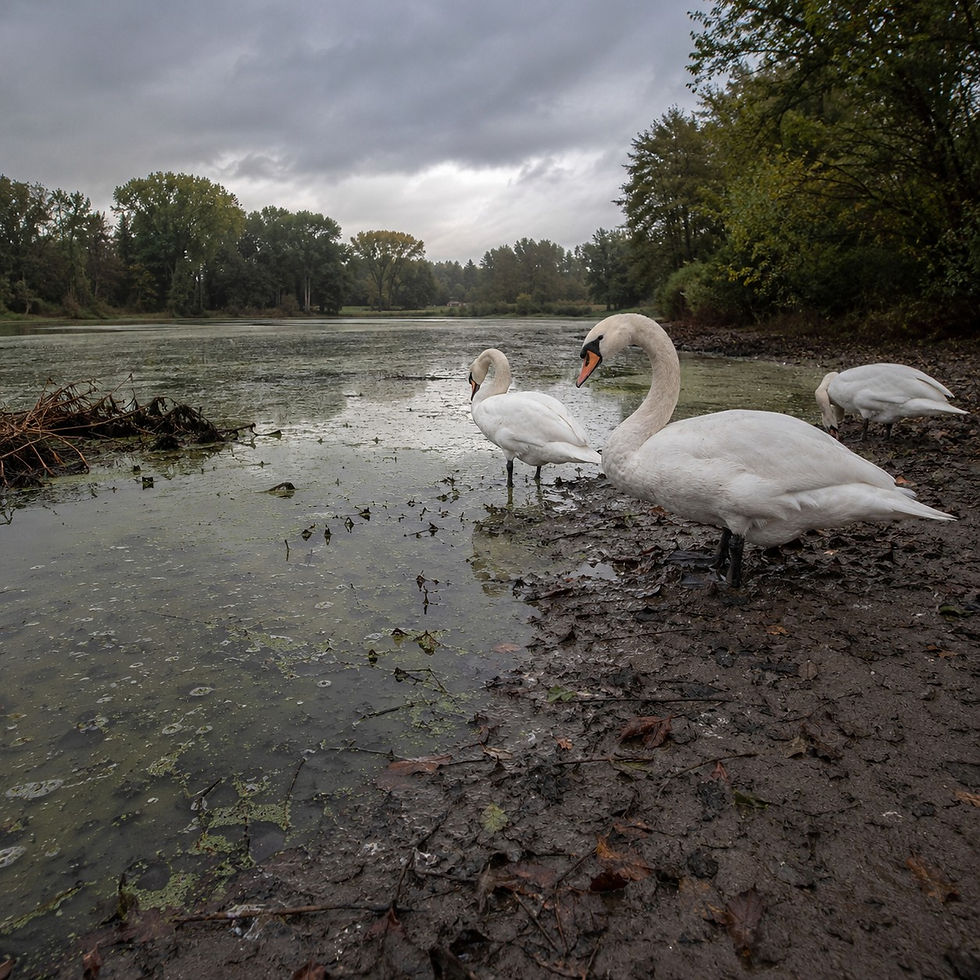
Swans spend a large amount of time in water for feeding, cleaning feathers, swimming, and regulating body temperature. During rainy season, excessive moisture and dirty pond water can quickly affect their health. Rainwater runoff often carries mud, waste, bacteria, and decaying plant material into ponds. If pond hygiene is ignored, harmful microorganisms can spread rapidly.
Wet ground around ponds may also soften the feet and increase the chances of infections. Young swans and breeding pairs are especially sensitive during seasonal weather changes. Long periods of damp weather can weaken immunity and increase stress levels.
Rainy weather may also reduce the availability of natural food sources. Swans sometimes eat less during storms or continuous rainfall, which makes nutritional balance even more important. A proper swan feeding routine during monsoon helps maintain energy, feather quality, digestion, and overall body condition. Understanding the basics of daily care can help prevent many seasonal health issues discussed in Swans Ki Dekhbhal Kaise Karein?.
Clean Water Access for Swans During Monsoon
Importance of Clean Pond Water
Clean pond water is one of the most important parts of swan rainy season care. Swans rely on water for almost every daily activity. Dirty water can affect feather waterproofing, skin health, digestion, and breathing comfort.
Swans constantly dip their heads into water while feeding. If the pond contains bacteria, parasites, or rotting organic matter, infections may spread quickly. Clean water also supports healthy feather maintenance, which is essential during wet weather.
Poor water quality may lead to stress, loss of appetite, and reduced activity. This is why regular pond cleaning becomes more important during monsoon compared to dry seasons.
How Rainy Season Affects Pond Water?
Heavy rainfall often changes pond conditions very quickly. Muddy runoff from nearby land can increase water contamination. Fallen leaves and organic waste begin to rot faster in warm and humid conditions. Standing water may also reduce oxygen levels and increase bacterial growth.
Algae growth becomes more common during humid weather, especially when ponds receive poor filtration or excessive organic waste buildup. Stagnant areas around the pond may attract parasites and insects that affect swan health.
These conditions can make swans uncomfortable and may reduce normal feeding behavior. Maintaining clean water throughout monsoon is one of the best ways to prevent disease in swans. For additional pond and land management practices, see How to Build a Black Swan Habitat? Complete Guide to Pond & Land Care.
Best Pond Maintenance Tips During Rainy Season
A strong pond filtration system helps remove waste particles, leftover feed, and harmful bacteria from the water. During monsoon, filtration should work continuously whenever possible. Partial water replacement also helps maintain better oxygen levels and cleaner conditions.
Leftover food should never remain floating in pond water for long periods because wet feed spoils very quickly in humid weather. Rotten food encourages bacterial growth and attracts insects.
Good drainage around the pond prevents muddy rainwater from entering continuously. Wet leaves, plant debris, and organic waste should also be removed regularly to prevent fungal and bacterial buildup.
Regular pond maintenance supports better feather quality, healthier digestion, and improved swan activity during rainy months.
Feeding Adjustments for Swans During Rainy Season
Why Swan Feeding Changes During Monsoon?
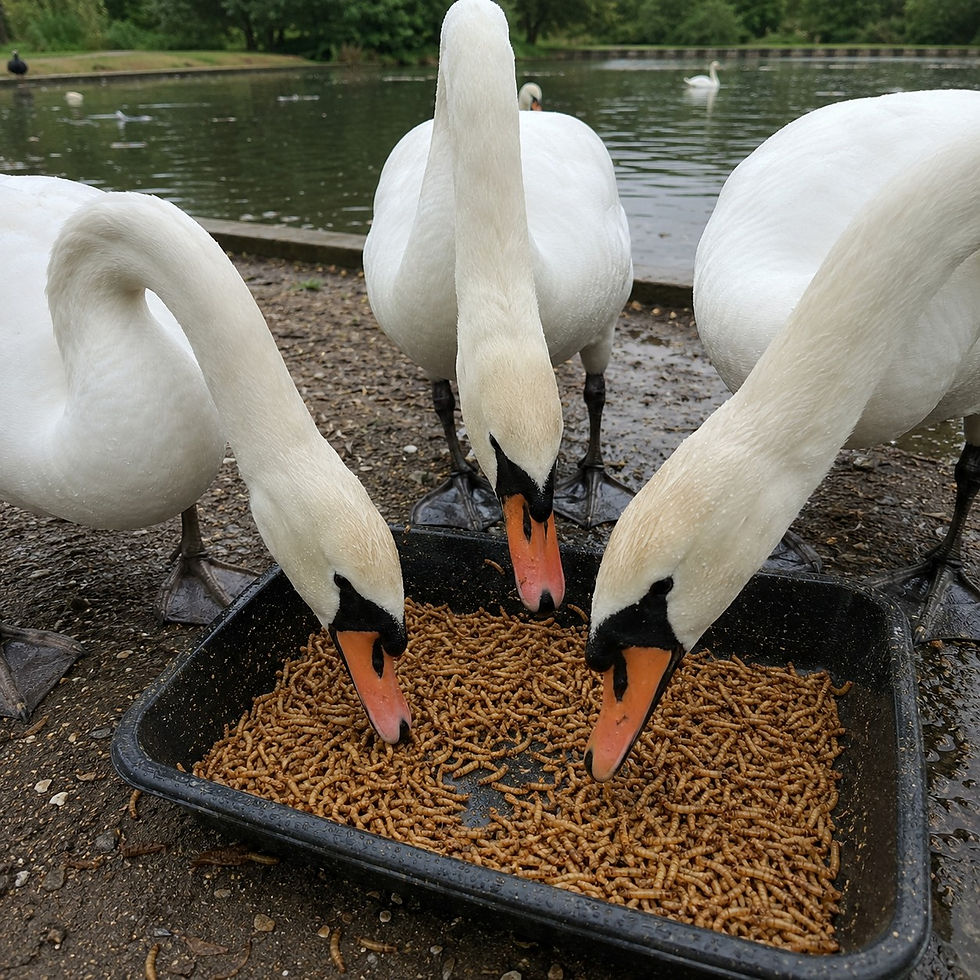
Rainy weather often changes swan feeding behavior. Swans may eat less during heavy rain but still require enough nutrients to maintain body temperature and body condition. Wet weather increases energy needs because birds use more energy staying warm and active.
Cold and humid conditions may also reduce digestion efficiency if poor-quality or spoiled feed is provided. This is why fresh and balanced nutrition becomes extremely important during rainy months.
A healthy rainy season swan diet should focus on clean grains, fresh greens, aquatic plants, and moderate protein support. For a complete breakdown of swan nutrition and feeding schedules, read What to Feed Swans? A Complete Guide.
Best Foods for Swans During Rainy Season
Swans benefit from a balanced diet that includes quality grains, leafy vegetables, aquatic vegetation, and safe nutritional supplements. Fresh foods support digestion and help maintain healthy feathers during wet weather.
Whole grains and floating waterfowl feed are commonly used because they remain easier to digest during cooler conditions. Leafy greens may help provide additional nutrients and support hydration.
Protein also plays an important role during monsoon because it supports feather maintenance, muscle condition, and energy balance. However, protein supplements should always remain moderate and balanced.
Live Insects for Swans During Rainy Season
Some swan keepers use live insects as occasional protein supplements during monsoon. The most commonly used feeder insects include live mealworms, superworms, crickets, and feeder roaches.
Among these options, live mealworms are generally considered the best feeder insect for swans during rainy season. Mealworms contain balanced protein and moderate fat levels while remaining softer and easier to digest compared to many other feeder insects. They are also easier to store and manage during humid weather.
Superworms contain higher fat levels and tougher outer shells, so they should only be fed occasionally. Crickets provide lean protein but may spoil quickly in wet conditions and are harder to manage around ponds. Feeder roaches are nutritious but less commonly used for swans compared to mealworms.
Mealworms should only be offered as a small supplement and never replace a complete swan diet. Balanced feeding remains more important than excessive protein supplementation. For more information about insect supplementation, read Mealworms as a Treat for Swans, Geese, and Ducks: Nutritional Benefits and Feeding Tips.
Foods to Avoid During Monsoon
Wet and humid weather increases the risk of food spoilage. Moldy grains, spoiled vegetables, processed snacks, salty foods, and excessive bread should always be avoided. Rotten feed can quickly cause digestive illness and bacterial infections.
Feed containers should remain dry and sealed properly because moisture encourages fungal contamination. Feeding areas should also stay elevated above muddy ground whenever possible.
Fresh and clean feeding practices help reduce disease risk and improve swan health during rainy conditions.
Swan Shelter and Enclosure Setup During Rainy Season
Importance of Dry Shelter

Although swans are water birds, they still require dry resting areas during continuous rain. Constant exposure to wet conditions may weaken immunity and increase stress levels. Proper shelter allows swans to rest comfortably and dry their feathers naturally.
Rainy season shelters should provide protection from strong winds, heavy rain, and muddy ground. Dry resting areas also help reduce fungal infections and foot problems. Proper enclosure planning plays a major role in seasonal care and is explained further in Swans Ke Liye Perfect Habitat Setup Kaise Karein?.
Ideal Swan Enclosure During Monsoon
A good swan enclosure should include elevated flooring, proper drainage, ventilation, and safe, non-slippery surfaces. Shelter areas should remain dry and clean at all times.
Overcrowding should also be avoided because damp and crowded conditions increase stress and disease spread. Clean bedding and regular enclosure cleaning help maintain healthy living conditions during monsoon months.
Dry shelter and clean surroundings are essential parts of a complete swan monsoon care guide.
Health Precautions for Swans During Rainy Season
Common Health Problems in Wet Weather
Rainy season increases the risk of respiratory infections, fungal skin problems, digestive stress, parasites, and foot infections. Damp conditions allow harmful bacteria and fungi to spread more easily.
Young swans, older birds, and breeding pairs are usually more sensitive to sudden weather changes. Reduced feeding activity may also weaken immunity if nutritional balance is poor. Many preventive healthcare practices are also covered in How to Care for Swans? A Complete Guide.
Warning Signs of Illness in Swans
Swan owners should monitor birds carefully during rainy months. Signs of illness may include reduced feeding, weakness, feather damage, swollen feet, breathing difficulty, poor swimming activity, or unusual behavior.
Early observation is extremely important because infections often spread quickly in wet conditions. Healthy swans usually remain active, alert, and comfortable in clean water environments.
How to Improve Swan Immunity Naturally?
Strong immunity helps swans handle seasonal weather changes more effectively. Clean pond water, balanced nutrition, proper shelter, and stress reduction are some of the best natural ways to support swan health.
Protein balance, fresh feed, and regular cleaning routines also support better feather quality and overall body condition. Consistent care reduces disease risks and improves long-term health during monsoon.
Breeding and Nesting Care During Rainy Season
Breeding swans require extra protection during rainy weather because wet nesting conditions may damage eggs and increase bacterial growth. Nesting areas should remain elevated and protected from flooding.
Dry nesting material should be replaced regularly to maintain cleanliness. Stable feeding routines and reduced stress are also important for breeding pairs during monsoon months.
Healthy nesting conditions support safer egg development and improve chick survival rates during wet weather. Breeding birds require extra management, and several useful care practices are covered in How to Care for Black Swans?.
Stress Management During Stormy Weather

Storms, loud noises, and sudden environmental changes may increase stress in swans. Stress often reduces feeding activity and weakens immunity. Calm surroundings and stable routines help swans remain comfortable during rainy weather.
Keeping shelters secure, avoiding overcrowding, and maintaining regular feeding schedules can reduce stress significantly. Healthy swans usually adapt better when their environment remains stable and clean.
Caring for swans in rainy season requires proper pond hygiene, balanced feeding, dry shelter, and regular health monitoring. Heavy rain can quickly affect water quality, feeding behavior, and disease risk if care routines are ignored.
Clean water access remains the most important factor for maintaining healthy feathers, digestion, and overall swan comfort during monsoon. Feeding adjustments also play a major role because swans require fresh and balanced nutrition during wet weather.
Occasional protein supplements such as live mealworms may help support energy and feather condition when used correctly, but they should always remain part of a balanced diet rather than the main food source.
With proper rainy season care, swans can remain healthy, active, stress-free, and comfortable throughout the monsoon months. Along with proper seasonal management, a balanced diet remains essential, so be sure to read What to Feed Swans? A Complete Guide for additional feeding recommendations.
Start improving your pond hygiene, feeding routine, and seasonal swan care practices today to protect your swans from rainy season health problems and maintain strong, healthy birds all year long.
At Promeal, we know how important it is to give your pets a healthy and varied diet. That’s why we create high-quality, natural pet food to keep them happy and healthy. Our speciality is premium live and dried insect-based feeds like mealworms, superworms, crickets, roaches, waxworms, and hornworms. These insects are grown on an organic diet, making them a nutritious and tasty treat for your pets.
Check out our "Shop" section to find the perfect food for your pets!


Comments