
Wood Turtle Breeding Guide Covering Mating, Eggs, and Hatchling Care

Updated: Apr 8
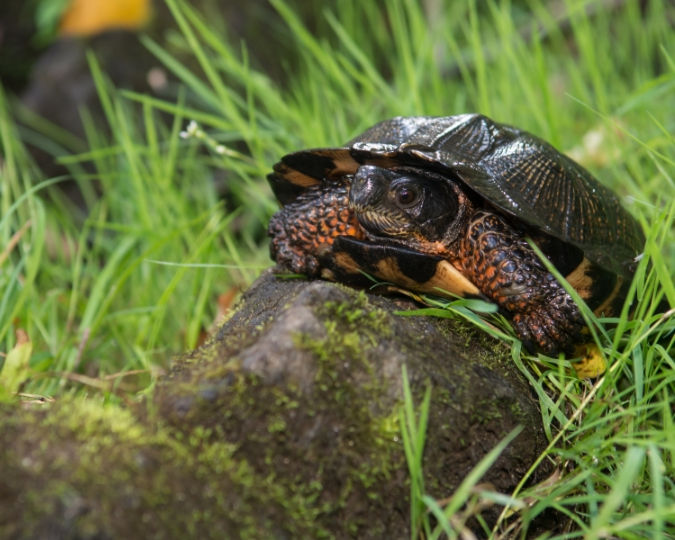
Wood turtle breeding is a fascinating process that shows how these unique freshwater turtles reproduce and grow in nature. Wood turtles are semi-aquatic reptiles that live near rivers, streams, and forest areas. In the wild, their breeding cycle follows seasonal changes such as temperature, sunlight, and rainfall. These environmental conditions help trigger mating behavior and egg laying.
Breeding wood turtles in captivity can be challenging because their environment must closely match natural conditions. When turtles are given the correct habitat, proper temperature, and suitable nesting areas, successful breeding becomes possible.
Many reptile keepers and researchers study wood turtle reproduction to understand their life cycle and help protect wild populations. These turtles grow slowly and take many years to reach adulthood, which means careful breeding programs are important for conservation.
This detailed wood turtle breeding guide explains everything about the reproductive process, including sexual maturity, mating behavior, nesting habits, egg incubation, and hatchling care. Understanding these stages helps turtle keepers create the right conditions for successful reproduction. For a broader understanding of daily care and long-term maintenance, readers can explore the Wood Turtle Care Guide for Beginners and Everyday Maintenance Tips to learn how proper care supports healthy breeding adults.
Understanding Wood Turtle Reproduction

Wood turtles reproduce through a natural seasonal cycle. In the wild, environmental factors such as warming temperatures and longer daylight hours signal the beginning of the breeding season.
Male turtles become more active and begin searching for females. They may follow females through water or across land during courtship. This period is an important stage in wood turtle mating behavior, as it helps turtles find suitable partners.
Reproduction in wood turtles is slow compared to many other reptiles. These turtles grow gradually and reach maturity later in life. Because of this slow growth, breeding success depends on healthy adult turtles and proper environmental conditions.
Captive breeding requires careful management of temperature, lighting, and habitat design. When these factors are correct, turtles are more likely to display natural breeding behavior.
Sexual Maturity in Wood Turtles
One of the most important aspects of wood turtle breeding is understanding when turtles reach sexual maturity. Wood turtles grow slowly, and they take many years to become capable of reproduction.
Most wood turtles reach maturity between 14 and 20 years of age. This long development period is one reason why wood turtle populations recover slowly in the wild.
Male and female turtles can be identified by several physical features. Male wood turtles usually have longer tails and slightly concave lower shells, which help them during mating. Females often have wider bodies because they must carry eggs during the breeding season.
Healthy adult turtles are necessary for successful reproduction. Turtles that are too young, underweight, or unhealthy may not breed successfully. Proper nutrition, adequate space, and stable environmental conditions help turtles reach maturity and maintain good reproductive health. A balanced diet plays a major role in turtle development, and the Wood Turtle Diet and Feeding Guide for Balanced Nutrition and Health explains how proper nutrition supports growth and reproductive health.
Mating Season

The wood turtle mating season usually occurs during the spring when temperatures begin to rise after winter. Warmer weather and longer daylight hours trigger natural breeding behavior.
During this time, male turtles become more active and may travel long distances in search of females. Courtship behavior may involve gentle nudging, following, and interaction between the male and female.
In some cases, mating can occur both in water and on land. Wood turtles are semi-aquatic, so their mating behavior may happen near streams, ponds, or forest areas close to water.
Breeding success depends heavily on environmental conditions. If temperatures are too low or the habitat is not suitable, turtles may not display normal mating behavior. In captivity, keepers often recreate seasonal changes by adjusting temperature and lighting cycles. These changes help encourage natural wood turtle breeding behavior.
Nesting Behavior
After successful mating, female turtles begin searching for a suitable place to lay their eggs. Nesting behavior is one of the most important stages of wood turtle reproduction.
Female wood turtles usually choose sunny, sandy soil near water as a nesting location. The warm soil helps incubate the eggs and supports healthy embryo development.
The female digs a hole using her hind legs. This nest chamber protects the eggs and provides a stable environment for incubation. Once the nest is ready, the female lays a clutch of eggs. A typical clutch may contain 3 to 18 eggs, depending on the age and health of the female.
After laying the eggs, the female carefully covers the nest with soil. This helps protect the eggs from predators and environmental changes. Unlike many mammals, turtle parents do not care for their eggs after laying them. The eggs develop naturally in the soil until they hatch. For keepers setting up a proper turtle habitat, the Wood Turtle Enclosure Setup Guide: Safe Natural Habitat Build Kare Ke Liye explains how to build an enclosure that supports natural nesting behavior.
Egg Incubation

Egg incubation is a critical stage in wood turtle breeding. The developing embryos depend on stable temperature and moisture conditions.
The average incubation period for wood turtle eggs is about 47 to 70 days. The exact time can vary depending on temperature and environmental conditions. Temperature plays a major role in turtle egg development. Warm soil speeds up development, while cooler temperatures slow the process.
In captivity, breeders often place eggs in incubation containers filled with moist substrate such as vermiculite or sand. This setup helps maintain proper humidity and temperature levels.
The recommended incubation temperature is generally around 26 to 29°C or 79 to 84°F. Maintaining consistent conditions helps improve hatching success. Eggs should not be rotated or moved frequently because this may harm the developing embryos.
Careful monitoring during the incubation stage is essential for successful hatching.
Hatchling Development
When incubation is complete, baby turtles begin to break through the eggshell using a small structure called an egg tooth. This process may take several hours as the hatchling slowly pushes out of the shell.
Newly hatched wood turtles are very small and delicate. They usually measure only 3 to 4 cm in shell length. Their shells are softer than those of adult turtles and gradually harden as they grow.
After hatching, young turtles often remain inside the nest for a short period before emerging. This allows them to absorb the remaining nutrients from the yolk sac. Once the hatchlings leave the nest, they naturally move toward water or shaded areas where they can hide from predators.
Hatchling Care in Captivity
Providing proper wood turtle hatchling care is essential for healthy growth. Baby turtles require a safe environment with the correct temperature, lighting, and diet.
The hatchling enclosure should include both shallow water and dry land areas. Because young turtles are small and weak swimmers, the water depth should remain shallow.
A gentle basking area should be provided where hatchlings can warm themselves under a heat lamp. The basking temperature should remain slightly warmer than the surrounding enclosure.
Young turtles require UVB lighting to support healthy bone and shell development. UVB exposure helps their bodies absorb calcium and maintain strong shells. Proper lighting and temperature conditions are essential for growing turtles.
First Feeding
Hatchling turtles usually begin eating within a few days after hatching. Their early diet should include small and easy-to-eat foods. Common foods for young turtles include small insects, worms, and soft plant material. These foods provide protein and nutrients needed for early growth.
Young turtles should be fed regularly because they are growing quickly during this stage. Small portions offered daily help support healthy development. As the turtles grow, their diet can gradually expand to include more plant foods and a wider variety of insects. Providing balanced nutrition helps young turtles grow into strong and healthy adults.
Challenges in Wood Turtle Breeding

Breeding wood turtles in captivity is not always easy. One challenge is recreating the natural seasonal changes that trigger reproduction.
Many turtles require a cooling period during winter, known as brumation, before they will breed successfully in spring. Without this seasonal cycle, mating behavior may not occur. Another challenge is providing safe nesting areas. If females cannot find suitable soil for digging nests, they may retain their eggs, which can lead to health problems.
Egg incubation also requires careful monitoring to maintain proper humidity and temperature. Despite these challenges, successful wood turtle captive breeding can support conservation efforts and increase knowledge about this species. Health monitoring is essential during breeding, and the Wood Turtle Diseases and Treatment Guide for Common Health Issues explains how to identify and manage common turtle illnesses.
Importance of Responsible Breeding
Wood turtles grow slowly and produce relatively small numbers of eggs compared to many reptiles. Because of this slow reproduction, wild populations can decline quickly if adults are removed from their habitat.
Responsible breeding programs help protect these turtles by reducing pressure on wild populations. Breeders who understand proper care and reproduction can contribute to conservation and education. Maintaining healthy breeding adults, providing natural habitats, and carefully raising hatchlings are important steps in responsible turtle breeding.
When these factors are managed correctly, wood turtle reproduction can occur successfully in captivity. Understanding the breeding process not only helps reptile keepers but also supports conservation efforts for this remarkable species. For readers who want a simplified overview of reproduction stages, the Wood Turtle Ki Breeding Guide: Mating, Eggs Aur Hatchling Care Ke Sath explains the complete breeding process step by step.
At Promeal, we know how important it is to give your pets a healthy and varied diet. That’s why we create high-quality, natural pet food to keep them happy and healthy. Our speciality is premium live and dried insect-based feeds like mealworms, superworms, crickets, roaches, waxworms, and hornworms. These insects are grown on an organic diet, making them a nutritious and tasty treat for your pets.
Check out our "Shop" section to find the perfect food for your pets!


Comments