
Wood Turtle Diseases and Treatment Guide for Common Health Issues

Updated: Apr 8

Wood turtle diseases are an important topic for anyone who keeps or studies these unique turtles. Wood turtles are strong reptiles that can live for many decades, but they can still develop health problems if their environment or diet is not correct. Like many reptiles, turtles depend heavily on proper care. When their habitat, lighting, food, and water quality are not maintained properly, their bodies become weak and more vulnerable to illness.
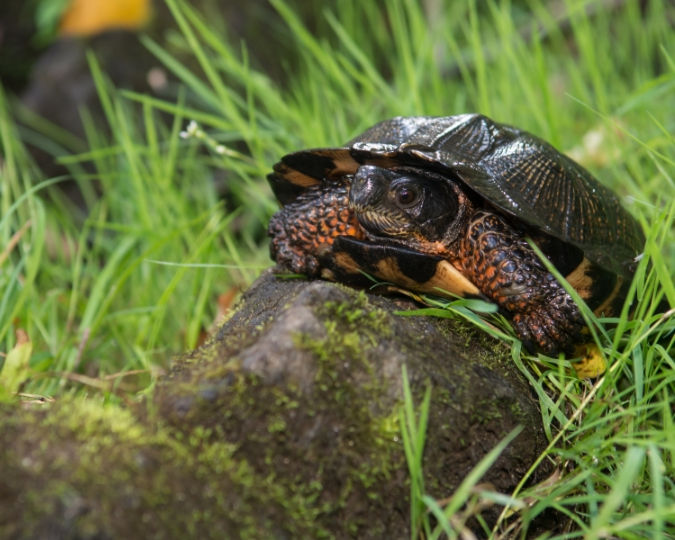
A healthy wood turtle is usually active during the day, moves around its enclosure, and eats regularly. Its shell should feel hard and smooth, its eyes should look clear and open, and its skin should appear clean and healthy. When turtles begin to show unusual behavior or physical changes, it can be an early sign of disease.
Most wood turtle health problems are related to husbandry issues. Husbandry means the daily care and management of animals. Poor water quality, lack of UVB lighting, incorrect temperature, and poor diet are some of the most common causes of turtle disease. The good news is that many illnesses can be prevented when turtles are given proper care.
This complete guide explains the most common wood turtle diseases, their causes, warning signs, and prevention methods. Understanding these health problems helps turtle keepers protect their pets and provide a safe environment. For a complete overview of proper turtle care, readers can explore the Wood Turtle Care Guide for Beginners and Everyday Maintenance Tips to understand how daily care supports long-term health.
Understanding Wood Turtle Health

Wood turtles are semi-aquatic reptiles that live near streams, rivers, and forest areas in the wild. Their natural environment includes clean water, moist soil, plants, and sunlight. These conditions support their health and allow them to behave naturally.
When wood turtles are kept in captivity, their enclosure should copy this natural environment as closely as possible. If the enclosure is too small, dirty, or poorly maintained, the turtle may experience stress. Long-term stress weakens the immune system and makes the turtle more likely to develop diseases.
Healthy turtles show many positive signs. They move around the enclosure, explore their environment, and respond when food is offered. Their shell remains firm, their eyes stay bright and clear, and their breathing remains quiet and steady.
When something is wrong with their environment or diet, turtles may begin to show signs of illness. These signs may appear slowly, which is why regular observation is very important. Early detection allows problems to be corrected before they become serious.
Understanding how turtles stay healthy is the first step in preventing wood turtle health problems.
Common Wood Turtle Health Problems
Wood turtles can develop several types of illnesses. Some diseases are caused by bacteria or fungi, while others occur because of poor nutrition or incorrect habitat conditions.
The most common wood turtle diseases include shell rot, respiratory infections, parasites, and metabolic bone disease. Each of these problems can affect a turtle’s health in different ways. Learning about these diseases helps turtle keepers recognize symptoms early and provide proper treatment. For readers who prefer a simplified overview, the Wood Turtle Diseases Aur Treatment Guide Common Health Issues Ke Liye also explains the major turtle health problems and their treatment methods.
Shell Rot

Shell rot is one of the most common diseases seen in captive turtles. This condition occurs when bacteria or fungi infect the shell. The infection usually develops when turtles live in dirty water or when the enclosure stays wet and unclean for long periods.
The shell of a turtle is made of bone covered by protective plates called scutes. When these protective layers become damaged, microorganisms can enter the shell and begin causing infection.
Early signs of shell rot may include discolored patches, soft spots, or small pits on the shell. These areas may look darker than the surrounding shell. As the disease progresses, the shell may become weak or damaged. If the infection spreads deeper into the shell, it can cause serious pain and long-term damage. Severe cases may even affect the bones beneath the shell.
The best way to prevent shell rot is to provide clean water, a dry basking area, and regular enclosure cleaning. A basking platform allows the turtle to warm up and dry its shell, which helps stop bacteria and fungi from growing.
Respiratory Infections
Respiratory infections are another common health problem in turtles. These infections affect the lungs and breathing passages.
Respiratory disease often develops when turtles live in environments that are too cold or damp. Poor ventilation and dirty water can also increase the risk of infection.
Turtles with respiratory infections may show difficulty breathing, mucus around the nose, or unusual breathing sounds. Some turtles stretch their necks while breathing because they are trying to get more air. Another possible sign is floating unevenly in water. When the lungs become infected, the turtle may lose normal balance while swimming.
Respiratory infections can become dangerous if they are not treated quickly. In serious cases, the infection may spread deeper into the lungs. Maintaining proper enclosure temperature, clean water, and balanced nutrition helps reduce the risk of respiratory disease. Proper nutrition helps strengthen the immune system, and the Wood Turtle Diet and Feeding Guide for Balanced Nutrition and Health explains how to provide balanced meals for turtles.
Parasites
Parasites are small organisms that live inside or on another animal. Many turtles carry small numbers of parasites without becoming sick. However, when parasite numbers increase, they can cause serious health problems.
Internal parasites usually live in the digestive system and may affect the turtle’s ability to absorb nutrients. Turtles with heavy parasite infections may experience weight loss, weakness, diarrhea, or reduced appetite.
Parasites often spread through contaminated water, infected food, or contact with other animals. Enclosures that are not cleaned regularly can increase the risk of parasite infections.
Maintaining clean habitats and feeding safe food helps reduce the chances of parasite problems. Regular veterinary checkups can also help detect parasites early.
Metabolic Bone Disease
Metabolic bone disease is a serious condition that affects many reptiles kept in captivity. This disease develops when turtles do not receive enough calcium or proper UVB lighting.
Calcium is essential for building strong bones and shells. Without enough calcium, the turtle’s skeletal system becomes weak. UVB lighting is also necessary because it allows the turtle’s body to produce vitamin D3, which helps absorb calcium.
When turtles lack calcium or UVB exposure, their bones and shells become soft. Young turtles may develop soft shells, abnormal growth, and weak limbs.
Metabolic bone disease can also cause deformities and slow growth. In severe cases, the turtle may have difficulty moving or eating. Providing a balanced diet rich in calcium and installing proper UVB lighting are the most effective ways to prevent this disease. A proper calcium-rich diet is essential for turtles, and the Wood Turtle Diet and Feeding Guide for Balanced Nutrition and Health explains how balanced nutrition supports strong bones and shells.
Signs of an Unhealthy Turtle

Recognizing early warning signs is very important when dealing with wood turtle diseases. Turtles often hide illness, so small changes in behavior can be important clues. One common sign of illness is loss of appetite. Healthy turtles usually eat regularly, so refusing food may indicate a health problem.
Another important symptom is a soft or flexible shell, which may suggest calcium deficiency or metabolic bone disease. Eye problems are also common warning signs. Swollen eyes or closed eyelids may indicate infection or vitamin deficiency.
Some sick turtles become very inactive. Lethargy, or unusual tiredness, often means the turtle is not feeling well. Observing your turtle daily helps detect these symptoms early and allows treatment before the disease becomes severe.
Causes of Wood Turtle Diseases
Many wood turtle health problems are caused by incorrect care. One of the biggest causes is poor water quality. Dirty water contains bacteria and waste that can harm turtle health.
Another common cause is lack of UVB lighting. Without UVB light, turtles cannot produce vitamin D3 and may develop metabolic bone disease.
Diet also plays a major role in turtle health. Nutritional deficiencies occur when turtles do not receive balanced food. Diets lacking vitamins or calcium weaken the turtle’s body and make disease more likely.
Improper temperatures can also cause stress. If an enclosure is too cold or too hot, the turtle’s body cannot function properly. Understanding these causes helps turtle keepers create safer habitats and prevent illness.
Prevention of Wood Turtle Diseases

Preventing disease is easier than treating it. Most wood turtle diseases can be avoided with proper care and regular maintenance. One of the most important steps is keeping the enclosure clean. Removing waste and changing water regularly helps reduce harmful bacteria.
A balanced diet is also essential. Turtles should receive a mixture of protein foods, vegetables, and other natural foods to provide proper nutrition. Proper lighting is another key factor. UVB lamps help turtles produce vitamin D3 and absorb calcium, which keeps their shells strong.
Correct temperatures should also be maintained to support healthy digestion and metabolism. Regular observation allows keepers to notice early signs of illness and act quickly if problems appear. Healthy adult turtles are also important for reproduction, which is explained in the Wood Turtle Breeding Guide Covering Mating, Eggs, and Hatchling Care.
Importance of Good Husbandry
Good husbandry practices are the foundation of turtle health. Husbandry includes everything involved in caring for an animal, such as feeding, cleaning, lighting, and habitat management. When turtles receive proper husbandry, their immune systems remain strong and they are less likely to develop diseases.
Providing a natural environment with clean water, basking areas, UVB lighting, and balanced nutrition supports long-term health. Wood turtles that live in healthy environments often remain active, alert, and disease-free for many years.
The good news is that most wood turtle health problems can be prevented through good husbandry. Providing clean enclosures, balanced diets, proper lighting, and correct temperatures greatly reduces the risk of disease. With proper care and attention, wood turtles can live long and healthy lives, allowing owners and reptile enthusiasts to enjoy these fascinating turtles for many decades. For readers interested in the reproductive cycle of these turtles, the Wood Turtle Ki Breeding Guide: Mating, Eggs Aur Hatchling Care Ke Sath explains the full breeding process.
At Promeal, we know how important it is to give your pets a healthy and varied diet. That’s why we create high-quality, natural pet food to keep them happy and healthy.
Our speciality is premium live and dried insect-based feeds like mealworms, superworms, crickets, roaches, waxworms, and hornworms. These insects are grown on an organic diet, making them a nutritious and tasty treat for your pets.
Check out our "Shop" section to find the perfect food for your pets!


Comments