
Best Monsoon Diet for Pets: High-Protein Foods to Boost Immunity Fast

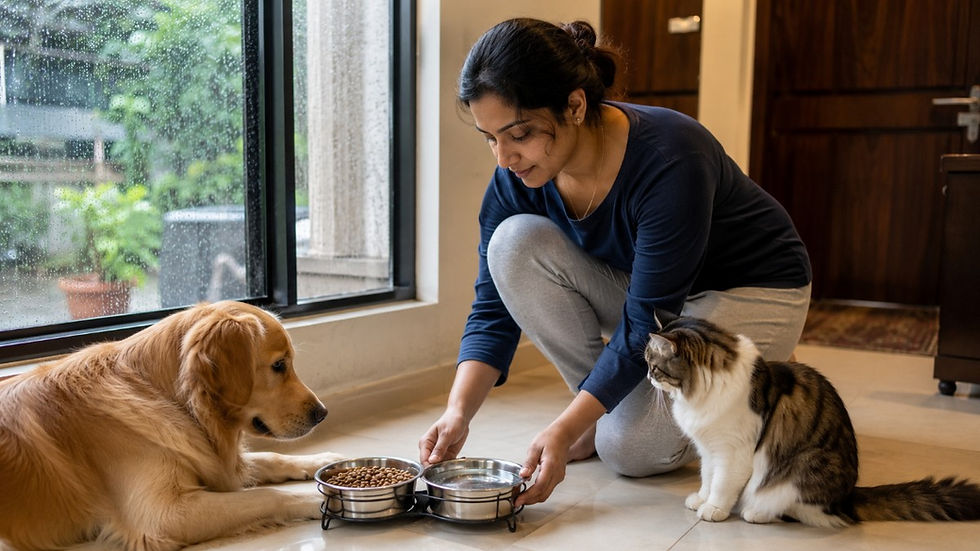
The best monsoon diet for pets should be fresh, safe, high in quality protein, easy to digest, and protected from moisture. During the rainy season, pets can face more humidity, damp bedding, dirty water, ticks, fleas, fungal growth, and spoiled food. This is why food care becomes as important as normal pet care. A strong diet cannot work like medicine, but the right high-protein foods can support normal immunity, body repair, energy, skin health, feather quality, growth, and breeding health.
Many pet owners think monsoon care means only keeping pets dry. That is only one part. The real care includes clean food, fresh water, dry enclosure, safe feeding time, proper storage, and daily health checks. When food gets wet or stale, it can lose quality and may upset the stomach. When the cage, tank, or bedding stays damp, the risk of illness can increase. So the best rainy season pet care plan should combine diet, hygiene, shelter, and health precautions together.
Why Pets Need Extra Diet Care During Monsoon?

Monsoon weather brings moisture into the air. This can make dry food soft, seeds moldy, insect feeders weak, bedding damp, and water bowls dirty faster. Pets may also become less active because of rain and cloudy weather. Some pets may eat less, while some may overeat because they are bored indoors. Both situations need care.
The main goal of a monsoon pet diet is not overfeeding. The main goal is safe nutrition. Pets need good protein, clean water, balanced minerals, vitamins, and food that suits their species. Dogs, cats, birds, reptiles, fish, poultry, and small pets do not need the same food. A food that is good for one pet can be wrong for another. That is why every monsoon feeding plan should be species-specific.
How High-Protein Foods Support Immunity?
Protein helps the body build and repair tissues. It also supports muscles, skin, feathers, scales, egg formation, growth, and normal immune function. During monsoon, pets may face more stress from humidity, low sunlight, parasites, dirty surfaces, and sudden changes in temperature. A diet with good-quality protein can help the body stay strong during this stressful season.
But protein should be used correctly. High protein does not mean unlimited protein. Too much rich food can cause digestive upset, obesity, fatty body condition, water quality problems in fish tanks, and imbalance in breeding pets. Protein should support the main diet, not replace a complete and balanced diet.
For dogs and cats, the main food should be complete and balanced according to their age and health. Treats should stay limited. For reptiles, birds, fish, and insect-eating pets, insects can be a very useful protein source, but they must be offered in the right size and right quantity. For egg-laying birds and hens, protein is important, but calcium and vitamin D are also very important for strong eggshells.
Best High-Protein Foods for Pets in Rainy Season

The best high-protein foods during monsoon are foods that are fresh, clean, easy to digest, and safe for the pet’s species. For dogs and cats, this may include their normal balanced food, plus vet-approved protein options if needed. For birds and reptiles, this may include insects, egg food, or species-specific protein items. For fish, this may include controlled feeding of quality pellets, dried insects, or animal-based treats depending on the fish type. For poultry and egg-laying birds, it means balanced feed with enough protein, calcium, and clean water.
Do not suddenly change your pet’s diet in monsoon. Sudden food changes can upset digestion. If you want to add a new protein source, add it slowly and watch the pet’s stool, appetite, activity, and behavior. If your pet has kidney disease, liver disease, obesity, allergy, or long-term illness, ask a vet before increasing protein.
Live Insects for Pets: Mealworms, Superworms, Crickets, and Roaches

Live insects can be a good high-protein food for insect-eating pets because they add movement, natural feeding behavior, and enrichment. Live mealworms, superworms, crickets, and roaches are commonly used for reptiles, insect-eating birds, amphibians, some fish, and other exotic pets. They are not meant to replace the full diet, but they can work well as a protein-rich add-on.
Mealworms are easy to feed and are accepted by many pets. They are useful for birds, reptiles, fish, and small exotic pets, but they should be given in controlled amounts. Superworms are larger and richer, so they are better as an occasional treat for bigger pets, not as a daily food for every animal. Crickets are one of the best all-round live insects because they are active, protein-rich, and encourage natural hunting behavior. Roaches are also good for larger reptiles and predator pets because they are active and nutritious, but the size must match the pet’s mouth and digestion.
Among these, crickets are the best all-round choice for most insect-eating pets during monsoon because they offer movement, good protein value, and strong feeding enrichment. Mealworms are the easiest feeder for regular controlled use. Superworms are best as an occasional rich treat. Roaches are best for larger reptiles and predator pets that can handle them safely.
For reptiles, insects should not be treated as perfect food by themselves. Many feeder insects are naturally low in calcium, so gut loading and calcium dusting are important. This is especially important for lizards, geckos, bearded dragons, chameleons, turtles, and breeding reptiles. Without proper calcium and UVB care, reptiles can develop serious bone and health problems.
Safe Monsoon Feeding Routine
A good monsoon feeding routine should be simple. Feed fresh food in small portions. Remove leftovers quickly. Wash bowls daily. Keep dry food away from moisture. Do not leave wet food open for long. Do not keep insects in damp, dirty, or overheated places. Keep drinking water clean and change it daily.
For birds, do not leave wet seeds in the cage. Damp seeds can spoil quickly. For reptiles, remove uneaten live insects because they can stress or bite weak pets. For fish, do not overfeed because extra food can spoil water and increase ammonia risk. For poultry, keep feed dry and raised above wet flooring. For small mammals, check bedding and food corners because hidden wet food can spoil.
Fresh food is better than extra food in monsoon. Pets do not need heavy feeding just because the weather is rainy. They need clean, controlled, and balanced feeding.
Foods to Avoid During Monsoon
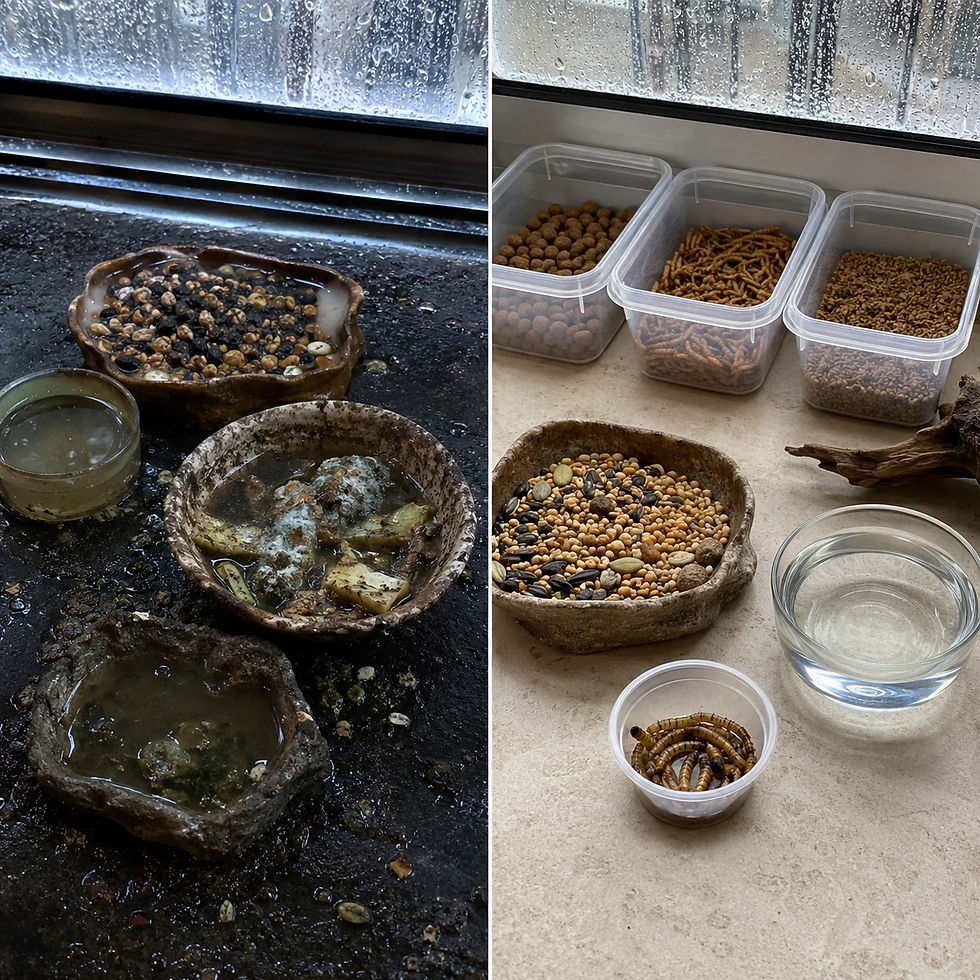
Avoid stale food, moldy food, wet seeds, spoiled insects, dirty water, leftover wet food, oily snacks, spicy human food, and random kitchen scraps. Also avoid giving too many treats in the name of immunity. Treats can be useful, but they should not disturb the main diet.
Raw or unsafe food should also be handled carefully because monsoon humidity can increase spoilage risk. If food smells bad, changes color, becomes sticky, or attracts insects, do not feed it. When in doubt, throw it away. A small saving on spoiled food can become a big health risk for pets.
Pet Food Storage in Monsoon
Food storage is one of the most important parts of rainy season pet care. Keep dry food in a cool and dry place. Do not keep pet food near windows, wet floors, bathrooms, open balconies, or leaky walls. Keep the original packet closed properly, and if using a container, make sure the container is clean and dry.
Do not mix old food crumbs with new food. Wash and dry the storage container before refilling it. This helps reduce old oil, crumbs, insects, and smell. Live insects should also be stored according to their care needs, with proper ventilation and dry conditions. If insects look dead, moldy, weak, or foul-smelling, do not feed them.
Moisture is the biggest enemy of pet food during monsoon. Good storage protects nutrition, smell, taste, and safety.
Enclosure Setup for Monsoon

The best diet will not help fully if the pet’s living area stays wet. Monsoon enclosure setup should focus on dryness, ventilation, warmth, and cleanliness. Birds need dry perches, clean cage floors, fresh water, and protection from direct rain. Reptiles need dry substrate, correct temperature, basking area, UVB, and good ventilation. Fish need stable water quality, clean filters, and controlled feeding. Small pets need dry bedding and no damp corners. Poultry need dry litter and raised feeding areas.
Outdoor pets should have a safe covered space where rainwater does not enter. Balcony bird feeding areas should be dry and cleaned daily. Reptile tanks should not become cold and damp. Aquariums should not be overfed because uneaten food can quickly affect water quality.
Dry shelter plus clean food is the real monsoon care formula.
Health Precautions and Common Monsoon Diseases
During monsoon, pets can be more exposed to skin infections, fungal growth, fleas, ticks, stomach upset, respiratory issues, and stress. Birds may show illness through fluffed feathers, low activity, sleeping more, less singing, reduced appetite, or changed droppings. Reptiles may show poor appetite, weakness, stuck shed, swelling, soft bones, or low activity. Fish may show gasping, clamped fins, sudden hiding, poor feeding, or unusual swimming. Dogs and cats may show itching, paw licking, loose motion, dullness, or bad skin smell.
Diet can support health, but it cannot replace treatment. If your pet shows breathing difficulty, sudden weakness, long-term food refusal, swelling, wounds, repeated vomiting, severe diarrhea, or abnormal behavior, visit a vet.
Do not wait too long in monsoon illness. Damp weather can make small problems worse faster.
Breeding Diet During Monsoon
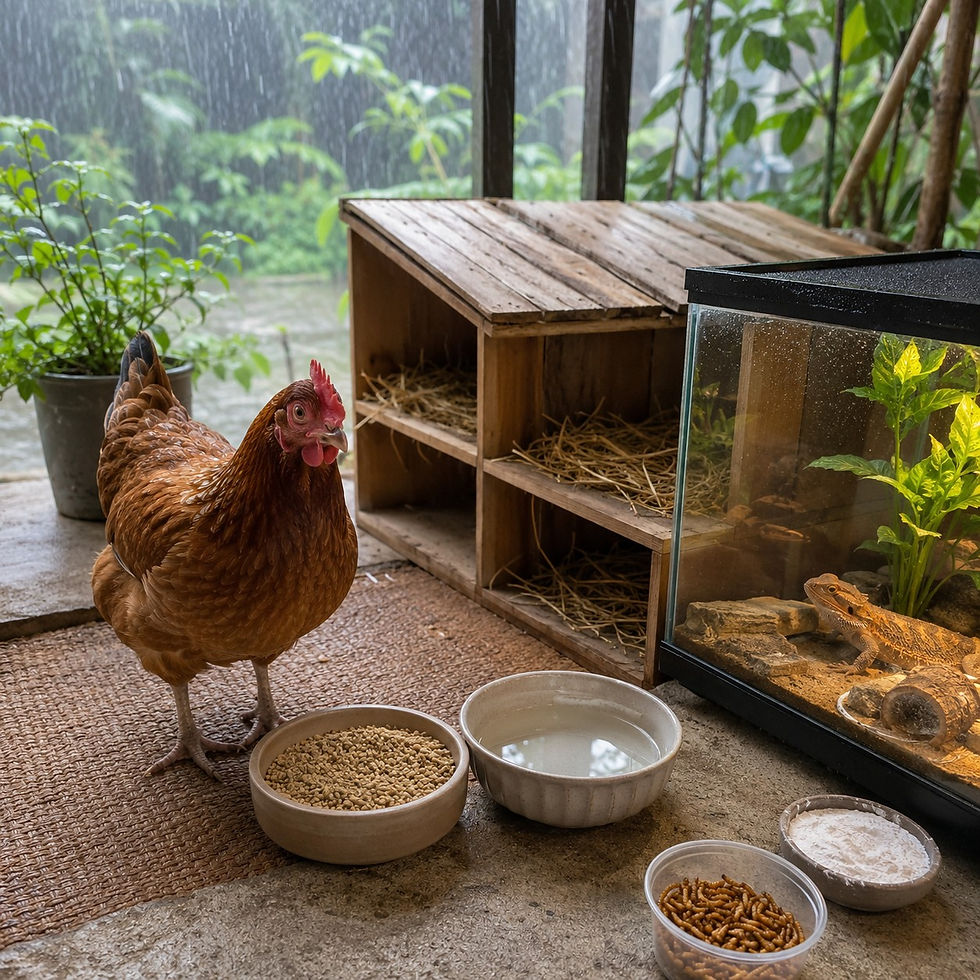
Breeding pets need stable nutrition, not random heavy feeding. Birds, reptiles, fish, and poultry need the right balance of protein, minerals, vitamins, clean water, and safe enclosure conditions. For egg-laying birds and hens, protein helps egg formation, but calcium is very important for shell strength. Vitamin D and sunlight or UVB care also matter, especially for reptiles and birds.
Mealworms and other insects can support breeding diets when used properly, especially when the normal diet is low in animal protein. But they are not a miracle egg booster. Better egg quality depends on complete nutrition, calcium, hydration, age, health, stress level, and proper housing. If eggshells are thin, eggs are very small, or birds look weak, check the full diet and consult an expert.
For breeding reptiles, live insects like crickets, mealworms, roaches, and occasional superworms can be helpful, but calcium gut loading and dusting are important. For breeding fish, high-protein food can support conditioning, but overfeeding can spoil water and harm eggs or fry. For poultry, balanced layer feed should remain the base, with insects used as a protein-rich supplement.
Species-Wise Monsoon Diet Tips
For dogs and cats, keep the main diet complete and balanced. Avoid sudden rich foods and too many treats. Keep bowls clean and water fresh. For birds, keep seeds and feed dry, add safe protein only according to species, and never allow damp cage floors. For reptiles, use safe live insects, gut loading, calcium support, correct heat, and UVB. For fish, feed less if they are inactive and remove uneaten food. For poultry, keep feed dry and support eggs with protein, calcium, and clean water. For small pets, avoid damp bedding and hidden stale food.
Each pet has different needs, so do not copy one animal’s diet for another animal. A gecko, parrot, fish, chicken, hamster, dog, and cat cannot follow the same rainy season diet.
Simple Monsoon Diet Plan for Pet Owners

Start the day by checking food smell, texture, and storage area. Give fresh food in the right portion. Remove leftovers. Change drinking water. Check the enclosure floor, bedding, or tank. Offer protein-rich treats only in controlled amounts. For insect-eating pets, offer healthy live insects of the correct size. For reptiles, use calcium support as needed. For fish, avoid extra feeding if water quality is not stable. At night, check for wet corners, leftover food, insects, and dirty bowls.
This simple daily habit can prevent many rainy season problems before they become serious.
Best monsoon diet for pets means fresh food, safe protein, clean water, dry storage, and species-specific feeding. High-protein foods can support normal immunity, strength, growth, skin health, feathers, scales, and breeding condition, but they should not be used as a cure or shortcut. The safest approach is balance.
Live insects like mealworms, crickets, superworms, and roaches can be excellent high-protein add-ons for insect-eating pets. Crickets are the best all-round choice, mealworms are the easiest regular feeder, superworms are best as an occasional rich treat, and roaches are useful for larger predator pets. Use them correctly, keep them clean, and never ignore calcium needs for reptiles.
This monsoon, protect your pets with clean feeding, dry shelter, safe storage, and better protein choices. For natural high-protein feeding options, explore Promeal live and dried insects and give your pets nutrition that supports active, healthy, and natural feeding behavior.
At Promeal, we know how important it is to give your pets a healthy and varied diet. That’s why we create high-quality, natural pet food to keep them happy and healthy. Our speciality is premium live and dried insect-based feeds like mealworms, superworms, crickets, roaches, waxworms, and hornworms. These insects are grown on an organic diet, making them a nutritious and tasty treat for your pets.
Check out our "Shop" section to find the perfect food for your pets!


Comments