
Best Foods for Birds in Monsoon: What to Feed & What to Avoid?
- Sanket Shinde

- 7 hours ago
- 10 min read
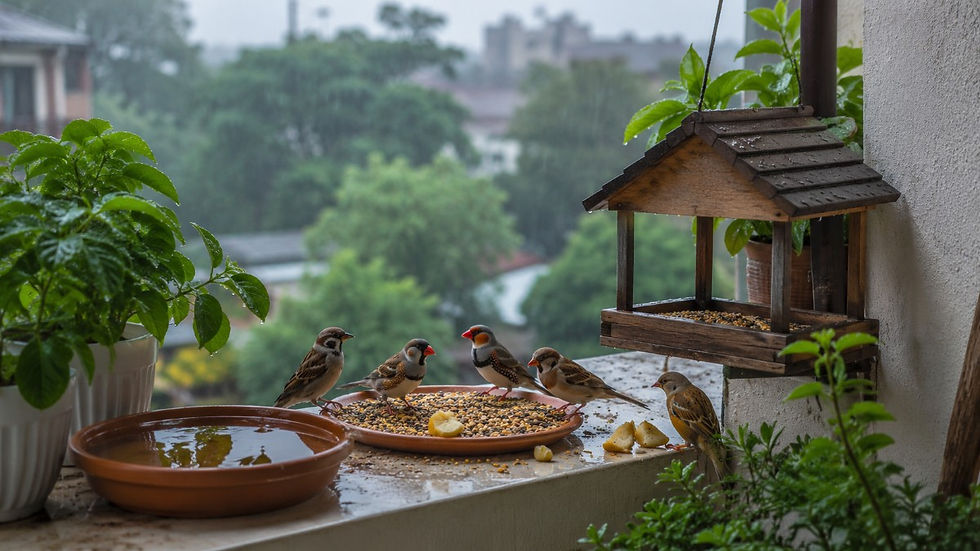
Best foods for birds in monsoon should be fresh, clean, dry, and safe. During the rainy season, many people feed birds with love, but wrong food can harm them. Rain and humidity can spoil food quickly. Seeds can become wet, fruits can ferment, and dirty water bowls can spread germs. That is why bird feeding in monsoon should be done with extra care.
Birds may find many natural foods during monsoon, such as insects, soft fruits, seeds, and fresh greenery. But heavy rain can also make feeding difficult, especially for balcony birds, garden birds, and pet birds. If you keep food outside, it can become moldy very fast. Wet and stale food is one of the biggest dangers for birds in rainy season.
The goal is not to feed birds more. The goal is to feed them better. Clean food, fresh water, dry feeding spots, and regular cleaning can help birds stay healthy during monsoon. This guide will help you understand what to feed birds in rainy season, what foods to avoid, and how to make bird feeding safe.
Why Bird Food Needs Extra Care in Monsoon?

Monsoon brings moisture everywhere. This moisture can make bird food unsafe. Dry seeds can absorb water. Grains can smell bad. Fruits can become sour. Feeders can collect old seed waste, droppings, and rainwater. When birds eat from such places, they may face digestive problems, fungal infections, or weakness.
Birds often come to feeders in groups. If one bird is sick and the feeder is dirty, the infection can spread to other birds. This is why bird feeder hygiene is as important as bird food. A clean feeder protects birds better than a feeder filled with too much food.
For pet birds, monsoon can also create problems inside the cage. Damp perches, wet cage floors, spoiled fruits, and dirty bowls can affect their health. Pet birds need dry cages, fresh food, clean water, and good airflow without cold wind.
What Makes Food Safe for Birds in Rainy Season?
Safe food for birds in monsoon should be fresh, natural, and suitable for the bird. It should not be salty, spicy, oily, sugary, stale, or moldy. Food should be given in small amounts so birds can finish it before it becomes wet.
The best rule is simple. Feed small portions and remove leftovers quickly. Do not keep a full tray of food outside for the whole day. If rain touches the food, remove it. Do not dry wet food again and reuse it. Once food becomes wet and dirty, it is not safe.
Storage is also important. Keep bird seeds, grains, dried insects, and other bird food in airtight containers. Store them in a cool and dry place. Before feeding, check the smell and texture. If the food smells bad, looks dusty, feels sticky, or has fungus, do not feed it.
Best Foods for Birds in Monsoon

The best foods for birds in monsoon include dry seeds, small grains, clean fruits, fresh water, and protein-rich insects for the right birds. These foods should be offered in small amounts and kept away from direct rain.
Sunflower seeds are a good food for many seed-eating birds. They provide energy and are easy for many birds to eat. Sunflower hearts are also useful, but they can spoil quickly if they become wet. During monsoon, give only a small quantity and clean the feeder often.
Millets and small grains like bajra can be useful for many small birds. They should be dry, clean, and fresh. Do not throw grains directly on wet ground because they can mix with mud, droppings, and dirty water. A clean tray or covered feeder is a better choice.
Fresh fruits can be given to fruit-eating birds in small amounts. Use safe fruits, cut them into small pieces, and remove uneaten pieces quickly. In rainy season, fruits should not stay outside for many hours because they can ferment and attract ants, flies, and other pests.
Clean drinking water is very important even during monsoon. Birds should not depend on dirty puddles or collected rainwater. Keep a shallow bowl of fresh water and wash it daily. Fresh water is one of the easiest and most helpful things you can give birds.
Live Insects for Birds in Monsoon

Live insects can be a good protein food for insect-eating birds and some pet birds. Live mealworms, superworms, crickets, and roaches are common feeder insects, but they should be used carefully and only for birds that naturally eat insects.
Among these, live mealworms are the best overall option for most bird-feeding situations. They are smaller, easier to serve, easier to control, and widely accepted by many insect-eating birds. They are also better for small-portion feeding during monsoon.
Superworms are larger and fattier, so they should be given only as an occasional treat for bigger birds. Crickets can be useful for larger insect-eating birds, but they jump and need careful handling. Roaches should be used only when they are clean, captive-bred feeder insects and suitable for the bird species.
Never collect random insects from outside. Wild insects may carry pesticides, parasites, or harmful chemicals. Always use hygienic, captive-bred live insects from a trusted source. Offer them in a smooth bowl so they do not escape, and remove uneaten insects after feeding.
Foods You Should Avoid Feeding Birds in Monsoon

Bread is one of the most common foods people give birds, but it is not a good bird food. Bread has poor nutrition and can become wet and moldy very quickly in monsoon. Biscuits, toast, cakes, and bakery items should also be avoided because they may contain sugar, salt, oil, and artificial ingredients.
Do not feed birds salty snacks, fried food, namkeen, chips, spicy food, or leftover human meals. These foods are made for human taste, not for bird health. Birds need natural food, not oil, masala, salt, and processed snacks.
Milk and dairy products should also be avoided. Most birds are not meant to digest dairy foods like milk, cheese, cream, paneer, or sweet milk items. These foods can disturb digestion and should not be used in bird feeding.
Wet, stale, or moldy seeds should never be given. If seeds smell bad, feel sticky, or show fungus, throw them away. Peanuts and corn should be handled with extra care during rainy weather because poor storage can make them unsafe.
Do not give spoiled fruits, raw meat, oily chapati, sweets, chocolate, honey water, sugary drinks, or kitchen waste. These foods can attract pests and may harm birds. In monsoon, unsafe food becomes dangerous faster because moisture supports spoilage.
How to Feed Birds Safely During Monsoon?
The safest way to feed birds in rainy season is to keep the feeding area dry. Place the feeder under shade where rainwater cannot fall directly on the food. A raised feeder is better than food kept on the ground.
Give only the amount birds can finish in a short time. If food remains every day, reduce the quantity. This prevents waste and keeps the feeding place cleaner. During heavy rain, avoid open feeding because food will become wet quickly.
Clean the feeder before adding fresh food. Do not put new seeds over old seeds. Old food, droppings, and moisture can create a dirty layer inside the feeder. Wash trays and bowls properly, dry them, and then refill.
Also clean the ground below the feeder. Fallen seeds and fruit pieces can attract rats, ants, and insects. A clean area protects birds and also keeps your home safe.
Bird Feeder Hygiene in Rainy Season

Bird feeder hygiene is very important during monsoon bird care. Dirty feeders can spread disease. Wet food, droppings, and old seed shells can create a risky feeding spot. Cleaning should be part of your daily feeding routine.
Water bowls should be washed every day. Feeders should be cleaned often, especially when rainwater enters them. If a feeder smells bad or has sticky food inside, clean it immediately. After washing, dry it properly before adding new food.
If you see a sick bird near your feeder, stop feeding for some time and clean the full area. A sick bird may look weak, dull, fluffed up, or inactive. It may sit in one place for a long time or breathe in an unusual way. Do not touch wild birds directly. Contact a local bird rescue or veterinarian if the bird is injured or very weak.
Pet Bird Feeding During Monsoon
Pet birds like parrots, budgies, cockatiels, lovebirds, finches, and canaries need a balanced diet during monsoon. Seeds alone are not enough for many pet birds. Their diet should match their species and may include proper bird feed, safe vegetables, limited fruits, and clean water.
Fresh food should not stay inside the cage for too long during humid weather. Fruits and vegetables can spoil quickly in monsoon. Remove uneaten fresh food after a short time and wash the food bowl daily.
If you give live insects to pet birds, first check whether that bird naturally eats insects. Some birds can benefit from insect protein, while others do not need it regularly. Always feed the correct size insect and never force large insects on small birds.
Enclosure and Shelter Setup During Monsoon
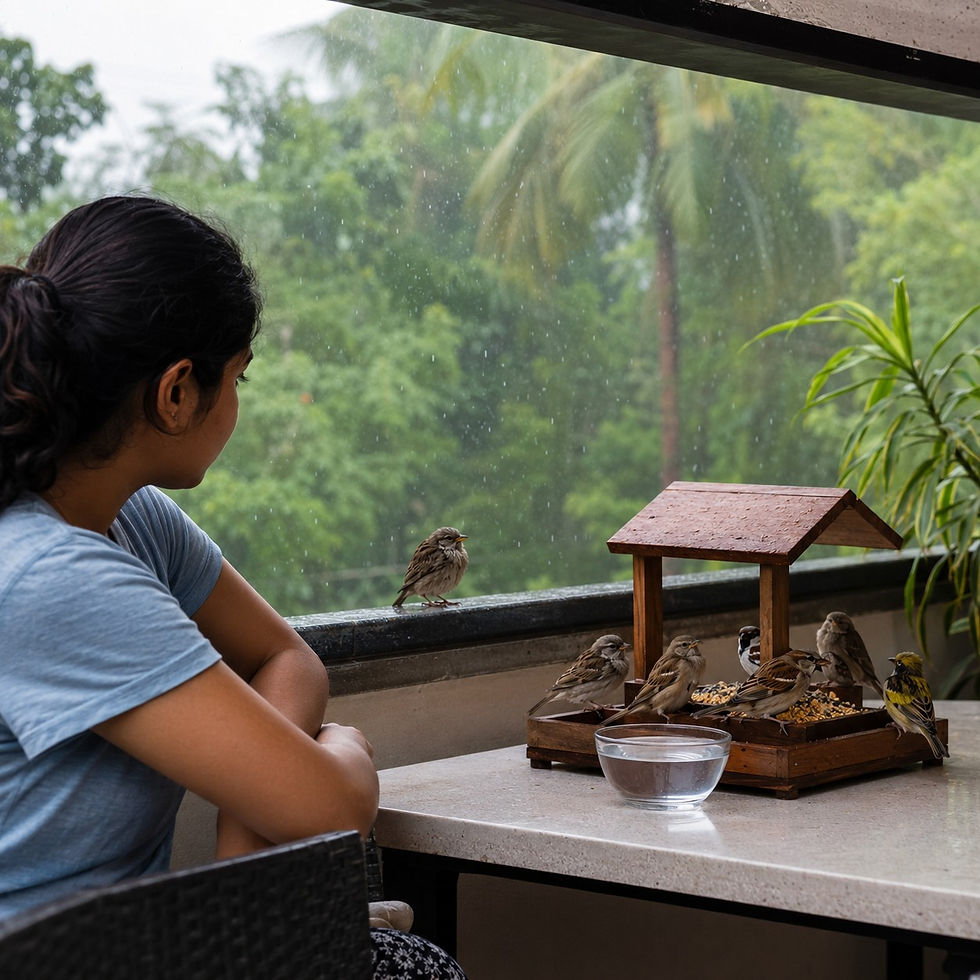
For balcony and garden birds, keep the feeding place safe and dry. The feeder should not be near cats, dogs, wet wires, or slippery surfaces. It should be placed at a safe height and protected from direct rain.
For pet birds, keep the cage away from rain splash, damp walls, and cold wind. Good airflow is important, but strong drafts can stress birds. The cage floor should stay dry, and paper lining should be changed often.
If birds are kept in an aviary, check the roof, drainage, feeding station, and nesting areas. Avoid waterlogging. Keep food storage inside a dry place. Do not use strong chemicals near birds to control insects or fungus.
Health Precautions and Common Disease Risks
Monsoon can increase the risk of fungal growth, bacterial infection, digestive upset, and respiratory stress in birds. Wet food and dirty water are two major causes of preventable health problems.
Watch bird behavior carefully. A healthy bird is alert, active, and responsive. A sick bird may become quiet, stop eating, fluff its feathers, breathe heavily, or show abnormal droppings. In pet birds, any sudden change in food intake, droppings, or breathing should be taken seriously.
Do not use random home remedies. Do not add medicines, spices, salt, or human supplements to bird food without expert advice. For pet birds, speak to an avian vet. For wild birds, contact local rescue support if needed.
Breeding Season Care During Monsoon
Monsoon is also an important time for many birds because natural food increases and some birds may breed or raise young. During this time, birds need safe surroundings, calm spaces, and good nutrition.
Do not disturb nests. Do not touch eggs or chicks. Do not move a nest unless there is a real emergency and a rescue expert guides you. Many young birds leave the nest before they can fly perfectly. These young birds may look helpless, but their parents may still be feeding them nearby.
If you want to help breeding birds, keep the area safe. Keep cats away, avoid loud disturbance near nests, do not spray pesticides, and provide clean water. Small amounts of live mealworms can support insect-eating birds, but they should be offered safely and hygienically.
Common Monsoon Bird Feeding Mistakes

One common mistake is overfeeding. More food does not always mean better care. Extra food can become wet, dirty, and unsafe. Feed only what birds can finish.
Another mistake is giving bread, biscuits, and leftover human food. These foods are easy to offer, but they are not healthy for birds. Birds need natural and safe food.
Many people refill feeders every day but do not clean them. This is risky. A dirty feeder can become more harmful than helpful. Always clean before refilling.
Throwing food on wet ground is also unsafe. Food can mix with mud, droppings, and rainwater. A dry, raised feeder is much better.
Simple Daily Monsoon Bird Feeding Routine
In the morning, offer a small amount of fresh dry food. Check that the feeder is clean and protected from rain. Keep fresh water in a shallow bowl.
During the day, check whether the food has become wet. If it is wet, remove it. Do not wait till evening because wet food can spoil fast.
In the evening, remove leftovers and wash the water bowl. Clean fallen seeds or fruit pieces under the feeder. Once or twice a week, deep clean the feeder and let it dry fully before reuse.

Best foods for birds in monsoon should be clean, fresh, dry, and safe. Birds do not need stale leftovers, bread, or large amounts of food. They need careful feeding, clean water, and a hygienic place to eat.
During rainy season, avoid bread, biscuits, stale food, wet seeds, salty snacks, dairy, and spoiled fruits. Choose safer foods like dry seeds, millets, fresh water, small fruit portions, and live mealworms for insect-eating birds. Keep feeders clean and remove leftovers daily.
If you care for birds, feed them with responsibility. For more simple bird care, pet nutrition, and live insect feeding tips, follow Promeal and choose clean, safe, high-quality nutrition for your birds and pets.
FAQs About Best Foods for Birds in Monsoon
What is the best food for birds in monsoon?
The best food for birds in monsoon is fresh, dry, clean, and suitable for the bird. Good options include sunflower seeds, millets, safe fruits, clean water, and live mealworms for insect-eating birds.
Can birds eat bread in rainy season?
No, bread is not a good food for birds in rainy season. It has poor nutrition and can become wet and moldy quickly.
Are live mealworms good for birds?
Yes, live mealworms are good for many insect-eating birds when given in small amounts from a clean source. They are the best live insect option for most general bird-feeding needs.
Are superworms, crickets, and roaches good for birds?
They can be useful for some larger insect-eating birds and pet birds, but they should be fed carefully. Superworms are fatty, crickets can escape, and roaches should be clean and captive-bred.
How do I keep bird food dry in monsoon?
Use a covered feeder, place it under shade, give small portions, and remove wet food quickly. Store extra food in an airtight container.
Can pet birds eat only seeds in monsoon?
No, many pet birds need more than seeds. A seed-only diet can be unbalanced. Pet birds need a proper species-based diet with clean water and safe fresh food.
At Promeal, we know how important it is to give your pets a healthy and varied diet. That’s why we create high-quality, natural pet food to keep them happy and healthy. Our speciality is premium live and dried insect-based feeds like mealworms, superworms, crickets, roaches, waxworms, and hornworms. These insects are grown on an organic diet, making them a nutritious and tasty treat for your pets.
Check out our "Shop" section to find the perfect food for your pets!


Comments