
Axolotl Aquarium Setup for Beginners: Tank Size, Water & Setup Guide


Many beginners are fascinated by axolotls because of their unique appearance and feathery gills. However, a wrong tank setup is the main cause of axolotl illness. Axolotls are sensitive amphibians, and their health depends mainly on the environment you provide. A proper axolotl aquarium setup ensures your pet is stress-free, active, and healthy. This guide covers tank size, water parameters, filtration, cooling, substrate, decorations, and common setup mistakes to help beginners create the perfect habitat. To understand overall daily care, stress reduction, and long-term responsibility, refer to Axolotl Care Guide: Everything You Need to Know before setting up the tank.
1. Axolotl Tank Size Explained
One of the first things to consider in axolotl care is tank size. Axolotls can grow to 9–12 inches, and they produce a lot of waste. Small tanks can quickly accumulate toxins, which may harm your pet. For a single axolotl, a minimum tank size of 20 gallons (~76 liters) is recommended. Larger tanks are better because they provide more swimming space and help maintain stable water conditions.
Space is important because axolotls need room to move, rest, and explore. Crowding the tank can lead to stress, aggressive behavior, and slower growth. If you plan to keep multiple axolotls, increase the tank size by 10–15 gallons (~38 liters to ~57 liters) per additional axolotl. Remember, axolotls spend most of their time at the bottom, so the tank should be wide rather than tall. Tank size decisions should always align with general care principles covered in Axolotl Care Guide: Everything You Need to Know.
2. Water Parameters for Axolotls

Water is the most critical part of an axolotl’s habitat. Axolotls are cold-water amphibians and cannot tolerate warm water. The ideal axolotl water temperature is 16–18°C (60–64°F). Water above 20°C can cause stress, reduce appetite, and increase the risk of fungal infections.
Maintaining good water quality is equally important. Axolotls are sensitive to ammonia, nitrite, and nitrate. All new tanks must go through a cycling process to establish beneficial bacteria that break down toxins. A properly cycled tank ensures clean and safe water, reducing stress and disease risk.
pH should remain between 6.5 and 8, and water should be free of chlorine and chloramine. Use dechlorinated tap water or aged water. Regular partial water changes of 20–30% weekly help maintain healthy conditions. Beginners should test water parameters regularly to prevent issues like fungal infections or gill damage. Poor water quality often results in fungal and bacterial issues discussed in Axolotl Diseases and Treatment: Complete Health Care Guide.
3. Cycling the Tank: Step-by-Step
A cycled tank is essential for axolotls. Cycling allows beneficial bacteria to grow, converting harmful ammonia into nitrite and then nitrate. Follow these steps:
Set up the tank with water, substrate, decorations, and a filter.
Add an ammonia source (fish food or pure ammonia) to feed the bacteria.
Test water regularly for ammonia, nitrite, and nitrate levels.
Wait 4–6 weeks for ammonia and nitrite to drop to zero while nitrates increase.
Perform partial water changes as needed to keep nitrate below 20 ppm.
A fully cycled tank ensures your axolotl starts life in safe, stable water, reducing stress and health risks.
4. Filters & Cooling

Many beginners ask, do axolotls need a filter? Yes, but with care. Axolotls produce a lot of waste, so a gentle filtration system is necessary. Strong water currents can stress them and damage their delicate gills. Sponge filters and low-flow hang-on-back filters are ideal. These filters provide mechanical and biological filtration without creating strong currents.
Cooling is essential in warm climates. Axolotls cannot tolerate water above 22°C for long periods. You can use aquarium chillers, fans for evaporative cooling, or place the tank in a cool, shaded room. Stable water temperatures prevent stress, fungal infections, and loss of appetite, ensuring healthy growth.
5. Substrate & Decorations
Choosing the right substrate is critical. Small gravel is dangerous because axolotls can accidentally swallow it, leading to impaction or death. Safe options include bare-bottom tanks or fine sand, allowing natural digging without risk.
Decorations like rocks, caves, and plants provide hiding spots, which help reduce stress. Axolotls spend a lot of time hiding, especially during the day. Avoid sharp or rough decorations, as axolotls can injure themselves on jagged edges. Soft plastic plants, smooth stones, and PVC pipes are ideal choices for a safe, natural-feeling environment.
6. Common Setup Mistakes
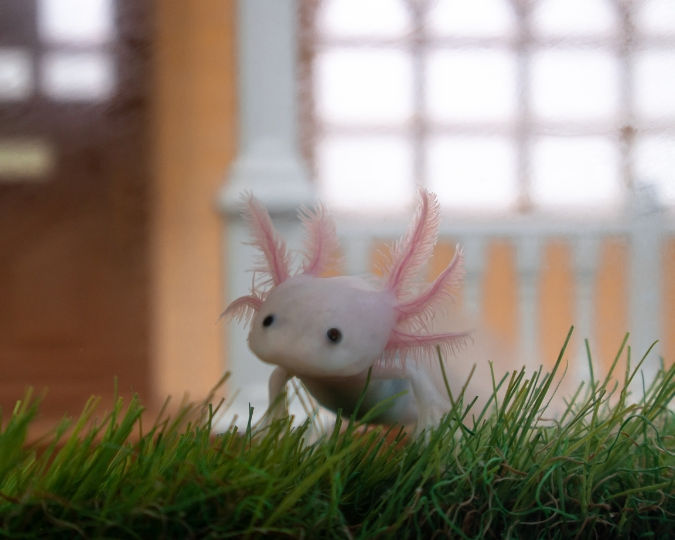
Many axolotl owners make mistakes that harm their pets. Gravel substrate, warm water, strong currents, and overcrowding are the most common issues. Gravel can cause blockages if ingested, and warm water leads to stress and fungal infections. Strong filtration creates high water flow, which damages gills. Overcrowding can result in aggression and stress.
Beginners should avoid adding fish or other tankmates that may bite or stress axolotls. Stick to a single species per tank unless carefully monitored. Proper hiding spots and enough space reduce stress and ensure peaceful cohabitation. Warm water, stress, and injuries caused by poor setup often lead to problems detailed in Axolotl Diseases and Treatment: Complete Health Care Guide.
7. Step-by-Step Beginner Setup Guide
Choose the right tank – at least 20 gallons for one axolotl.
Add substrate – fine sand or bare bottom only.
Decorate carefully – include caves, hiding spots, and smooth stones.
Install a gentle filter – sponge or low-flow type.
Fill with dechlorinated water – check pH and temperature.
Cycle the tank – 4–6 weeks to build beneficial bacteria.
Monitor water parameters – ammonia, nitrite, nitrate, and pH—weekly.
Add cooling options – aquarium chiller, fans, or room placement.
Introduce your axolotl – ensure stable water and stress-free conditions.
Following this guide ensures your axolotl lives in a healthy, safe, and stress-free environment.
8. Maintaining a Healthy Tank

Even after setup, maintenance is key. Perform weekly partial water changes, remove uneaten food promptly, and monitor water parameters. Check the filter regularly to prevent clogs or strong currents. Observe your axolotl for signs of stress, illness, or unusual behavior. A well-maintained tank keeps your axolotl active, healthy, and happy for years. Removing leftover food is easier when feeding correctly, as explained in Axolotl Diet & Feeding Guide: How to Feed Your Axolotl Properly.
A proper axolotl aquarium setup is essential for the health and well-being of your pet. Tank size, water parameters, filtration, cooling, substrate, and decorations all play critical roles. Avoid common mistakes like gravel substrate, warm water, strong currents, and overcrowding. By following these guidelines and maintaining a stable, calm environment, your axolotl can thrive and live a long, healthy, and stress-free life.
Along with proper tank setup, correct nutrition from Axolotl Diet & Feeding Guide: How to Feed Your Axolotl Properly helps prevent stress and disease.
At Promeal, we know how important it is to give your pets a healthy and varied diet. That’s why we create high-quality, natural pet food to keep them happy and healthy.
Our speciality is premium live and dried insect-based feeds like mealworms, superworms, crickets, roaches, waxworms, and hornworms. These insects are grown on an organic diet, making them a nutritious and tasty treat for your pets.
Check out our "Shop" section to find the perfect food for your pets!


tg88 có cách sắp xếp giao diện khá hợp mắt mình, nhìn vào không thấy bị rối ngay từ đầu. Mình mới lướt một chút nên chưa có gì để nói về nội dung hay chất lượng bên trong, chủ yếu để ý xem trang bố trí ra sao thôi. Có những trang vừa mở lên là mình phải ngó quanh một hồi mới biết nên tìm ở đâu, còn ở đây các mục tách ra khá rõ nên đỡ mất công hơn. Kiểu trình bày này không quá lạ nhưng với người chỉ muốn xem sơ như mình thì cũng tiện. Mình thích việc chưa cần bấm qua nhiều chỗ vẫn hình dung được trang có những phần gì.…
8xbet thấy chủ đề kiểu “cập nhật link vào trang chủ chính thức 2026” nên mình để ý thử xem họ trình bày thông tin có dễ theo dõi không, và đúng là lướt cái là nắm được bố cục luôn vì các khối nội dung chia ra rõ ràng, đoạn tổng quan về hệ thống uy tín để riêng nên đọc nhanh, không phải kéo qua lại nhiều. Mình thích kiểu họ viết gọn gàng, nhìn đỡ rối mắt. Menu để chỗ dễ thấy. Cuộn xuống mượt. Có cái bảng theo dõi trạng thái đường dẫn truy cập của hệ thống nhìn như bảng kiểm, dạng cột thẳng hàng nên liếc là biết tình trạng hiển thị ngay.
cakhiatv lúc đầu mình cũng hơi nghi ngại, kiểu sợ lại thêm một trang xem bóng đá “treo đầu dê bán thịt chó” với banner che hết màn hình, mà vào rồi thì thấy đỡ mệt hơn mình tưởng khá nhiều. Giao diện nhìn thoáng, kéo xuống cái là thấy lịch trận được chia theo giải nên mình lướt một vòng là biết hôm nay có gì, không phải đọc cả đống chữ nhỏ xíu như mấy chỗ khác. Mình chỉ thử trên điện thoại rồi qua máy tính cho vui, layout vẫn giữ ổn, bấm qua lại không bị nhảy lung tung. Có đoạn họ để rõ Full HD 1080p với 60fps ngay khu vực hiển thị trận, nhìn…
https://aplicativo.br.com/ Entrei meio no impulso, só pra entender como eles montam as páginas, e acabei ficando um tempinho fuçando. O que achei mais útil é que não fica aquela sensação de “texto solto”: dá pra ver rapidinho de onde vem a informação e quando foi a última verificação, bem na cara. Isso passa uma confiança boa, porque pelo menos você sabe se tá olhando algo recente ou não. Também curti que o site não tenta te empurrar ranking nem nada, parece mais uma ficha organizada pra você comparar sem dor de cabeça. A navegação é bem direta e as páginas seguem um padrão de ficha com fonte oficial e data de verificação aparecendo logo no topo.
98WIN mình mới ghé thử vì thấy nhiều người nhắc, kiểu vào xem giao diện với cách họ trình bày thôi. Vừa mở ra là thấy trang chia thành từng khối nội dung khá mạch lạc, kéo xuống không bị rối mắt. Mình có đọc lướt phần giới thiệu thì thấy họ ghi ra mắt từ tháng 12 2018 và đặt trụ sở ở Luân Đôn, thông tin kiểu “để đó ai tò mò thì xem”. Cái mình thích là tiêu đề to rõ, nhìn cái là biết đang ở đoạn nào, chữ không bị dồn dập. Mấy đoạn nội dung được ngắt khúc hợp lý nên đọc nhanh cũng dễ bắt ý, nhất là các heading và box thông…