
Guppy Fish Food – Best Diet and Feeding Guide


Guppy fish food plays a major role in the health, color, growth, and lifespan of guppies. Many health problems in guppies begin because of poor diet or overfeeding. Understanding what guppy fish eat, how often to feed them, and which foods to avoid will help keep guppies active and disease-free. This guide explains the best food for guppy fish, feeding schedules, and special care for baby guppies in very simple words. For a complete understanding of guppy health, maintenance, and daily care, read Guppy Fish Care Guide – Complete Beginner to Advanced Guide.
1. What Do Guppy Fish Eat?
To understand guppy fish food, it is important to know their natural diet. Guppies are omnivorous fish, which means they eat both plant-based and animal-based foods. In the wild, guppies feed on algae, tiny insects, mosquito larvae, small worms, and plant matter found in water.
This omnivorous behavior means guppies need a balanced diet. Feeding only one type of food can cause nutrient deficiency. A mix of dry food, live food, and plant-based food provides complete nutrition. When people ask what guppy fish eat, the answer is simple: they eat small foods that fit in their mouths and provide protein, fiber, vitamins, and minerals.
2. Best Food for Adult Guppy Fish

Choosing the best food for guppy fish helps improve color, immunity, and breeding ability. Adult guppies are easy to feed, but food quality matters more than quantity.
High-quality flakes are one of the most common types of guppy fish food. Flakes should be small, soft, and rich in protein. They should sink slowly so guppies can eat them easily. Cheap flakes with fillers should be avoided because they pollute water and provide poor nutrition.
Pellets are another option for adult guppies. Pellets must be micro-sized and made for small tropical fish. Large pellets are difficult for guppies to eat and often go to waste. Pellets are more compact and nutritious when compared to flakes, but they must be fed carefully to avoid overfeeding.
Live food is considered the best food for guppy fish when given in moderation. Live foods like brine shrimp, daphnia, mosquito larvae, and bloodworms provide natural protein and improve color and growth. However, live food should be clean and disease-free. Feeding live food too often can cause digestive problems.
Frozen foods are a safer alternative to live foods. They offer similar nutrition without the risk of parasites. Frozen food should always be thawed before feeding.
Vegetable matter is also important in guppy fish food. Blanched spinach, lettuce, and peas help digestion and prevent bloating. Plant-based food should be given once or twice a week. Learning about natural feeding behavior is easier when combined with the information in Guppy Fish Care Guide: Beginner Se Advanced Tak.
3. Feeding Schedule for Guppies
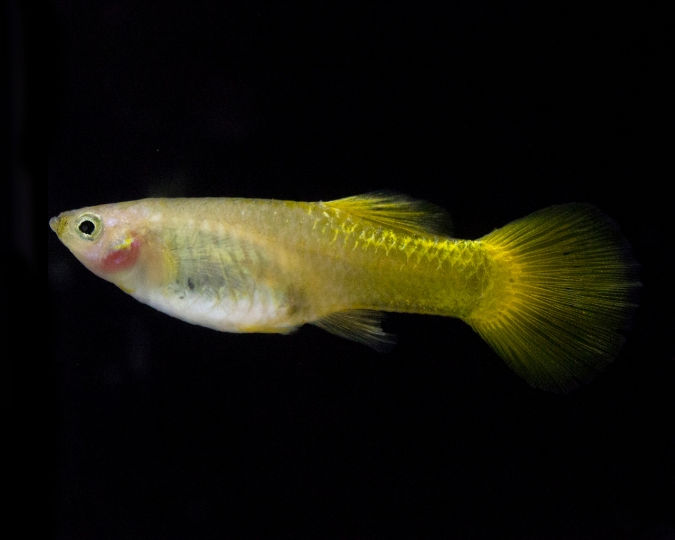
A proper feeding schedule is essential when feeding guppy fish food. Overfeeding is one of the most common mistakes made by beginners.
Adult guppies should be fed one to two times a day. Each feeding should last no more than 30 to 60 seconds. Guppies should finish all the food quickly. Any leftover food should be removed to maintain water quality.
Small portions are always better than large meals. Guppies have small stomachs, and excess food leads to obesity, poor digestion, and dirty water. Feeding too much food does not make guppies grow faster. It only increases health risks.
One fasting day per week is beneficial. Skipping food for one day helps clear the digestive system and reduces bloating. This practice improves long-term health and keeps guppies active.
4. Food for Baby Guppy Fish (Fry)

Guppy fry food is very different from adult food. Baby guppies are born very small and need special care. Feeding the wrong food is a common reason for fry death.
Newborn guppies need very fine food that fits their tiny mouths. Commercial baby guppy fish food or fry powder is the safest option. These foods are rich in protein and designed for fast growth.
Crushed flakes can also be used as guppy fry food. The flakes must be crushed into a fine powder so fry can eat them easily. Hard or large particles should be avoided.
Live foods like newly hatched brine shrimp are excellent for fry. They provide high protein and support fast growth. Fry fed with live food usually grow faster and develop better color.
Baby guppies should be fed 3 to 5 times a day in very small amounts. Frequent feeding is important because fry burn energy quickly. However, overfeeding must still be avoided to keep water clean.
As fry grow bigger, they can slowly be introduced to regular guppy fish food. Overfeeding can quickly affect water quality, as explained in Guppy Fish in Monsoon Tanks: Avoiding Ammonia Spikes & Sudden Stress Factors.
5. Foods to Avoid

Not all foods are as safe as guppy fish food. Some foods cause serious health problems and should never be fed.
Human food like bread, biscuits, rice, or cooked food should be avoided. These foods swell in water, cause bloating, and pollute the tank. They do not provide proper nutrition.
Spicy, salty, or oily foods are dangerous for guppies. Guppies cannot digest these items, and feeding them may lead to death.
Overfeeding itself is a major danger. Too much food causes ammonia buildup, bacterial growth, and oxygen loss in the tank. Even the best food for guppy fish becomes harmful if fed in excess.
Hard foods that do not soften in water should be avoided. Guppies may choke or suffer mouth injuries.
6. Can Guppies Eat Mealworms?
Many fish keepers ask if guppies can eat mealworms. Mealworms are high in protein, but they are not ideal guppy fish food. Dried mealworms are too hard and large for guppies to digest properly.
Very small, crushed, or powdered mealworms can be fed occasionally as a treat, but not as a regular diet. Mealworms lack balance and can cause digestive problems if fed often. Safer protein options like brine shrimp and daphnia are better choices. Proper nutrition is especially important for breeding fish, which is discussed further in Guppy Fish Breeding—Complete Step-by-Step Guide. Guppy fish food is the foundation of healthy, colorful, and long-living guppies. A balanced diet that includes high-quality flakes or pellets, occasional live or frozen foods, and some plant matter keeps guppies active and disease-free. Following the correct feeding schedule, giving small portions, and avoiding overfeeding are just as important as choosing the right food. Baby guppies need special fine food and frequent feeding to grow properly, while unsafe or human foods should always be avoided. With proper guppy fish food and careful feeding habits, guppies thrive, show brighter colors, and live a healthier life. Along with proper nutrition, a suitable environment is essential, so be sure to read Guppy Fish Tank Setup Ka Complete Beginner's Guide.
FAQ – Guppy Fish Food & Feeding
1. Can guppies eat bread?
No, guppies should not eat bread. Bread swells in water, which can cause bloating and digestion problems. It also pollutes the tank water, increasing the risk of poor water quality and disease.
2. How long can guppies go without food?
Healthy adult guppies can survive 5 to 7 days without food. This should only happen occasionally. Regular feeding is important to maintain energy, growth, and overall health.
3. What do guppy fish eat daily?
Guppies eat small portions of flakes or micro pellets as their daily food. Adding occasional live or frozen food provides extra nutrition and supports better color and activity.
4. How many times a day should guppies be fed?
Adult guppies should be fed 1 to 2 times per day. Each feeding should be a small amount that they can finish within 30 to 60 seconds to avoid overfeeding.
5. Can guppies eat live food every day?
Live food should not be fed daily. Live food is high in protein, and too much can cause digestive issues. Feeding live food 2 to 3 times a week is safer and healthier.
6. What is the best food for baby guppy fish?
Baby guppies need very fine food, such as fry powder or crushed flakes. High-protein fry food helps baby guppies grow faster and develop strong immunity.
At Promeal, we know how important it is to give your pets a healthy and varied diet. That’s why we create high-quality, natural pet food to keep them happy and healthy. Our speciality is premium live and dried insect-based feeds like mealworms, superworms, crickets, roaches, waxworms, and hornworms. These insects are grown on an organic diet, making them a nutritious and tasty treat for your pets.
Check out our "Shop" section to find the perfect food for your pets!


Comments