
Guppy Fish Care Guide – Complete Beginner to Advanced Guide


This guppy fish care guide is written for anyone who wants to keep guppies healthy, active, and colorful in a home aquarium. Guppy fish are one of the most popular freshwater fish because they are peaceful, adaptable, and easy to maintain. Many hobbyists choose them as their first fish, making them ideal for beginners. When basic care rules are followed, guppies live happily and show natural behavior. This guide explains how to take care of guppy fish step-by-step, from beginner level to advanced care.
1. What Is a Guppy Fish?

Guppy fish are small freshwater fish known for their bright colors and flowing tails. They belong to the Poeciliidae family and are livebearers, meaning they give birth to live baby fish instead of laying eggs. The scientific name of guppy fish is Poecilia reticulata.
In the wild, guppy fish are found in freshwater ponds, streams, and slow-moving rivers. They originally come from South America and nearby regions. Many people ask, are guppy fish tropical? Yes, guppies are tropical fish and need warm water to survive. Their ability to adapt to different water conditions makes them popular worldwide. For a broader overview of guppy behavior, habitat, and long-term maintenance, you can also read Guppy Fish Care Guide: Beginner Se Advanced Tak.
2. Are Guppy Fish Good for Beginners?
Guppies are considered one of the best fish for beginners. They are hardy and can tolerate small mistakes in water care. This is why many people ask, are guppy fish easy to care for? With basic attention, they truly are.
Are guppy fish good for home aquarium setups? Yes, they do well in small to medium tanks and do not require complex equipment. However, beginners should also know the downsides. Guppies breed very fast, which can lead to overcrowding. They are also sensitive to dirty water. Following proper fish care prevents these problems.
3. Guppy Fish Lifespan

The average lifespan of guppy fish is 2 to 3 years in a home aquarium. With excellent care, some guppies may live slightly longer. Poor care, stress, or disease can shorten their life.
Water quality is the most important factor affecting lifespan. A stable temperature and clean water help guppies stay healthy. Diet also matters. A balanced diet strengthens immunity. Stress caused by overcrowding or aggressive tank mates reduces lifespan. A proper fish care guide helps maximize their life expectancy. Many factors that reduce lifespan are linked to health problems covered in Guppy Fish Diseases—Symptoms, Causes and Prevention.
4. Guppy Fish Behavior
Healthy guppy fish are active and curious. Normal behavior includes swimming freely, interacting with other guppies, and exploring the tank. Guppies usually swim in groups and stay in the middle or upper part of the aquarium.
A happy guppy eats well, swims confidently, and displays bright colors. Signs of stress include hiding, clamped fins, faded colors, or resting at the bottom. Stress often comes from poor water quality, sudden temperature changes, or bullying. Learning how to take care of guppy fish correctly helps prevent stress.
5. Guppy Fish Tank Setup

Tank setup plays a major role in the guppy fish care guide. A minimum tank size of 10 gallons (37.85 liters) is recommended for a small group of guppies. Larger tanks are always better because they provide stable water conditions.
Water temperature should be kept between 22 to 28 degrees Celsius. Guppies prefer clean, slightly alkaline water with a pH ideally between about 6.8 and 7.8 to mimic their natural environment. A gentle filter is enough to maintain water quality. Strong water flow should be avoided.
Decorate the tank with live plants or smooth, decorative elements. Plants provide hiding places and reduce stress. Avoid sharp objects that can tear fins. For more detailed information about equipment, filtration, and aquarium design, see Guppy Fish Tank Setup – Complete Enclosure Guide.
6. Guppy Fish Feeding
Feeding is a key part of guppy fish care. Guppies are omnivores and enjoy both plant-based and protein-rich foods. High-quality flakes or pellets should be the main diet. They also eat small live or frozen foods such as brine shrimp, daphnia, and bloodworms.
Interestingly, guppies can eat mealworms as well. Small, soft mealworms are safe and provide extra protein, which helps in growth and coloration. However, mealworms should be fed in moderation to avoid digestive problems.
Feed only what guppies can eat in 2–3 minutes, once or twice daily. Overfeeding causes water pollution and health issues. Proper feeding is essential for how to take care of guppy fish successfully.
7. Common Guppy Fish Care Mistakes

Overfeeding is one of the most common mistakes. Excess food pollutes the water and causes health issues. Guppies should be fed small amounts once or twice daily.
Using very small tanks is another mistake. Even small fish need space. Poor water quality due to irregular cleaning also harms guppies. A proper guppy fish care guide helps beginners avoid these errors. Many of these mistakes eventually lead to health issues explained in Guppy Fish Diseases—Symptoms, Causes aur Prevention.
8. Daily, Weekly & Monthly Care Routine
Daily care includes feeding and observing fish behavior. Watching your fish daily helps you detect illness early.
Weekly care involves partial water changes and removing waste. Monthly care includes cleaning the filter and checking the equipment. This routine makes guppy fish care simple and effective.
9. Guppy Fish Health and Diseases

Guppy fish are hardy but can fall sick if the water quality is poor. Common health issues include fin rot, fungal infections, parasites, and swim bladder problems. Most diseases are caused by stress or dirty water.
Early signs of illness include loss of appetite, clamped fins, white spots, or unusual swimming. Clean water and stable temperature are the best prevention methods. A strong immune system comes from proper fish care practices.
Dropsy Disease in Guppy Fish
Dropsy in guppy fish is a serious health condition, not a disease itself. It happens when the internal organs fail, causing fluid to build up inside the body. Dropsy is often caused by bacterial infection, long-term stress, or very poor water quality.
The most common sign of dropsy is severe belly swelling. In advanced stages, the scales stick out, giving a pinecone-like appearance. Other symptoms include loss of appetite, lethargy, and difficulty swimming.
Quarantining new fish before adding them to the main tank helps prevent disease spread. Good hygiene and regular maintenance keep guppies healthy. For a complete breakdown of common illnesses, symptoms, and treatment prevention strategies, visit Guppy Fish Diseases—Symptoms, Causes and Prevention.
10. Guppy Fish Breeding
Guppy breeding is easy and often happens without effort. Guppies are livebearers, and females can give birth every few weeks. One female can produce many baby fish at once.
For controlled breeding, keep one male with two or three females. Pregnant females develop a round belly and a dark spot near the tail. Providing hiding spots or breeding tanks helps protect baby fish.
Breeding should be planned carefully to avoid overcrowding. Even during breeding, the basic rules of how to take care of guppy fish remain the same.
Male vs Female Guppy Fish
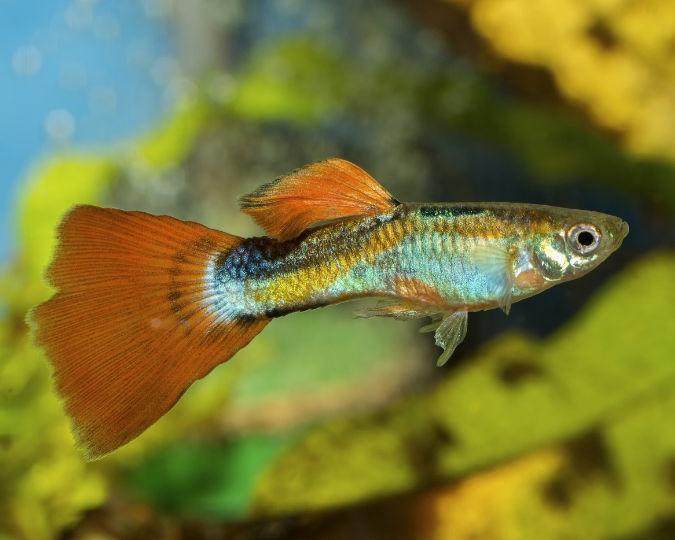
Male and female guppies are easy to identify. Male guppies are smaller, very colorful, and have long decorative tails. Female guppies are larger, less colorful, and have rounder bodies.
Male guppies are more active and often chase females. Female guppies are calmer but may feel stressed if there are too many males. For beginners, keeping more females than males is better. This balance improves tank harmony and supports proper guppy fish care.
11. Advanced Guppy Fish Care Tips
Advanced care includes selective breeding, color enhancement, and managing genetics. High-quality food and stress-free conditions improve coloration.
Maintaining stable water parameters is essential. Even advanced keepers must follow basic guppy fish care guide principles to keep fish healthy long-term.
Proper guppy fish care ensures your fish live a healthy and active life. With the right tank setup, clean water, a balanced diet, and regular maintenance, guppy fish thrive in home aquariums. Follow this guide carefully and start applying these tips today to enjoy a peaceful and colorful guppy tank. For additional advanced care insights and practical tips, explore Guppy Fish Care Guide: Beginner Se Advanced Tak.
FAQ Section
1) Are guppy fish aggressive?
Guppies are generally peaceful fish that do well with other calm, small community fish. They are not naturally aggressive, although male guppies may chase each other or females, especially if there aren’t enough hiding spots or too many males in a small tank. This behavior is normal social activity rather than true aggressive fighting.
2) How many guppy fish should be kept together?
Guppies prefer company and should never be kept alone, as they are social fish that feel safer in groups. A small group of at least 3–6 guppies is recommended, and more if you have a larger tank. Keeping guppies together helps them behave naturally and reduces stress.
3) Do guppies need an air pump?
Guppies do not strictly need an air pump if your tank has effective filtration that circulates the water and keeps oxygen levels stable. However, adding an air pump can help improve oxygen levels and create more water movement, which is good for fish health.
4) What size tank do guppies need?
For healthy fish, a minimum of 10 gallons (about 40 liters) is ideal for a small group of guppies. Larger tanks are better because they keep water conditions more stable and give guppies plenty of space to swim and interact. Smaller tanks make water quality harder to maintain and increase stress.
5) Why are my guppies not eating or seeming hungry all the time?
Guppies are naturally active eaters and curious fish. Sometimes they might seem hungry even after feeding, but overfeeding can harm them. Offer small portions once or twice daily that they can eat in about two minutes. Too much food can pollute the water and cause digestive issues for your fish.
6) How often should water be changed in a guppy tank?
Regular water changes are essential for guppy health. It’s advised to change about 25% of the aquarium water weekly. This helps keep ammonia, nitrites, and nitrates at safe levels and keeps the environment stable so the fish stay healthy.
At Promeal, we know how important it is to give your pets a healthy and varied diet. That’s why we create high-quality, natural pet food to keep them happy and healthy.
Our speciality is premium live and dried insect-based feeds like mealworms, superworms, crickets, roaches, waxworms, and hornworms. These insects are grown on an organic diet, making them a nutritious and tasty treat for your pets.
Check out our "Shop" section to find the perfect food for your pets!


Comments