
Guppy Fish Diseases—Symptoms, Causes and Prevention


Guppy fish diseases are one of the most common problems faced by guppy keepers. Guppies are hardy fish, but they fall sick quickly when water quality, diet, or tank hygiene is poor. Many health issues start small and become serious if ignored. Learning how to identify sick guppy fish symptoms, understanding causes, and following prevention steps helps keep guppies healthy and active.
1. Common Guppy Fish Diseases
Understanding common guppy fish diseases allows early action and better recovery. Most diseases are caused by stress, dirty water, sudden temperature changes, or poor nutrition.
Ich, also called white spot disease, is one of the most common guppy fish diseases. It appears as small white dots on the body and fins. Affected guppies may rub against objects, swim restlessly, or hide. Ich is caused by parasites and often appears after temperature shock or stress. For a broader understanding of guppy health and daily care, read Guppy Fish Care Guide – Complete Beginner to Advanced Guide.
Fin rot is another serious problem seen in guppy fish diseases. The fins look torn, frayed, or slowly melting away. In advanced cases, the fins turn black or red at the edges. Fin rot is usually caused by poor water quality or bacterial infection.
Swim bladder disorder affects a guppy’s ability to swim properly. The fish may float sideways or upside down or sink to the bottom. This condition is linked to overfeeding, constipation, or internal infection. Swim bladder problems are common in tanks with improper feeding habits.

Dropsy disease is one of the most dangerous guppy fish diseases. A guppy with dropsy shows severe swelling, raised scales that look like a pinecone, and lethargy. Dropsy is often a sign of internal organ failure caused by bacterial infection. Recovery chances are low if detected late.
2. Signs of a Sick Guppy Fish
Early detection of sick guppy fish symptoms improves survival chances. Healthy guppies are active, eat well, and swim normally.
One common sign is a guppy fish breathing fast. Rapid breathing indicates low oxygen, ammonia poisoning, or gill infection. Fish may stay near the water surface and gasp for air.
Another sign is staying at the bottom of the tank. A sick guppy may rest on the substrate, hide behind decorations, or isolate itself. Loss of appetite is also a strong warning sign.
Clamped fins, dull color, white patches, bloated body, or abnormal swimming patterns are clear signs of guppy fish diseases. Ignoring these signs allows the disease to spread quickly. Learning normal guppy behavior makes it easier to recognize illness, which is covered in Guppy Fish Care Guide: Beginner Se Advanced Tak.
3. Do Guppies Carry Diseases?
Many people ask, do guppies carry diseases that can spread to other fish? The answer is yes. Guppies can carry bacteria, parasites, and infections even if they look healthy.

New guppies often introduce guppy fish diseases into established tanks. Stress during transport weakens immunity, allowing hidden infections to activate. This is why quarantine is very important.
The question do guppies carry diseases is especially important in community tanks. Diseases spread through shared water, equipment, or close contact. Poor hygiene increases risk.
4. How to Prevent Diseases?
Prevention is the best cure for guppy fish diseases. Clean water is the most important factor. Regular water changes remove toxins and keep bacteria under control. A stable temperature prevents stress-related illness.
Quarantine is a key step many beginners ignore. New fish should be kept separately for 2 to 3 weeks. This helps identify illness before adding them to the main tank.
Avoid overfeeding. Uneaten food decays quickly and causes ammonia buildup. Feeding small amounts helps reduce guppy fish diseases and keeps water clean.
A balanced diet strengthens immunity. Quality food reduces stress and improves resistance to infections. Stable lighting and gentle filtration also help prevent disease. A balanced diet plays an important role in disease prevention, as explained in Guppy Fish Food – Best Diet and Feeding Guide.
5. When to Treat or Separate?
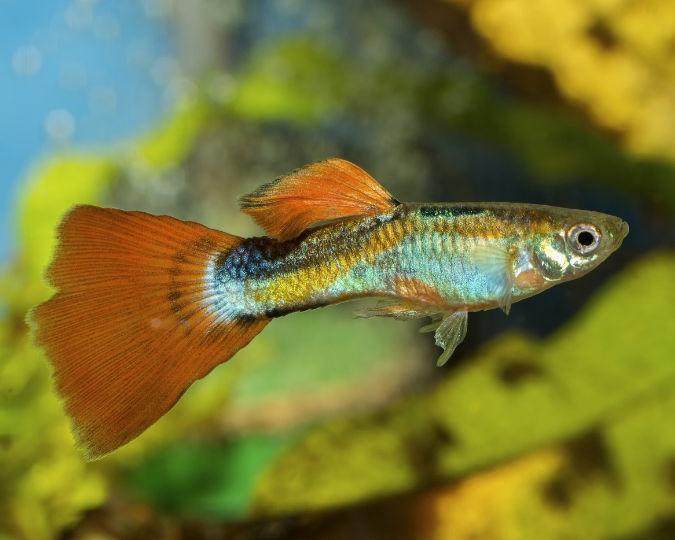
Knowing when to act can save lives. A guppy showing severe sick guppy fish symptoms should be separated immediately. Isolation prevents disease spread and allows focused treatment.
Emergency signs include severe bloating, pinecone scales, guppy fish breathing fast, refusal to eat, or lying on the tank bottom. These signs indicate serious guppy fish diseases that need immediate care.
Delaying treatment reduces recovery chances. Early separation and clean water increase survival even without medication.
6. Stress and Guppy Fish Diseases
Stress is a hidden cause behind most guppy fish diseases. Poor tankmates, overcrowding, loud vibrations, or constant chasing weaken immunity.
Sudden changes in water temperature or pH also cause stress. Guppies prefer stable conditions. Stress allows parasites and bacteria to attack more easily.
Reducing stress is one of the simplest ways to prevent guppy fish diseases and improve overall health. Many common stress triggers and water-quality issues are discussed in Guppy Fish in Monsoon Tanks: Avoiding Ammonia Spikes & Sudden Stress Factors.
7. Role of Water Quality in Disease

Poor water quality is the main reason behind guppy fish diseases. Ammonia and nitrite poisoning damage gills and internal organs. Symptoms include guppy fish breathing fast, red gills, and lethargy.
Regular testing and water changes help maintain safe conditions. Clean water supports healing and prevents new infections.
8. Can Sick Guppy Fish Recover?
Many guppy fish diseases are treatable if caught early. Mild cases of ich, fin rot, and swim bladder issues respond well to clean water and proper care.
Advanced conditions like dropsy have poor recovery rates. Prevention and early action are more effective than treatment.
A healthy diet, clean environment, and stress-free conditions improve recovery chances for sick guppies. Healthy and disease-free fish are more likely to breed successfully, so you may also find Guppy Fish Breeding Ki Complete Step-by-Step Guide helpful.
Guppy fish diseases are common but mostly preventable with proper care. Clean water, stress control, and early detection protect guppies from serious illness. Understanding sick guppy fish symptoms and acting fast saves lives.
Follow this guide to keep your guppies healthy, disease-free, and active for a long life.
FAQ – Guppy Fish Diseases
1. What are the most common guppy fish diseases?
The most common guppy fish diseases include ich, fin rot, swim bladder disorder, and dropsy. Most of these are caused by stress, poor water quality, or sudden temperature changes.
2. Do guppies carry diseases that can affect other fish?
Yes, whether guppies carry diseases is a valid concern. Guppies can carry bacterial, fungal, and parasitic infections, which can spread to other fish in a shared tank if not monitored.
3. Why is my guppy fish breathing fast?
Guppy fish breathing fast usually indicates low oxygen, ammonia or nitrite poisoning, or gill infection. Immediate action, such as improving water quality and aeration, is necessary.
4. Should I separate a sick guppy fish?
Yes, separating a sick guppy helps prevent disease spread and allows for focused treatment. A quarantine tank with clean water increases recovery chances.
5. How can I prevent guppy fish diseases?
Prevention is key. Keep water clean, stable, and properly filtered; avoid overcrowding; provide a balanced diet; and quarantine new fish before introducing them to the main tank.
6. Can stress cause guppy fish diseases?
Yes, stress is a major factor in most guppy fish diseases. Causes include overcrowding, aggressive tankmates, sudden water changes, or loud vibrations. Reducing stress improves immunity and overall health.
At Promeal, we know how important it is to give your pets a healthy and varied diet. That’s why we create high-quality, natural pet food to keep them happy and healthy.
Our speciality is premium live and dried insect-based feeds like mealworms, superworms, crickets, roaches, waxworms, and hornworms. These insects are grown on an organic diet, making them a nutritious and tasty treat for your pets.
Check out our "Shop" section to find the perfect food for your pets!


This page felt surprisingly easy to hang out on—no clutter, no weird popups, and the text doesn’t try too hard. I was just skimming the headings and the little chunks of info actually made it simple to follow without rereading stuff. Somewhere in the middle I clicked into Drift Boss and immediately got why people get hooked: it’s that one-button timing thing where you think you’re fine, then you drift a hair too late and slide off. I also liked that the site doesn’t drown you in instructions; it gives you the basics and lets you figure it out. Everything stays readable on my screen, even when I’m scrolling fast. The “How to Play” section is set up as a…
keo nha cai hôm bữa mình nghe mấy đứa bạn nói nên ghé thử cho biết, kiểu vào xem họ làm trang kèo ra sao thôi chứ mình không ngồi phân tích gì nhiều. Lướt một vòng thấy cái bảng kèo bóng đá trực tuyến nhìn khá “sạch”, chia cột rõ nên mắt bắt thông tin nhanh, nhất là phần cả trận với hiệp 1 tách riêng nên đỡ rối. Mình cũng có bấm qua mục giải thích “kèo nhà cái là gì” vì tò mò, nội dung viết ngắn gọn, đọc vài đoạn là hiểu ý chính chứ không bị dài dòng. Nói chung cảm giác họ ưu tiên hiển thị dữ liệu trước, kéo xuống là gặp ngay…