
Peacock Care in Heavy Rains: Keeping Feathers Dry, Healthy & Disease-Free
- Sanket Shinde

- May 17
- 5 min read

Peacock care in heavy rains is very important for every bird owner. Many people notice that during the rainy season, their peacocks look weak, their feathers lose shine, and diseases start appearing. This happens because rain and humidity create unhealthy conditions.
Peacocks are strong birds, but they are still affected by wet weather. When their living area becomes damp and dirty, harmful germs grow fast. Moisture is the biggest enemy during the rainy season. It increases the risk of infections, parasites, and stress. This blog explains in very simple words how to keep peacocks safe, dry, and healthy during heavy rains using practical and proven methods.
Why Rainy Season is Dangerous for Peacocks?

The rainy season brings constant moisture, wet soil, and high humidity. These conditions are not suitable for peacocks. When the ground stays wet, bacteria and fungi grow quickly. These germs can enter the bird’s body through food, water, or direct contact. Wet and dirty surroundings are the main cause of most diseases in peacocks. Another problem is temperature stress. Wet feathers make it hard for birds to stay warm. Even in warm climates, continuous dampness can weaken the body.
Mud is also a major issue. When peacocks walk in mud, it sticks to their feet and feathers. This increases the chance of infection. So, the rainy season is risky because it affects hygiene, body temperature, and overall health at the same time.
Importance of Keeping Feathers Dry
Peacock feathers are not only for beauty. They play a big role in protecting the bird. Feathers help in maintaining body temperature. When they are dry, they trap air and keep the bird warm. But when feathers get wet, they lose this ability.
Wet feathers can lead to cold stress, weakness, and infections. They also take a long time to dry in humid weather, which increases fungal growth. Feather condition is also important for natural behavior. During the rainy season, peacocks display their feathers for mating. If feathers are damaged or dirty, it affects their health and activity. Keeping feathers dry is one of the most important parts of peacock care in heavy rains.
Common Diseases in Rainy Season

Peacocks face many health problems during the rainy season.
One common issue is respiratory infection. When birds stay in damp areas, they may develop breathing problems. Respiratory diseases can spread quickly and become serious if ignored. Parasitic infections are also very common. Lice, mites, and ticks grow fast in humid weather. These parasites cause itching, feather damage, and weakness. Digestive problems can also happen. If peacocks eat spoiled or wet food, they may develop infections in the gut. This can lead to weight loss and low energy.
Fungal infections are another major risk. These infections grow in wet environments and can affect the lungs and skin. All these diseases are connected to one main problem, which is moisture and poor hygiene.
Shelter Setup for Rainy Season
A proper shelter is the best protection against rain. The shelter should have a strong roof that does not leak. Rainwater should not enter the living area. The floor should be slightly raised so water cannot collect inside.
Good drainage is very important to keep the area dry. If water stays in one place, it becomes a breeding ground for germs. Ventilation is also needed. Fresh air should flow inside, but rain and strong wind should be blocked. This balance keeps the environment healthy.
The sleeping area must always stay dry. Use dry bedding and change it regularly. A well-designed shelter can prevent most health problems during the rainy season.
Feeding Peacocks During Heavy Rains

Food plays a big role in keeping peacocks healthy. Peacocks eat grains, seeds, insects, and small natural foods. During the rainy season, their diet should be slightly improved.
Protein is important because it helps in body repair and feather strength. You can add protein-rich foods like insects. Live insects such as mealworms, crickets, roaches, and superworms are very useful because they provide natural protein and essential nutrients.
Among these, crickets and roaches are considered better protein sources because they have higher protein and better nutrient balance, while mealworms and superworms are slightly higher in fat and should be given in moderation.
A balanced diet helps build strong immunity against diseases. Vitamins like A and E are useful for better health. Always give clean and dry food. Wet or spoiled feed can cause serious digestive problems.
Fresh water must be available all the time. Water containers should be cleaned daily to avoid contamination.
Daily Hygiene and Cleaning Routine

Cleanliness is the simplest and most effective way to prevent disease.
The enclosure should be cleaned every day. Wet bedding must be removed immediately because it allows bacteria and fungi to grow. Feeders and water containers should be washed regularly. Dirty containers can spread infection.
Perches should always be dry. Birds sitting on wet surfaces can develop foot problems. Regular cleaning reduces the risk of infection and keeps peacocks active and healthy. Even small cleaning habits can make a big difference.
Parasite Control in Rainy Season
Parasites become more active during humid weather. Lice and mites spread quickly and can damage feathers. They also cause stress and discomfort to the bird.
Ticks are dangerous because they can spread diseases. Peacocks should be checked regularly for signs of parasites. If you see itching, feather loss, or small insects, action should be taken immediately. Keeping the area clean and dry is the best way to control parasites. Prevention is always better than treatment.
Breeding Season and Rainy Weather

The rainy season is also the breeding season for peacocks. During this time, males display their feathers to attract females. This means feather health becomes even more important. If feathers are dirty or damaged, it affects natural behavior. Egg care is also important during this period. Eggs should be kept in clean and dry conditions. Proper care during breeding season ensures healthy chicks and strong birds.
Realistic Expectations
It is important to understand that no method can completely remove all risks. Rainy season always brings some level of stress for birds.
Food supplements or protein sources can help improve health, but they are not a complete solution. Good results come from a combination of proper shelter, clean environment, and balanced diet. There is no shortcut in peacock care.
Best Practices for Peacock Care in Heavy Rains
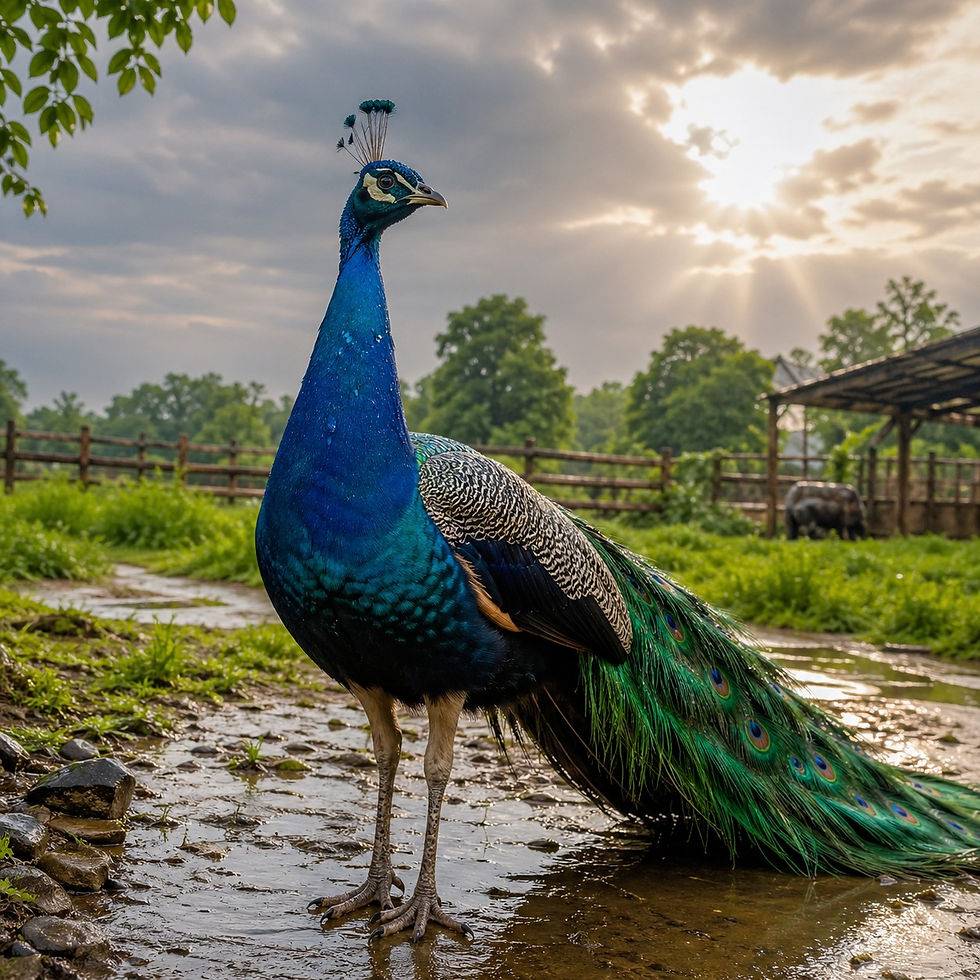
To keep peacocks healthy during heavy rains, focus on simple and effective steps. Provide a strong and dry shelter. Keep the enclosure clean and remove wet waste daily.
Give balanced nutrition with enough protein and vitamins. Ensure clean drinking water at all times. Check birds regularly for any signs of disease or parasites. Consistency in care is the key to keeping peacocks safe during the rainy season.
Peacock care in heavy rains is all about managing moisture and hygiene. Rain and humidity increase the risk of disease, feather damage, and stress. But with proper care, these risks can be reduced. Dry shelter, a clean environment, and good nutrition are the three pillars of peacock health.
When these are managed properly, peacocks can stay healthy, active, and beautiful even during the rainy season. Taking small steps every day can protect your birds from big problems.
At Promeal, we know how important it is to give your pets a healthy and varied diet. That’s why we create high-quality, natural pet food to keep them happy and healthy. Our specialty is premium live and dried insect-based feeds like mealworms, superworms, crickets, roaches, waxworms, and hornworms. These insects are grown on an organic diet, making them a nutritious and tasty treat for your pets.
Check out our "Shop" section to find the perfect food for your pets!


Comments