
Snakehead Fish Care Guide: Complete Beginner to Advanced Care

Updated: Dec 23, 2025
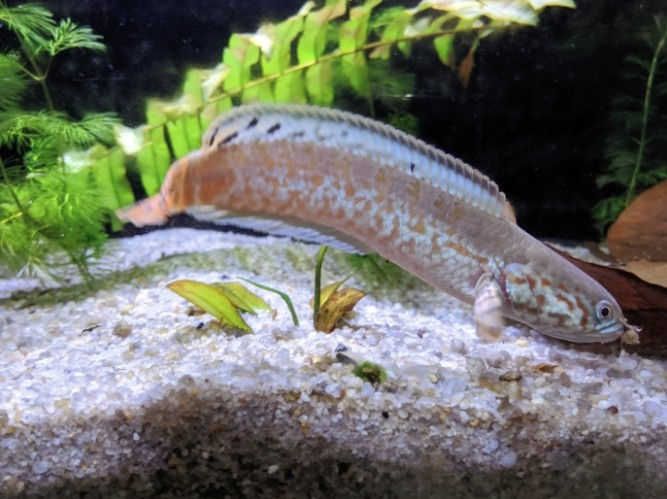
Snakehead fish are hardy but aggressive predators. Many beginners believe that snakehead fish are easy to keep because they can survive in poor conditions. This belief is dangerous. While snakehead fish are strong, long-term survival depends on correct tank size, water quality, diet, and stress control. This snakehead fish care guide explains everything clearly, so both beginners and experienced keepers can provide the right care.
When snakehead fish are kept without understanding their nature, they often become stressed, unhealthy, or overly aggressive. With proper planning, however, snakehead fish can live long and healthy lives in captivity.
1. What Is a Snakehead Fish?
Snakehead fish are freshwater predatory fish known for their long body shape, wide mouth, and sharp teeth. They belong to the Channidae family and are commonly known as Channa fish in Asia. The name snakehead comes from the snake-like shape of their head.
Snakehead fish are freshwater air-breathing fish. They have a special organ that allows them to take oxygen directly from the air. This adaptation helps them survive in low-oxygen environments in the wild, such as swamps and slow-moving waters. However, this does not mean they can live in dirty water in aquariums.
Snakehead fish are native to Asia and parts of Africa. Different species are found in rivers, lakes, ponds, and wetlands. Each species has slightly different size and behavior, which is why research before buying is very important.
Snakehead fish are restricted or illegal in some countries. Always check local laws before keeping them.
2. Understanding Snakehead Fish Behavior
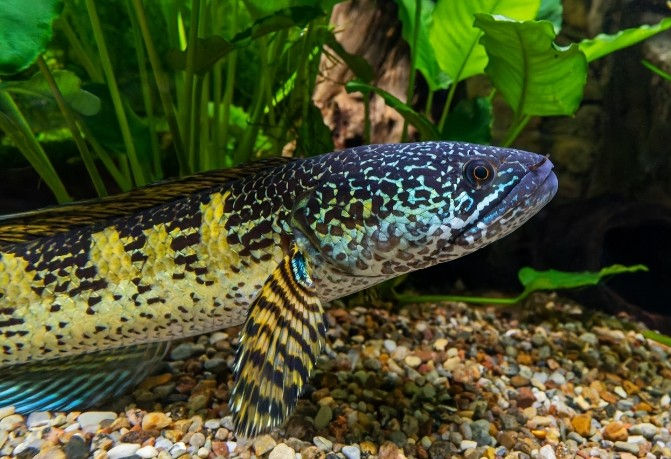
Understanding behavior is the foundation of proper snakehead fish care. Snakehead fish are highly territorial and aggressive, especially as they mature. They do not like sharing space and will defend their territory strongly.
Most snakehead fish are solitary by nature. In the wild, they live alone and only tolerate another snakehead during breeding. Keeping more than one snakehead fish together often leads to fighting, injuries, or death.
Snakehead fish are also ambush predators. They prefer to hide and strike quickly rather than swim constantly. This behavior explains why they need hiding places in the tank.
Another important trait is that snakehead fish are powerful jumpers. Many escape incidents happen because tanks are not properly covered. Stress or sudden movement can cause them to jump out of the aquarium.
Aggression increases when tank size is small or water quality is poor.
3. Choosing the Right Tank Size for Snakehead Fish
Tank size is the most critical factor in this snakehead fish care guide. Snakehead fish grow large, and their behavior changes as they mature. Tank size should always be planned based on adult size, not baby size, because juveniles grow quickly and outgrow small tanks faster than expected.

Small snakehead species require at least 75 to 100 gallons, which is approximately 280 to 380 liters, for a single adult fish. Medium snakehead species need 150 to 200 gallons or more, which equals around 570 to 760 liters. Large snakehead species grow extremely big and powerful, so they require custom-built tanks or indoor ponds, usually above 1,000 liters, depending on the species.
Snakehead fish need horizontal swimming space much more than tank height. Long and wide tanks allow them to establish territory and move naturally. Tall tanks with less floor space are not suitable for snakehead fish. Cramped tanks cause stress, increased aggression, slow growth, weak immunity, and long-term health problems.
A small tank is one of the biggest reasons snakehead fish fail in captivity, even when water quality and food are good.
Tank Setup and Environment
A proper tank setup helps reduce stress and aggression. Snakehead fish prefer environments that resemble their natural habitat. The tank should feel safe and stable.
Substrate should be sand or smooth gravel to avoid injuries. Decorations like driftwood, rocks, and caves help create hiding places and natural territory boundaries. Sharp or rough decorations should be avoided.
Lighting should be low to moderate. Bright lighting can make snakehead fish nervous and aggressive. Water movement should be gentle because most species live in slow-moving waters.
Plants are optional. Some snakehead fish tolerate plants, while others destroy them. Artificial plants are often a safer choice.
Simple, open tank setups work better than crowded decorations.
Water Parameters for Snakehead Fish

Even though snakehead fish are hardy, stable water conditions are essential. Most snakehead species prefer a temperature between 22 and 30 degrees Celsius. Sudden temperature changes should always be avoided.
The ideal pH range is between 6.0 and 7.5. Snakehead fish can adapt to slightly different pH levels, but stability is more important than exact numbers.
Although snakehead fish can breathe air, toxic water is deadly. Ammonia and nitrite must always remain at zero, and nitrate levels should be kept low through water changes.
Air-breathing ability does not replace proper water care.
Filtration and Water Quality Management
Snakehead fish produce a large amount of waste, especially larger species. Strong filtration is necessary to maintain water quality. External canister filters or sump filters are ideal for snakehead fish tanks.
Water flow should not be too strong, as it can cause stress. Even with good filtration, regular water testing is recommended to prevent unseen problems.
Clean water is the main factor behind long-term snakehead fish health.
Tank Mates and Compatibility
One of the most common questions in snakehead fish care is about tank mates. Species-only tanks are the safest option. Snakehead fish see most other fish as prey or competition.
Community tanks rarely work long term. Even if a snakehead fish ignores tank mates at first, aggression usually increases as it grows. Injuries and deaths are common in mixed tanks.
Keeping snakehead fish alone is the most responsible choice.
4. Diet and Food in Snakehead Fish Care

Snakehead fish are strict carnivores. In the wild, they feed on fish, insects, crustaceans, frogs, and small animals. Their diet in captivity should match this natural feeding behavior.
High-protein foods such as frozen fish meat, shrimp, prawns, earthworms, mealworms, superworms, crickets, insects, and quality carnivore pellets are suitable for snakehead fish.
Mealworms and superworms are rich in protein and fat and are best used as occasional or supplemental food, not a daily staple, because excessive fat can lead to obesity.
Crickets are an excellent feeder insect, as they stimulate natural hunting behavior and provide lean protein when gut-loaded properly.
Juvenile snakehead fish need smaller meals more frequently, while adults should be fed two to three times per week. Overfeeding causes obesity, poor water quality, and health issues.
A varied, controlled diet leads to better growth and coloration.
5. Health and Disease Prevention

Snakehead fish are generally hardy but can still suffer from health problems. Common issues include bacterial infections, parasites, fungal growth, and physical injuries.
Most diseases are caused by stress, which comes from poor water quality, small tanks, sudden changes, or improper diet. Observing your fish daily helps catch problems early.
Loss of appetite, hiding, slow movement, or visible marks on the body are early warning signs. Quarantine new fish or food sources whenever possible.
Prevention through good care is better than treatment.
6. Breeding Snakehead Fish
Breeding snakehead fish is considered advanced-level care. It requires large tanks, stable water parameters, and careful observation. Pairing attempts can be dangerous because aggression is high.
Once a pair bonds, snakehead fish show strong parental care. They guard eggs and fry aggressively and may attack anything nearby. Breeding behavior increases aggression significantly.
Breeding snakehead fish is not suitable for beginners.
7. Maintenance Tips for Long-Term Success

Regular maintenance is essential for snakehead fish care. Weekly water changes of 20 to 30 percent help keep water clean and stable.
A tight and secure tank lid is mandatory to prevent escapes. Filters should be cleaned regularly, but beneficial bacteria should never be fully removed.
Keeping a routine reduces stress and improves overall health.
8. Advanced Snakehead Fish Care Advice
Advanced keepers should always plan for the future. Snakehead fish live for many years, and their space needs increase with time. Avoid unnecessary handling and respect their natural aggression.
Environmental enrichment can be provided by rearranging decorations occasionally and offering varied food types.
Snakehead fish are interactive predators, not decorative pets.
Snakehead fish are powerful, intelligent, and rewarding predators when kept correctly. This snakehead fish care guide shows that success depends on space, stability, and respect for their natural behavior. They are not beginner-friendly fish, but with proper planning and commitment, they can thrive in captivity for many years.
When their needs are met, snakehead fish become one of the most fascinating freshwater fish you can ever keep.
At Promeal, we know how important it is to give your pets a healthy and varied diet. That’s why we create high-quality, natural pet food to keep them happy and healthy.
Our speciality is premium live and dried insect-based feeds like mealworms, superworms, crickets, roaches, waxworms, and hornworms. These insects are grown on an organic diet, making them a nutritious and tasty treat for your pets.
Check out our "Shop" section to find the perfect food for your pets!


Comments