
Sugar Gliders During Monsoon: Avoiding Moisture Issues & Maintaining Active Lifestyle
- Sanket Shinde

- May 30
- 7 min read

Sugar glider monsoon care becomes extremely important during the rainy season because high humidity can directly affect the health, comfort, and activity levels of these sensitive exotic pets. Sugar gliders naturally prefer clean, dry, and well-ventilated surroundings. During monsoon months, excess moisture inside the enclosure can create unhealthy living conditions that may lead to fungal infections, respiratory problems, stress, poor appetite, and reduced physical activity.
Many owners notice that sugar gliders sleep more and become less playful during humid weather. Damp sleeping pouches, wet bedding, poor ventilation, and spoiled food can make the enclosure uncomfortable and unsafe. If these conditions continue for long periods, the immune system may weaken, increasing the risk of disease.
The good news is that proper hygiene, balanced nutrition, dry enclosure management, and regular enrichment activities can help sugar gliders remain healthy and active even during heavy rains. This complete guide explains how to avoid moisture issues, improve enclosure conditions, maintain activity levels, and support overall sugar glider health throughout the monsoon season.
Why Monsoon Weather Affects Sugar Gliders?

Sugar gliders are small nocturnal marsupials that react quickly to environmental changes. During monsoon season, humidity levels increase significantly, especially inside rooms with poor airflow. Excess moisture can make the cage damp and uncomfortable, affecting both physical and mental health.
High humidity creates the perfect environment for bacteria, mold, and fungal growth. Sleeping pouches absorb moisture quickly, and wet bedding can remain damp for hours if ventilation is poor. Sugar gliders spending long periods inside moist sleeping areas may develop skin irritation or respiratory discomfort.
Monsoon weather can also affect natural behavior. Many sugar gliders become less active because cooler and damp conditions reduce energy levels. Some may lose interest in climbing, jumping, and playing. Reduced activity can eventually contribute to obesity, stress, and boredom if owners do not provide proper enrichment and exercise opportunities.
Understanding these seasonal changes helps owners prepare early and maintain a healthier environment during rainy months.
Common Moisture Problems in Sugar Glider Enclosures

One of the biggest monsoon challenges is controlling cage moisture. Even a clean enclosure can quickly become unhealthy if humidity remains high for several days.
Damp sleeping pouches are one of the most common problems during monsoon. Sugar gliders spend most of their daytime resting inside pouches, and moisture trapped in fabric creates an ideal breeding ground for fungus and bacteria. Wet pouches may also develop unpleasant odors that indicate poor hygiene conditions.
Poor ventilation is another major issue. Keeping cages in closed rooms without airflow traps humidity inside the enclosure. Condensation and moisture build-up increase discomfort and reduce air quality. Sugar gliders living in poorly ventilated spaces may become stressed and inactive.
Food spoilage also becomes more common during humid weather. Fresh fruits and vegetables spoil faster during monsoon, especially when left inside the cage overnight. Spoiled food attracts bacteria and may cause digestive problems if consumed.
Moisture can also affect wooden toys, climbing branches, and cage accessories. Mold growth on these surfaces can irritate the respiratory system and skin. Regular inspection of the enclosure becomes very important during rainy months.
Signs Your Sugar Glider Is Affected by Humidity

Sugar gliders usually show behavioral and physical signs when humidity levels become uncomfortable. Early detection helps prevent serious health complications.
Many affected sugar gliders become unusually quiet and inactive. They may spend more time hiding inside sleeping pouches and show less interest in climbing or playing. Reduced appetite is also common during humid weather.
Physical symptoms can include sneezing, wheezing, sticky fur, skin redness, excessive scratching, or unusual odor from the body or sleeping pouch. In severe cases, breathing difficulty may develop due to respiratory irritation caused by moisture and poor airflow.
Owners should carefully monitor these warning signs because delayed treatment may allow infections to become more serious.
Best Enclosure Setup for Sugar Gliders During Monsoon
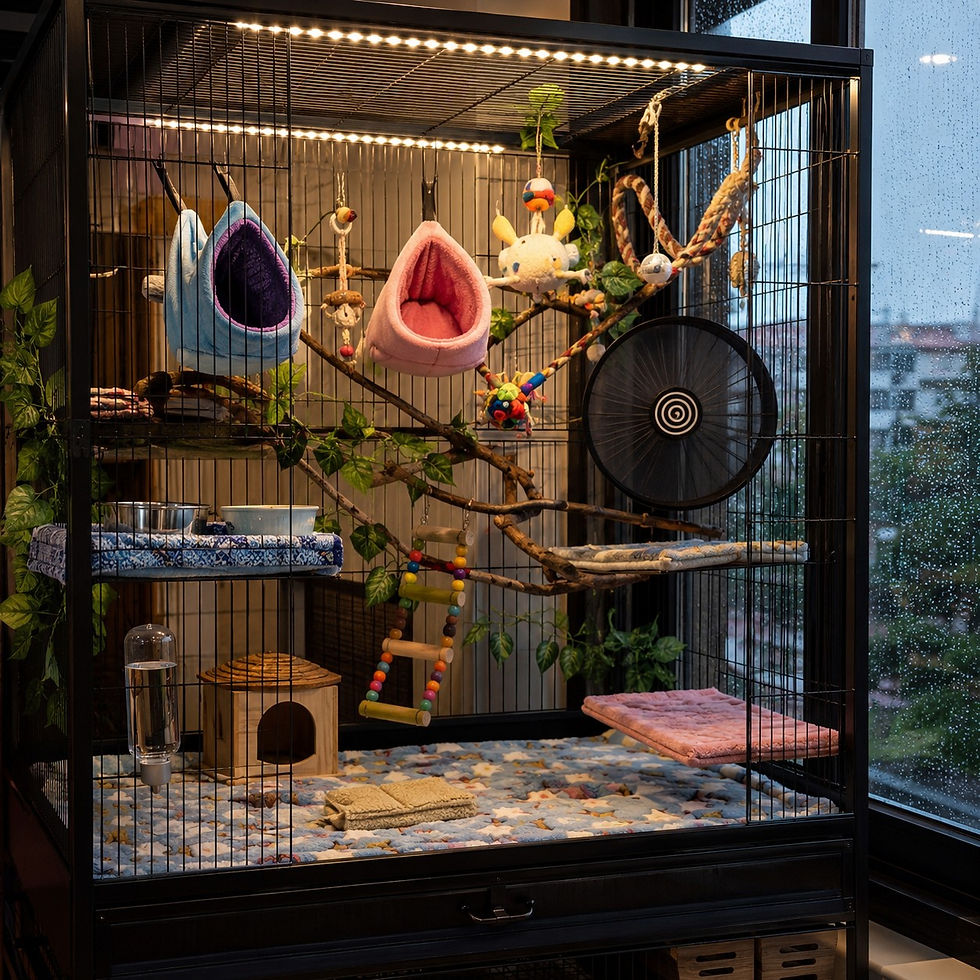
A proper enclosure setup is one of the most important parts of sugar glider monsoon care. Maintaining a dry, clean, and ventilated environment helps prevent many common rainy season problems.
The cage should always be placed in a dry indoor area with good airflow. Locations near leaking windows, damp walls, kitchens, or bathrooms should be avoided because these areas often contain excessive humidity. Stable room temperature is also important because sudden temperature changes may stress sugar gliders.
Good ventilation helps reduce moisture accumulation inside the enclosure. Air circulation keeps bedding and sleeping areas drier while lowering bacterial growth. A small room fan may help improve airflow, but direct continuous air should never blow directly into the cage.
Fleece liners are often better than wood-based bedding during monsoon because they dry faster and are easier to clean. Wet bedding should always be replaced immediately to prevent fungal growth and odor problems.
Sleeping pouches require extra attention during rainy weather. Washing and drying pouches regularly is extremely important. Many experienced owners keep multiple sleeping pouches so that clean dry replacements are always available.
Regular cage cleaning also becomes more important during monsoon season. Food bowls, water containers, exercise wheels, toys, and climbing accessories should remain clean and dry to reduce bacterial contamination.
Maintaining an Active Lifestyle During Monsoon

Many sugar gliders become lazy during humid weather, which is why maintaining physical activity is extremely important. Regular movement supports healthy muscles, improves digestion, reduces stress, and prevents obesity.
Sugar gliders naturally enjoy climbing, jumping, and exploring. Owners should encourage these behaviors even during rainy months by providing safe enrichment inside the enclosure. Climbing ropes, ladders, hanging toys, tunnels, and exercise wheels help maintain mental stimulation and physical activity.
Interactive play sessions also help reduce boredom. Supervised bonding time outside the cage encourages movement and strengthens trust between sugar gliders and owners. Rearranging toys occasionally can also make the environment more interesting and mentally stimulating.
Mental enrichment is equally important because inactive sugar gliders may become stressed or depressed. Puzzle feeders and foraging activities encourage natural hunting behavior and increase activity levels during long rainy periods.
Sugar Glider Feeding Guide During Monsoon

A balanced diet plays a major role in maintaining sugar glider health during monsoon. Proper nutrition supports immunity, energy levels, digestion, and overall body condition. Because food spoils faster during humid weather, fresh food should always be served in controlled portions.
Fresh fruits and vegetables remain important parts of the diet, but uneaten portions should be removed quickly to prevent bacterial growth. Clean drinking water should also be changed daily because humidity increases contamination risk.
Protein is especially important during monsoon because it supports muscle maintenance and energy levels. Many owners include live insects as natural protein sources because they also encourage physical activity and mental stimulation.
Live mealworms are considered one of the best feeder insects for sugar gliders during monsoon. They are easy to digest, highly accepted by most sugar gliders, and provide balanced protein and fat levels that support energy and healthy body condition.
Superworms are another popular feeder insect, but they contain higher fat levels and should only be given occasionally. Feeding too many superworms may contribute to weight gain, especially if activity levels decrease during rainy weather.
Crickets are rich in protein and help encourage natural hunting instincts. However, crickets should not remain inside the enclosure for long periods because humid conditions increase the risk of contamination and odor.
Dubia roaches are also an excellent feeder insect choice. They contain high-quality protein with lower fat levels compared to mealworms and superworms. Many experienced exotic pet keepers prefer dubia roaches because they are nutritious, cleaner, and easier to manage hygienically.
For overall balance, live mealworms and dubia roaches are usually the best insect options during monsoon season because they provide reliable nutrition while helping sugar gliders stay mentally and physically active.
Health Precautions and Disease Prevention

Monsoon weather increases the risk of several common sugar glider health problems. Respiratory infections are among the most serious issues caused by high humidity and poor ventilation. Sneezing, wheezing, or difficulty breathing should never be ignored because respiratory illness may worsen quickly.
Fungal infections are another major concern during rainy months. Damp sleeping pouches, wet fur, and moist bedding create ideal conditions for fungal growth. Skin redness, itching, fur loss, and irritation are common warning signs.
Digestive issues may also occur when spoiled food remains inside the cage too long. Bacterial contamination increases rapidly in humid weather, making hygiene extremely important.
Preventive care is always more effective than treatment. Maintaining dry enclosure conditions, removing leftover food quickly, washing food bowls daily, and improving airflow greatly reduce disease risk. Routine observation also helps owners detect health problems early before they become severe.
Grooming and Hygiene During Humid Weather
Good hygiene becomes even more important during monsoon because bacteria and fungus multiply faster in humid conditions. Although sugar gliders naturally groom themselves, owners must still maintain overall cage cleanliness carefully.
Dirty or wet fur should always be monitored closely because trapped moisture may irritate the skin and encourage bacterial growth. Sleeping pouches should remain clean and dry at all times.
Daily spot cleaning helps reduce odor and contamination inside the enclosure. A full deep cleaning should also be done weekly to maintain proper hygiene standards during rainy months.
Breeding Care During Monsoon

Breeding sugar gliders during monsoon requires extra care because joeys are highly sensitive to environmental conditions. Excess humidity may increase stress and affect nesting comfort.
Breeding pairs require additional nutritional support during this period. Protein and calcium intake become especially important for healthy joey development and maternal health.
Nesting pouches should remain warm, clean, and completely dry. Stable temperature and low stress conditions help improve breeding success and protect young joeys from moisture-related health problems.
Sugar glider monsoon care is essential for preventing moisture-related health problems and maintaining an active lifestyle during rainy weather. High humidity can lead to fungal infections, respiratory illness, stress, poor appetite, and inactivity if enclosure conditions are ignored.
Maintaining a dry and ventilated enclosure, providing balanced nutrition, encouraging exercise, and following proper hygiene practices help sugar gliders remain healthy throughout the monsoon season. Live insects such as mealworms, dubia roaches, crickets, and superworms can also support protein intake and natural activity when fed properly.
With proper care, regular monitoring, and a clean environment, sugar gliders can stay comfortable, energetic, and healthy even during long periods of humid, rainy weather.
At Promeal, we know how important it is to give your pets a healthy and varied diet. That’s why we create high-quality, natural pet food to keep them happy and healthy. Our speciality is premium live and dried insect-based feeds like mealworms, superworms, crickets, roaches, waxworms, and hornworms. These insects are grown on an organic diet, making them a nutritious and tasty treat for your pets.
Check out our "Shop" section to find the perfect food for your pets!


Comments