
Alligator Gar in Rainy Conditions: Managing Tank Cleanliness & Feeding Behavior


Alligator Gar in rainy conditions can become difficult to manage if tank maintenance and feeding routines are not handled properly. Rainy weather and monsoon seasons often change water temperature, oxygen levels, and tank cleanliness much faster than normal days. These sudden environmental changes can affect the health, appetite, and behavior of large predatory fish like the Alligator Gar.
Many aquarium owners notice that their Alligator Gar become less active during rainy weather. Some fish stop eating properly, while others show signs of stress because of dirty water and unstable tank conditions. Since Alligator Gar are large carnivorous fish that produce heavy waste, poor water quality during rainy conditions can quickly create serious health problems.
Proper tank cleanliness, stable feeding habits, and strong filtration are the most important parts of Alligator Gar care during monsoon months. With the right maintenance routine, these fish can remain healthy, active, and stress-free throughout the rainy season.
This complete guide explains everything about Alligator Gar care during rainy conditions, including feeding behavior, tank cleaning, water quality, live insect feeding, disease prevention, enclosure setup, and breeding information in very simple language. To better understand long-term health and environmental requirements, check out The Ultimate Guide to Caring for Alligator Gars.
How Rainy Conditions Affect Alligator Gar?
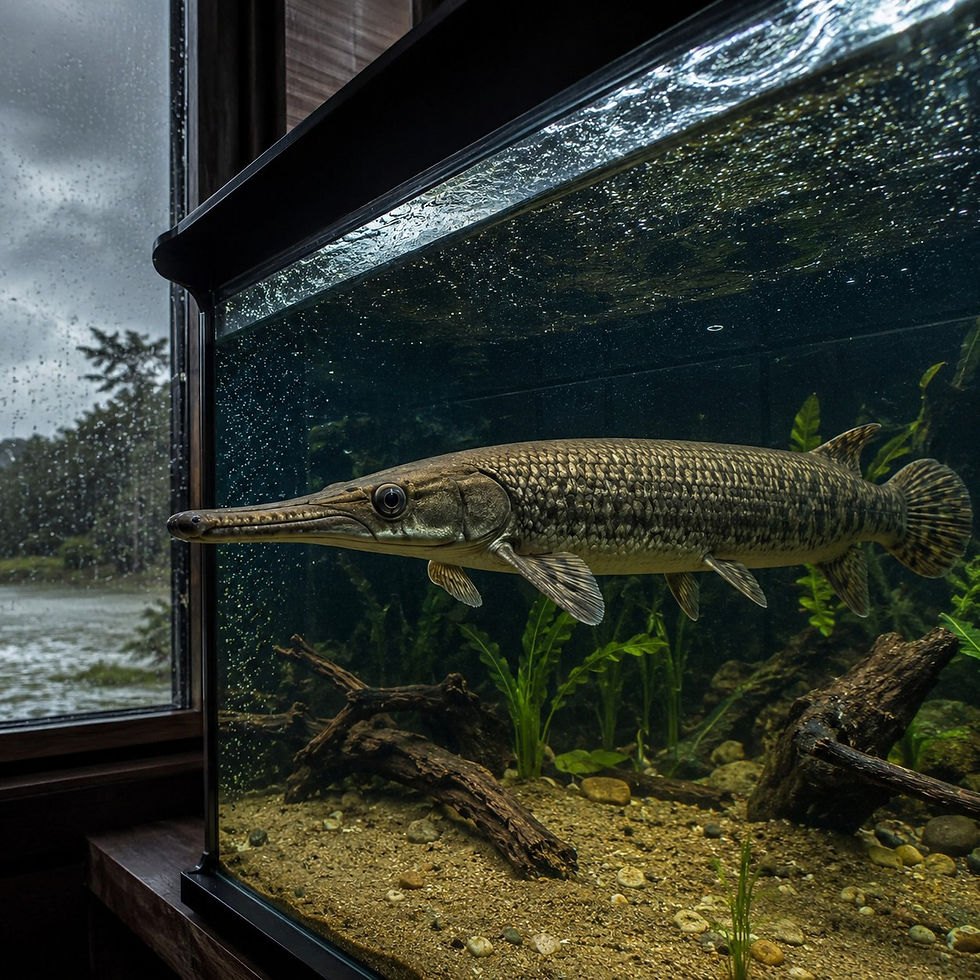
Rainy weather can affect aquariums more than many people realize. During monsoon months, room temperatures may suddenly become cooler, and this change affects aquarium water as well. Since fish are cold-blooded animals, their body activity depends heavily on water temperature.
When the water becomes cooler, Alligator Gar digestion slows down. This usually causes reduced appetite and slower movement. Many fish owners think their fish are sick, but in many cases, the fish are simply reacting to cooler conditions.
Rainy weather can also increase humidity around the aquarium. This often leads to faster bacterial and fungal growth inside the tank, especially if leftover food stays in the water for too long. Large predatory fish like Alligator Gar create heavy waste, so dirty water becomes dangerous very quickly.
Another common problem during rainy weather is lower oxygen levels inside the aquarium. Cloudy weather and unstable water movement may reduce oxygen circulation. Even though Alligator Gar can survive in low-oxygen natural habitats better than many fish species, aquarium conditions still require proper aeration and clean water for healthy long-term care.
Stable water quality becomes even more important during rainy conditions because sudden ammonia spikes can stress the fish very quickly.
Understanding Alligator Gar Feeding Behavior During Rainy Weather

Alligator Gar are carnivorous predator fish that naturally feed on smaller fish, insects, crustaceans, and meaty foods. In aquariums, their feeding behavior often changes during rainy and colder periods.
When temperatures drop slightly, the fish’s metabolism slows down. This means the fish digests food more slowly and may not feel hungry as often as usual. Some Alligator Gar eat smaller meals during rainy weather, while others may skip feeding for short periods.
This behavior is normal if the fish still swims properly and does not show signs of illness. However, fish owners should monitor feeding habits carefully because poor water quality can also cause appetite loss.
Overfeeding during rainy weather is one of the biggest mistakes aquarium owners make. Uneaten food breaks down quickly and increases ammonia levels inside the tank. This creates stress and increases the risk of infections.
Healthy feeding behavior during monsoon conditions includes steady movement, normal swimming patterns, stable body weight, and interest in food even if feeding amounts are slightly reduced.
If the fish becomes weak, hides constantly, gasps near the surface, or completely refuses food for several days, water quality should be checked immediately.
Best Feeding Guide for Alligator Gar During Rainy Conditions
A proper feeding routine is extremely important during rainy weather because digestion becomes slower in cooler water. The best foods for Alligator Gar are high-protein carnivorous foods that are easy to digest and do not pollute the water heavily.
Most aquarium keepers use high-quality carnivore pellets, frozen shrimp, prawns, fish fillets, earthworms, and frozen seafood. These foods provide strong protein while keeping feeding balanced. For a complete breakdown of suitable foods and feeding routines, read Alligator Gar Diet: What to Feed Your Gar Fish.
Juvenile Alligator Gar usually eat more frequently because they are still growing. Adult fish generally require fewer meals during cooler rainy periods. Smaller portions are always safer than heavy feeding during monsoon months.
Clean feeding practices are very important for maintaining tank cleanliness. Any leftover food should be removed quickly before it starts polluting the aquarium water.
Fish owners should also avoid unhealthy feeder fish because they may carry parasites and diseases. Frozen seafood and prepared carnivore foods are usually safer choices for long-term care.
Can Alligator Gar Eat Live Insects?

Yes, Alligator Gar can eat live insects, especially younger fish and medium-sized gars. Live insects provide hunting stimulation and additional protein, which can help keep predatory fish active.
Many fish keepers use live mealworms, superworms, crickets, and dubia roaches as occasional treats. These insects should only be used as supplemental foods and not as the main diet.
Live mealworms are one of the most popular insect feeders for juvenile Alligator Gar. They contain good protein and are easier for smaller fish to consume. However, mealworms also contain moderate fat levels, so they should not be overfed.
Superworms are larger and more active than mealworms. They encourage natural hunting behavior but have a thicker outer shell, which can sometimes make digestion slower if fed too heavily.
Crickets provide lean protein and active movement that attracts predator fish. However, crickets can die quickly in water and may dirty the tank if not eaten immediately.
Dubia roaches are considered one of the best live insect feeders because they provide strong protein with lower fat content. They are also cleaner feeder insects compared to many alternatives.
Dubia roaches and mealworms are usually the best live insect choices for Alligator Gar when used in moderation. Fish-based protein should still remain the primary food source because it is closer to the fish’s natural diet.
Live insect feeding should always be controlled carefully during rainy weather because uneaten insects can quickly affect water quality.
Managing Tank Cleanliness During Rainy Conditions

Tank cleanliness becomes harder to maintain during rainy weather because humidity and cooler temperatures can increase bacterial growth inside the aquarium.
Large fish like Alligator Gar produce heavy biological waste, and this waste quickly affects water conditions if the filtration system is weak. During monsoon months, fish owners should pay extra attention to tank maintenance routines. A properly designed aquarium makes maintenance easier, as explained in Setting Up a Spacious and Healthy Environment for Your Alligator Gar.
Regular partial water changes are one of the best ways to maintain healthy aquarium conditions. Fresh water helps reduce nitrate buildup and improves overall water stability.
The substrate should also be cleaned regularly because leftover food and waste often settle at the bottom of predator tanks. If this waste remains inside the aquarium for long periods, ammonia levels can increase quickly.
Strong filtration is absolutely necessary for Alligator Gar tanks. Large canister filters and sump filtration systems are usually the best choices because they handle heavy waste loads more effectively.
Filter cleaning should be done carefully because dirty filter media reduces water quality and oxygen circulation. However, over-cleaning beneficial bacteria can also create instability, so balance is important.
Tank lids should remain secure during storms because sudden loud noises and environmental changes can stress large predatory fish.
Ideal Water Conditions for Alligator Gar

Maintaining stable water conditions is one of the most important parts of successful Alligator Gar care.
The ideal water temperature for Alligator Gar is usually between 24°C and 28°C. Sudden temperature drops during rainy weather should be avoided because rapid changes create stress and weaken the immune system.
The aquarium should always maintain clean water with zero ammonia and zero nitrite levels. Even small ammonia spikes can become dangerous for large predator fish.
Good oxygen circulation is also important during monsoon periods. Air stones, strong filters, and proper surface movement help maintain oxygen stability inside the aquarium.
Stable water parameters are far more important than constant adjustments. Sudden changes in pH, temperature, or water chemistry often create more stress than slightly imperfect but stable conditions.
Full Tank and Enclosure Setup Guide
Alligator Gar are not suitable for small aquariums. These fish grow extremely large and require massive swimming space as they mature.
Young Alligator Gar can start in large aquariums, but adults eventually require pond-style systems or very large custom tanks. Many owners underestimate how large these fish become over time.
The aquarium should contain open swimming space with minimal decorations. Sharp objects should be avoided because large predatory fish can injure themselves while turning quickly.
A strong lid is necessary because startled Alligator Gar may jump unexpectedly. Proper aeration and powerful filtration are also essential for maintaining healthy water conditions.
Overcrowding should always be avoided because large predator fish need space for stable growth and stress-free movement. For a more detailed habitat planning guide, read Setting Up a Spacious and Healthy Environment for Your Alligator Gar.
Health Precautions and Common Diseases

Rainy conditions often increase the risk of disease outbreaks inside aquariums. Poor water quality, leftover food, and unstable temperatures create ideal conditions for harmful bacteria and fungus.
One of the most common rainy-season problems is fungal infection. White cotton-like patches on the body or fins often appear when water quality becomes poor.
Fin rot is another common issue caused by bacterial infections and dirty tank conditions. Ammonia poisoning is also extremely dangerous for large fish and may cause gasping, weakness, and appetite loss.
Some fish may also experience swim bladder problems due to stress, digestive issues, or poor water quality.
Most Alligator Gar health problems during rainy weather are connected to poor tank maintenance and overfeeding. Clean water remains the best prevention method for most diseases.
Fish owners should observe their fish daily for unusual behavior, breathing problems, damaged fins, or feeding refusal.
Breeding Guide for Alligator Gar
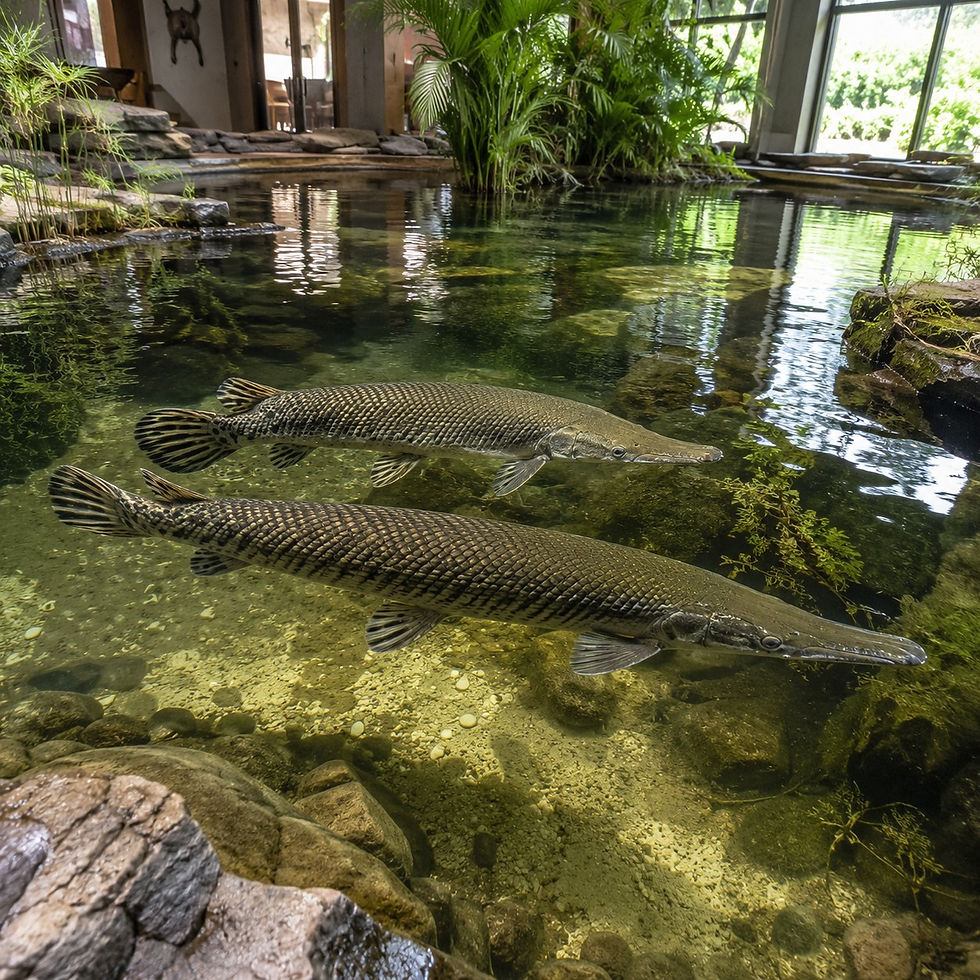
Breeding Alligator Gar in home aquariums is extremely difficult because these fish require huge spaces and specific environmental conditions.
In nature, Alligator Gar usually breed during warm seasonal flooding periods. Females release eggs in shallow flooded areas where vegetation is available.
Home breeding is rare because adult fish become extremely large and require pond-sized environments. Stable warm temperatures, clean water, and seasonal environmental changes are important for breeding behavior.
Baby gars require high-protein foods and extremely clean water conditions for healthy growth.
Most aquarium keepers focus mainly on proper care and long-term maintenance rather than breeding because of the fish’s enormous adult size. Before attempting breeding, it is helpful to understand the species thoroughly through The Ultimate Guide to Caring for Alligator Gars.
Alligator Gar in rainy conditions require extra care, stable feeding habits, and proper tank maintenance to remain healthy. Rainy weather can affect appetite, water quality, oxygen levels, and overall fish behavior very quickly.
Clean water, strong filtration, controlled feeding, and regular maintenance are the most important factors for successful Alligator Gar care during monsoon seasons.
Live insects such as mealworms, superworms, crickets, and dubia roaches can provide useful supplemental protein when used correctly. However, fish-based foods should remain the primary diet for balanced nutrition.
With proper care, stable water conditions, and careful feeding management, Alligator Gar can stay active, healthy, and stress-free throughout rainy weather and monsoon periods. As seasons change, owners should also prepare for rising temperatures with the help of Alligator Gar Summer Care Guide for Large Tank Heat Management.
At Promeal, we know how important it is to give your pets a healthy and varied diet. That’s why we create high-quality, natural pet food to keep them happy and healthy. Our speciality is premium live and dried insect-based feeds like mealworms, superworms, crickets, roaches, waxworms, and hornworms. These insects are grown on an organic diet, making them a nutritious and tasty treat for your pets.
Check out our "Shop" section to find the perfect food for your pets!


There’s something satisfying about a game that lets you test your reflexes immediately. Fast-paced Action Games on Freewebgames can turn even a few spare minutes into a fun challenge. I like having so many browser options available without needing a complicated setup.