
Axolotl Breeding Guide: Complete Eggs and Larva Care


Axolotl breeding needs planning and patience. Breeding axolotls is not something that should be done without preparation. While axolotls can breed in captivity, successful breeding depends on proper age, correct tank setup, clean water, stable temperature, and careful larva care. This axolotl breeding guide explains the full process in a simple way, helping beginners understand what to expect and how to care for eggs and larvae safely. For a complete understanding of daily needs, housing, and long-term responsibility, refer to Axolotl Care Guide: Everything You Need to Know before attempting breeding.
Breeding is rewarding, but it also comes with responsibility. Hundreds of eggs may hatch, and each baby axolotl needs space, food, and clean water. Understanding axolotl egg care, axolotl larva feeding, and baby axolotl care is essential before attempting breeding.
1. Axolotl Breeding Basics

Axolotls should only be bred when they are fully mature and healthy. Breeding young or weak axolotls can cause stress and health problems. Most axolotls reach breeding age between 12 and 18 months, depending on growth, diet, and overall care. Strong body shape, active movement, and good appetite are signs that an axolotl is ready for breeding.
Identifying male and female axolotls is an important step. Males usually have a swollen cloaca, which is the area behind the back legs. Females have a rounder and fuller body, especially when carrying eggs. Proper identification helps avoid confusion and ensures successful pairing.
Axolotls do not form permanent pairs. Breeding usually happens when environmental conditions are right. In nature, breeding is triggered by seasonal changes, especially cooler water followed by a slight temperature increase. Mimicking these natural signals in captivity encourages breeding behavior.
2. Axolotl Breeding Setup

A proper breeding setup increases the chances of success and protects both adults and eggs. The breeding tank should be clean, fully cycled, and spacious. A larger tank helps reduce stress and allows natural movement during courtship.
Water quality must be excellent. Ammonia and nitrite must always be zero, and nitrate should remain low. Stable water parameters are critical because stress can stop breeding completely. Gentle filtration is important, as strong water flow can disrupt courtship behavior. A clean, fully cycled, and stress-free environment is essential, and Axolotl Aquarium Setup for Beginners: Tank Size, Water & Setup Guide explains tank size, water parameters, and setup in detail.
Temperature plays a key role in breeding. Slight cooling of the water for a short period, followed by a gradual return to normal, can trigger spawning behavior. This change should always be gentle and controlled. Sudden temperature changes can harm axolotls.
Diet also matters. Axolotls preparing for breeding need high-quality, protein-rich food. Proper feeding supports egg production in females and energy levels in males. Healthy parents produce healthier eggs and stronger larvae.
3. Axolotl Eggs Care

Once breeding occurs, the female lays hundreds of eggs, usually attaching them to plants, decorations, or tank surfaces. Axolotl eggs are small, round, and surrounded by a clear jelly-like coating. Each egg contains a developing embryo.
Axolotl egg care is extremely important. Eggs should be protected from adult axolotls, as adults may eat them. Many breeders remove the eggs carefully and place them in a separate container with clean, cool water. This reduces the risk of damage and improves survival rates.
Water for eggs must be clean and stable. Gentle water movement is helpful, but strong currents should be avoided. Eggs usually hatch within 10 to 14 days, depending on temperature. Warmer water speeds up hatching, while cooler water slows it down. Patience is key during this stage.
During development, eggs darken as embryos grow. Unfertilized or unhealthy eggs may turn white or cloudy and should be removed to prevent fungus from spreading.
4. Axolotl Larva Care

After hatching, axolotl larvae are very small and delicate. Axolotl larva care requires close attention to water quality and feeding. Newly hatched larvae rely on their yolk sac for the first few days and do not need food immediately.
As larvae begin swimming freely, feeding becomes essential. Axolotl larva feeding should include very small live foods that move in the water. Movement triggers a feeding response and helps larvae learn to hunt. Food size must always match the larva’s mouth to prevent choking or stress. Choosing the correct live foods and feeding schedule is critical, and Axolotl Diet & Feeding Guide: How to Feed Your Axolotl Properly covers feeding stages clearly.
Water quality is critical at this stage. Larvae are extremely sensitive to toxins. Frequent water changes with clean, temperature-matched water are necessary. Even small amounts of waste can harm them.
As larvae grow, they go through visible stages. Gills develop, legs form, and body shape becomes more defined. Growth rates vary, and not all larvae grow at the same speed. Monitoring growth helps identify weak or slow-growing individuals early.
5. Baby Axolotl Care

As larvae grow into juveniles, baby axolotl care becomes slightly easier but still requires careful management. Babies need more space, larger food, and stable water conditions. Overcrowding can cause stress and increase the risk of cannibalism.
Separating baby axolotls by size is important. Larger babies may bite or eat smaller ones. Cannibalism is a natural behavior in axolotls, especially when food is limited or space is tight. Providing enough food and separating sizes reduces this risk.
Baby axolotls should be fed regularly but not excessively. Overfeeding can pollute the water and cause health problems. Clean water, gentle handling, and proper feeding schedules support healthy growth.
As they grow, baby axolotls start to resemble adults more closely. Their colors become clearer, and their behavior becomes calmer. This stage requires patience, observation, and consistent care.
6. Survival Tips for Breeding Success

Survival rates depend on preparation and daily care. Separation timing is critical. Eggs should be separated from adults, and larvae should be separated by size as they grow. This prevents injury and loss.
Cannibalism risks are highest during early growth stages. Providing enough food and space reduces aggressive behavior. Stress-free environments support better survival. Maintaining clean water and preventing stress-related illness is essential, which is explained in Axolotl Diseases and Treatment: Complete Health Care Guide.
Growth monitoring helps identify problems early. Healthy larvae grow steadily, show active movement, and respond to food. Weak or unhealthy larvae may require extra care or separation.
Not all larvae will survive, even with perfect care. This is natural and should be expected. Responsible breeding means being prepared for this reality and focusing on quality care rather than quantity.
7. Long-Term Responsibility of Breeding
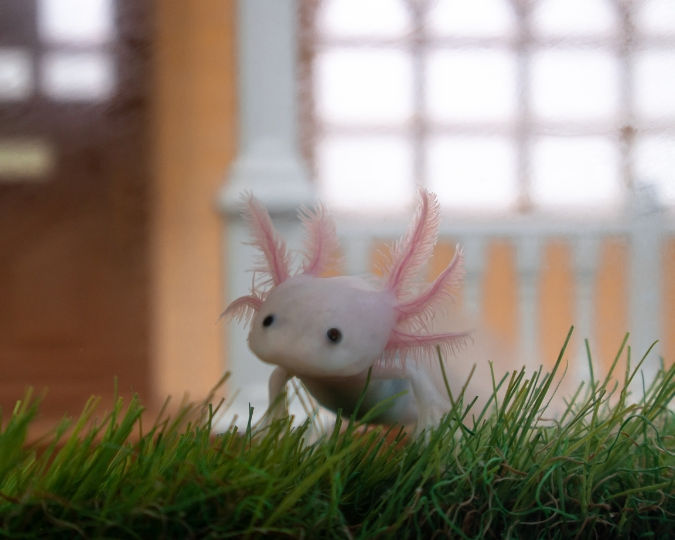
Breeding axolotls creates many lives that depend on you. Before breeding, it is important to plan for space, food, time, and long-term care. Finding responsible homes for baby axolotls is part of ethical breeding.
Breeding should never be done just for curiosity. It should be approached with knowledge and commitment. Healthy breeding supports strong genetics and a better future for axolotls.
Axolotl breeding can be successful and rewarding when done correctly. This axolotl breeding guide shows that preparation, patience, and daily care are essential. Proper axolotl egg care, axolotl larva feeding, and baby axolotl care greatly improve survival rates.
Clean water, stable temperature, correct feeding, and careful separation protect both adults and babies. Breeding is a responsibility that requires time and dedication, but with the right approach, it can be a positive and educational experience.
👉 Before starting breeding, master tank conditions using Axolotl Aquarium Setup for Beginners: Tank Size, Water & Setup Guide will greatly improve egg and larva survival.
At Promeal, we know how important it is to give your pets a healthy and varied diet. That’s why we create high-quality, natural pet food to keep them happy and healthy.
Our speciality is premium live and dried insect-based feeds like mealworms, superworms, crickets, roaches, waxworms, and hornworms. These insects are grown on an organic diet, making them a nutritious and tasty treat for your pets.
Check out our "Shop" section to find the perfect food for your pets!


Comments