
Bearded Dragon Summer Care Guide for Proper Heat and Hydration

Updated: Feb 4

Summer can be a challenging season for bearded dragons if proper care is not provided. Bearded dragons are cold-blooded reptiles, which means they depend completely on their environment to control body temperature and hydration. When summer heat becomes intense, even small mistakes in temperature or water management can cause stress, dehydration, or serious health issues. This Bearded Dragon Summer Care Guide for Proper Heat and Hydration is written in very simple language for general pet owners, beginners, and intermediate keepers. It explains how to manage heat, hydration, feeding, and daily care during hot months in a safe and practical way.
Understanding summer care is important because bearded dragons cannot cool themselves like mammals. They rely on basking spots, shade, water access, and proper enclosure setup to stay comfortable. With the right knowledge and daily observation, summer can be a healthy and active season for your bearded dragon instead of a risky one.
For a complete understanding of daily care and long-term well-being, Mastering Bearded Dragon Care: Key Tips for a Healthy Pet explains essential care practices in detail.
Understanding Summer Temperature Needs of Bearded Dragons

Bearded dragons come from hot, dry regions, but that does not mean they can handle unlimited heat. In summer, their enclosure temperature must be controlled carefully. The ideal basking temperature for a bearded dragon during summer should stay between 38°C and 43°C. This allows proper digestion, energy levels, and metabolism. The cool side of the enclosure should remain between 24°C and 29°C so the dragon can escape heat when needed.
Temperatures above safe limits can cause overheating, stress, and dehydration. Signs of excessive heat include a gaping mouth, darkened beard, restlessness, or staying away from the basking area. On the other hand, temperatures that are too low can slow digestion and weaken the immune system. Maintaining a stable temperature range is essential for summer health.
Night temperatures should naturally drop and remain around 21°C to 24°C. This cooling period helps regulate the body and prevents constant heat stress. Avoid sudden temperature changes, as bearded dragons are sensitive to quick environmental shifts. Consistency is more important than extreme heat.
Creating a Safe Summer Heat Setup in the Enclosure

The enclosure setup plays a major role in summer comfort. The basking light should be positioned correctly to provide warmth without overheating the entire tank. Use a quality heat bulb combined with a thermometer placed at the basking spot to monitor exact temperatures. Never guess temperature by touch alone, as this often leads to overheating.
The enclosure should always have a clear temperature gradient. This means one warm basking side and one cooler side. Your bearded dragon will move between these areas to control body temperature naturally. Avoid placing the enclosure near windows or direct sunlight, as glass can trap heat quickly and raise temperatures to dangerous levels.
Proper ventilation is very important during summer. Good airflow helps release excess heat and keeps air fresh. Enclosures with mesh tops allow heat to escape more easily than fully enclosed glass tanks. However, airflow should be balanced so the enclosure does not dry out completely.
Avoid using heat rocks or unregulated heat sources. These can cause burns and uneven heating. Controlled overhead heating is always safer. During extreme heat waves, reducing basking bulb wattage slightly can help maintain safe temperatures without removing heat entirely.
Proper enclosure layout and temperature control are explained step by step in How to Create the Ideal Habitat for Bearded Dragon?.
Hydration Needs and Water Management in Summer
Hydration is one of the most critical parts of summer care. Bearded dragons lose moisture faster in hot weather, even if they do not appear thirsty. A clean water bowl should always be available inside the enclosure. The bowl should be shallow and wide enough for easy access.
Some bearded dragons prefer not to drink standing water, so gentle misting of vegetables can help increase water intake. Fresh greens with moisture also support hydration. During summer, water should be changed daily to prevent bacteria growth caused by heat.
Occasional warm water soaks can help with hydration, especially during shedding. A shallow soak for 10 to 15 minutes allows the dragon to absorb moisture through the skin and drink if needed. Soaks should never be done too frequently, as over-soaking can cause stress. Once or twice a week is enough during very hot weather.
Dehydration signs include wrinkled skin, sunken eyes, lethargy, and reduced appetite. If these signs appear, hydration and temperature levels should be checked immediately.
Feeding Adjustments During Hot Summer Months
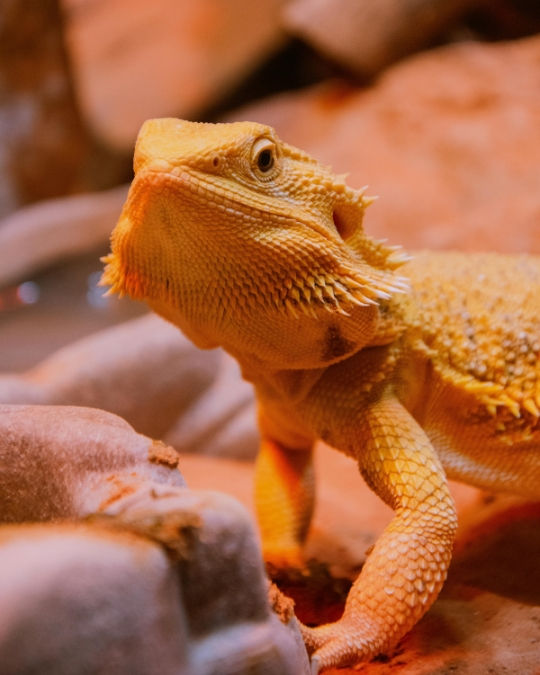
Summer heat affects appetite and digestion. Bearded dragons may eat slightly less during very hot days, which can be normal. However, proper nutrition must still be maintained. Fresh vegetables should make up a large portion of the diet, especially leafy greens with high water content.
Live insects remain important for protein, but feeding should be done during cooler parts of the day, such as morning or early evening. Overfeeding insects during extreme heat should be avoided, as digestion produces internal heat. Moderation is key during summer.
Fresh food should never be left in the enclosure for long periods. Heat causes food to spoil quickly, leading to bacteria growth. Remove uneaten vegetables within a few hours. Clean feeding areas daily to maintain hygiene.
Calcium and vitamin supplements should continue as normal, but avoid overdosing. Proper UVB lighting combined with balanced feeding supports hydration and bone health during summer.
During summer, live insects can be given to bearded dragons, but the choice matters. Crickets are the best summer insect because they are low in fat, easy to digest, and help prevent overheating. Mealworms should be given only occasionally, as their hard shell and moderate fat can slow digestion in hot weather. Superworms should be avoided during summer because their high fat content can increase body heat and cause dehydration or digestive stress. Always feed insects during cooler hours and provide fresh water and hydrating vegetables after feeding.
Choosing the right balance of vegetables and insects is explained clearly in What to Feed Your Bearded Dragon?.
Humidity, Shedding, and Skin Health in Summer

Bearded dragons prefer low to moderate humidity, usually between 30% and 40%. Summer weather can sometimes raise humidity levels naturally, which may cause discomfort if not controlled. High humidity can lead to respiratory problems and skin infections.
Good ventilation helps keep humidity stable. Avoid excessive misting inside the enclosure, as this raises moisture levels too much. Instead, focus on water bowls and hydrated food sources.
Shedding often increases during warm months due to faster growth and activity. During shedding, hydration becomes even more important. Slightly increasing moisture through food or occasional soaks can help shed skin come off easily. Never pull shedding skin, as this can injure the dragon.
Dry, flaky skin may indicate dehydration, while damp or sticky substrate can signal excessive humidity. Adjust enclosure conditions based on these signs.
Recognizing Heat Stress and Preventing Summer Risks

Heat stress is one of the most serious summer dangers for bearded dragons. Early signs include excessive mouth opening, weakness, glass surfing, and constant hiding. Severe overheating can lead to collapse and organ failure if not corrected quickly.
If heat stress is suspected, immediately move the dragon to a cooler area of the enclosure and reduce heat source intensity. Never place the dragon in cold water, as sudden temperature drops can cause shock. Gradual cooling is always safer.
Common summer mistakes include placing enclosures near windows, skipping daily temperature checks, overusing heat bulbs, and ignoring hydration. Daily observation is essential. Bearded dragons show discomfort through behavior long before serious illness develops.
Regular cleaning during summer also prevents bacteria buildup. Heat accelerates waste breakdown, increasing infection risk. A clean enclosure supports hydration, digestion, and overall comfort.
Bearded dragon summer care is all about balance. Proper heat, steady hydration, controlled feeding, and daily monitoring work together to protect your reptile during hot months. By maintaining a basking temperature between 38°C and 43°C, providing a cool retreat, offering clean water, and adjusting feeding habits, you create a safe and stress-free environment.
Summer does not have to be dangerous for bearded dragons. With simple routines and careful observation, it can be a season of active behavior, healthy digestion, and strong growth. Your bearded dragon depends entirely on you for protection from heat and dehydration.
Start applying these summer care tips today to ensure your bearded dragon stays hydrated, comfortable, and healthy throughout the hottest months of the year.
Understanding seasonal care needs helps answer whether Are Bearded Dragons Good Pets? for beginners and families.
At Promeal, we know how important it is to give your pets a healthy and varied diet. That’s why we create high-quality, natural pet food to keep them happy and healthy.
Our specialty is premium live and dried insect-based feeds like mealworms, superworms, crickets, roaches, waxworms, and hornworms. These insects are grown on an organic diet, making them a nutritious and tasty treat for your pets.
Check out our "Shop" section to find the perfect food for your pets!



Comments