
Dumpy Tree Frog Diseases and Treatment Guide for Common Issues

Updated: Apr 15

The dumpy tree frog health problems guide is important for anyone keeping this popular amphibian as a pet. Dumpy tree frogs are generally hardy animals, but like all amphibians they can develop diseases if their environment, diet, or hygiene is not properly maintained. Understanding common health issues helps frog owners recognize early warning signs and provide the correct care.
The species commonly known as the dumpy tree frog, scientifically called Ranoidea caerulea, is widely kept in captivity because of its calm temperament and adaptability. In the wild, these frogs live in warm regions of Australia, Indonesia, and New Guinea, where they thrive in humid environments with stable temperatures.
In captivity, problems often occur when environmental conditions are incorrect or when the frog receives poor nutrition. Issues such as incorrect humidity, improper temperature, and lack of vitamin supplementation can lead to serious illnesses. Fortunately, most health issues can be prevented with proper care and regular observation.
This guide explains the most common dumpy tree frog health problems, their causes, symptoms, treatment options, and prevention methods so that frog keepers can maintain healthy pets. For a complete overview of proper care, you can also refer to Dumpy Tree Frog Care Guide for Beginners and Daily Handling Tips to better understand daily requirements and maintenance.
Why Health Monitoring Is Important?
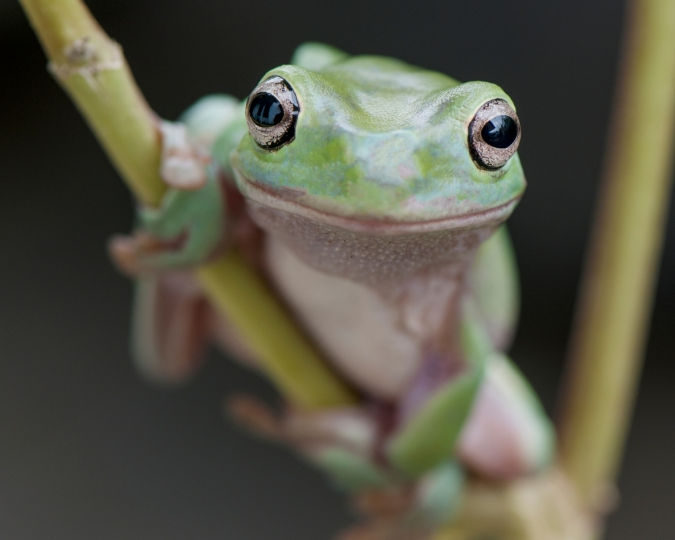
Monitoring frog health is an essential part of responsible amphibian care. Frogs cannot communicate when they feel unwell, so owners must rely on careful observation.
A healthy dumpy tree frog typically has smooth skin, clear eyes, strong appetite, and active nighttime behavior. When these normal behaviors change, it may indicate an underlying health issue.
Amphibians are sensitive animals that react quickly to environmental stress. Small mistakes in enclosure conditions, feeding routines, or sanitation can cause health problems over time.
Early detection of illness increases the chances of successful treatment. For this reason, regular monitoring of the frog’s appearance, appetite, and behavior is extremely important.
Metabolic Bone Disease
One of the most common dumpy tree frog health problems in captivity is metabolic bone disease. This condition develops when frogs do not receive enough calcium or when they lack vitamin D3, which is needed for calcium absorption.
Calcium plays an important role in bone development, muscle function, and nerve activity. Without adequate calcium, bones become weak and fragile.
Frogs suffering from metabolic bone disease may show difficulty moving, weak limbs, soft bones, or abnormal body posture. In severe cases, the frog may have trouble climbing or may remain inactive for long periods.
The most common cause of this disease is poor diet. Feeder insects alone often do not provide enough calcium. When insects are not dusted with calcium supplements, nutritional deficiencies can develop.
Treatment involves improving diet and providing proper calcium supplementation. Preventing metabolic bone disease is much easier than treating it, which is why balanced nutrition is essential. Providing proper nutrition as explained in Dumpy Tree Frog Diet and Feeding Guide for Healthy Growth is essential to prevent calcium deficiencies.
Bacterial Infections

Bacterial infections are another serious health concern for captive frogs. One well-known condition associated with bacterial infection is red leg syndrome, which can affect amphibians kept in unsanitary environments.
This infection is usually caused by bacteria that grow in dirty water or contaminated substrates. Frogs with bacterial infections may show redness on the legs or abdomen, loss of appetite, weakness, and unusual behavior.
In severe cases, frogs may appear extremely lethargic or may stop eating completely.
Treatment usually requires the assistance of an exotic animal veterinarian. Antibiotics are often necessary to control the infection. Improving enclosure hygiene is also critical to prevent the infection from spreading.
Regular cleaning of the enclosure and daily water replacement greatly reduces the risk of bacterial infections.
Fungal Skin Infections
Fungal infections can also occur in dumpy tree frogs, especially when humidity levels are excessively high and ventilation is poor.
Amphibian skin is delicate and highly sensitive. When fungal organisms begin growing on the skin, they can cause irritation and damage.
Symptoms may include white patches, flaky skin, discoloration, or unusual shedding. Frogs may also become less active and may stop eating.
Fungal infections are often linked to environments that remain constantly wet without proper airflow. Excess moisture combined with organic waste creates conditions that allow fungi to grow.
Treatment typically involves improving enclosure ventilation, adjusting humidity levels, and seeking veterinary care for antifungal medication if needed. Proper ventilation and humidity control from Dumpy Tree Frog Enclosure Setup Guide for a Safe Habitat help prevent fungal growth.
Parasites

Parasites are another possible cause of dumpy tree frog health problems. Internal parasites can sometimes enter the frog’s body through contaminated food or unclean environments.
Wild-caught feeder insects are one common source of parasites. These insects may carry organisms that infect amphibians when consumed.
Symptoms of parasitic infection may include weight loss, poor appetite, abnormal droppings, and reduced activity levels.
Diagnosing parasites usually requires a veterinary examination. Veterinarians may analyze fecal samples to identify parasites and prescribe appropriate treatment.
Using commercially raised feeder insects and maintaining a clean enclosure can greatly reduce the risk of parasitic infections.
Dehydration
Dehydration is a common problem when humidity levels are too low or when frogs do not have access to clean water.
Unlike many animals, frogs absorb water through their skin rather than drinking large amounts of water. Because of this, environmental humidity plays an important role in hydration.
A dehydrated frog may appear wrinkled, sluggish, or less active than usual. The skin may lose its smooth appearance, and the frog may spend more time sitting in the water dish.
Maintaining proper humidity levels and providing a clean water source usually resolves mild dehydration.
Regular misting of the enclosure and proper humidity monitoring are important preventive steps. Maintaining correct humidity as explained in Dumpy Tree Frog Enclosure Setup Guide for a Safe Habitat is key to preventing dehydration.
Signs of an Unhealthy Dumpy Tree Frog

Recognizing the early signs of illness is important for preventing serious health problems.
A frog that refuses food for several days may be experiencing stress or illness. While frogs sometimes skip meals, persistent refusal to eat should be monitored carefully.
Weight loss is another warning sign. Healthy frogs usually maintain a stable body condition. Noticeable weight loss may indicate disease or parasites.
Lethargy is also a concern. Dumpy tree frogs are normally active at night. A frog that remains inactive or weak during its active period may be unwell.
Changes in skin appearance can also indicate health problems. Healthy frog skin should look smooth and clean. Discoloration, sores, or unusual patches may signal infection or injury.
Difficulty moving or climbing can also suggest underlying health conditions, especially bone or muscle disorders.
Causes of Health Issues
Many dumpy tree frog health problems occur because of environmental or nutritional mistakes.
Improper temperature is one common cause. Frogs require stable temperatures to maintain normal metabolism. Temperatures that are too low or too high can weaken the immune system.
Poor humidity levels are another factor. Extremely dry environments can cause dehydration, while excessive moisture without ventilation can promote fungal growth.
Nutritional deficiencies may occur if frogs are fed the same type of insect repeatedly without supplementation.
Dirty enclosures can also lead to bacterial infections and parasites. Waste, uneaten insects, and contaminated water create unhealthy conditions.
Maintaining correct environmental conditions greatly reduces the risk of illness. Nutritional mistakes can be prevented by following Dumpy Tree Frog Diet and Feeding Guide for Healthy Growth.
Preventing Health Problems

Preventing disease is the best approach when caring for amphibians. Maintaining proper environmental conditions is the first step in preventing dumpy tree frog health problems.
Enclosures should maintain temperatures around 24–28°C (75–82°F) during the day and slightly cooler temperatures at night.
Humidity levels should remain between 50–70 percent, which helps maintain healthy skin and hydration.
Providing a balanced diet with properly supplemented feeder insects ensures frogs receive essential nutrients such as calcium and vitamins.
Regular enclosure cleaning is also important. Removing waste, replacing water daily, and keeping substrate clean helps prevent bacterial growth.
Observing the frog regularly allows owners to detect early signs of illness before problems become severe.
When to Visit an Exotic Veterinarian?
Although many minor issues can be corrected through better husbandry, some situations require professional veterinary care.
If a frog refuses food for several days, loses significant weight, or shows unusual swelling, a veterinarian should examine the animal.
Persistent skin problems, severe lethargy, or visible injuries are also reasons to seek veterinary help.
Veterinarians experienced with amphibians can diagnose infections, parasites, and nutritional disorders more accurately and recommend appropriate treatment. Prompt veterinary care often improves recovery outcomes.
The dumpy tree frog health problems guide highlights the importance of proper care in maintaining healthy amphibian pets. While dumpy tree frogs are known for their hardy nature, they can still develop illnesses if their habitat, diet, or hygiene is not maintained correctly.
Common health issues include metabolic bone disease, bacterial infections, fungal skin infections, parasites, and dehydration. Most of these problems are linked to incorrect environmental conditions or poor nutrition.
By maintaining proper temperature, humidity, and enclosure cleanliness, frog keepers can greatly reduce the risk of disease. Providing a balanced diet with supplements and monitoring the frog regularly also helps ensure long-term health.
With careful observation and proper husbandry, most dumpy tree frog health problems can be prevented before they become serious.
If you keep this fascinating amphibian, always monitor its behavior and environment closely and take action early to maintain a healthy and thriving frog. To ensure overall well-being, following Dumpy Tree Frog Care Guide for Beginners and Daily Handling Tips can help maintain a healthy and active frog.
At Promeal, we know how important it is to give your pets a healthy and varied diet. That’s why we create high-quality, natural pet food to keep them happy and healthy. Our speciality is premium live and dried insect-based feeds like mealworms, superworms, crickets, roaches, waxworms, and hornworms. These insects are grown on an organic diet, making them a nutritious and tasty treat for your pets.
Check out our "Shop" section to find the perfect food for your pets!


Comments