
Monsoon Feeding Strategy: How to Strengthen Pet Immunity Naturally?
- Sanket Shinde

- 4 hours ago
- 9 min read

Monsoon feeding strategy is very important because rainy weather can change the way pets eat, drink, digest food, and stay active. During the rainy season, many pet owners notice low appetite, loose stool, dull activity, skin problems, smell from cages, dirty water, and sudden stress in pets. This does not happen only because of food. It also happens because of humidity, damp bedding, poor food storage, less sunlight, dirty bowls, and contaminated water.
A good monsoon feeding strategy does not mean giving one special food and expecting instant immunity. Pet immunity becomes stronger when the pet gets a balanced diet, clean water, safe food storage, proper hygiene, correct enclosure setup, and daily observation. Food supports the body, but it cannot replace good care or veterinary treatment.
In simple words, the aim of monsoon feeding is to keep food fresh, easy to digest, species-wise, and safe from moisture. Pets should get the right protein, vitamins, minerals, fiber, calcium, and hydration according to their species. For insect-eating pets, live insects like live mealworms, crickets, roaches, and superworms can also be useful as natural feeding enrichment when used properly.
Why Pets Need Extra Care During Monsoon?
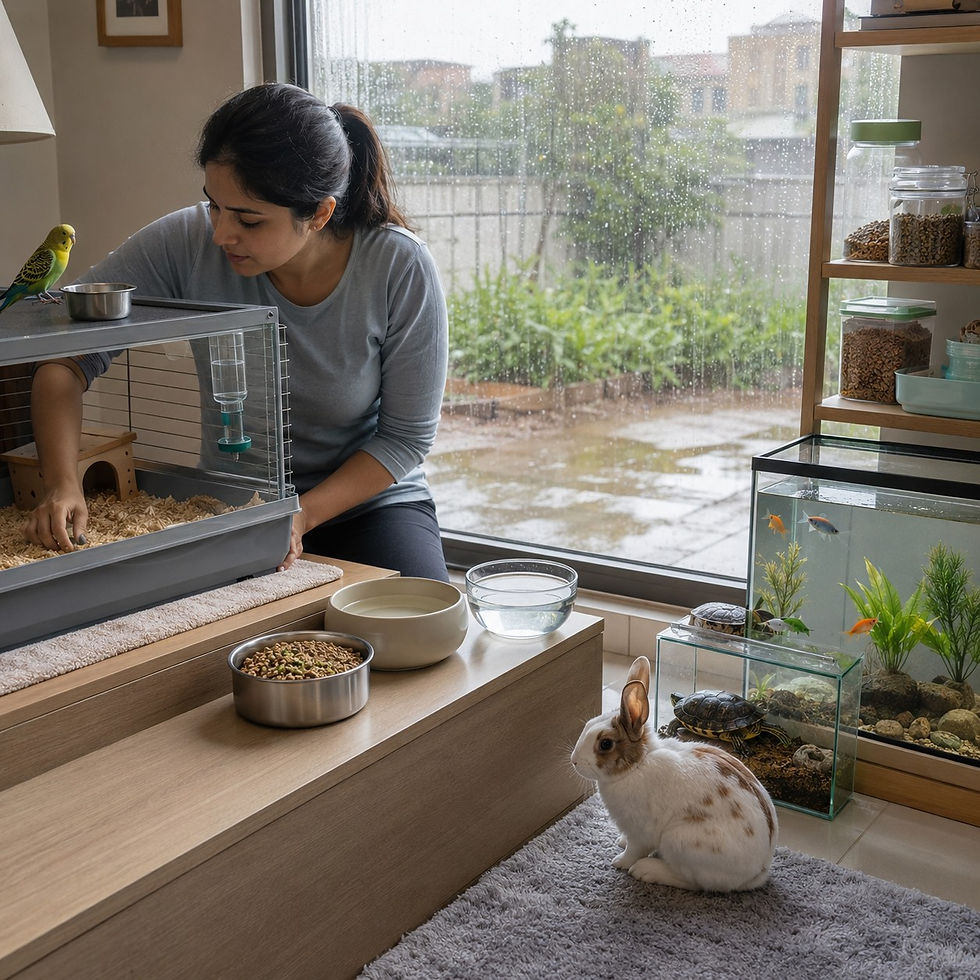
Monsoon brings more moisture into the air. This moisture can make food spoil faster, bedding stay wet, cages smell bad, and water bowls become dirty quickly. When pets eat stale food or drink dirty water, their digestion may get disturbed. Some pets may stop eating because the weather feels heavy and uncomfortable. Others may eat normally but still become weak because their environment is not clean.
Humidity is one of the biggest hidden problems during monsoon. It can support fungal growth, bacteria, mites, and bad smell in feeding areas. In birds, damp cages can affect feathers and breathing comfort. In reptiles, wrong humidity can cause skin and shedding problems. In turtles, dirty water can increase shell and skin issues. In fish, extra waste and overfeeding can quickly disturb water quality. In small animals, damp bedding can cause smell and respiratory stress.
This is why monsoon feeding should never be planned alone. It should always be connected with enclosure care, water hygiene, food storage, and health checks.
What a Good Monsoon Feeding Strategy Means?

A good monsoon feeding strategy means giving fresh food in the right amount, at the right time, and in a clean bowl. It also means storing dry food safely, removing leftovers quickly, checking the smell and texture of food, and avoiding overfeeding. Many owners think more food means more strength, but this is not true. Overfeeding can create more waste, poor digestion, obesity, and dirty enclosures.
The daily diet should be based on the pet’s species, age, size, activity level, and health condition. A reptile, bird, chicken, fish, turtle, hamster, frog, and sugar glider cannot follow the same diet plan. Their body needs are different. Their digestion is different. Their feeding behavior is also different.
During monsoon, the best feeding rule is simple: give clean, balanced, fresh, and species-appropriate food. Avoid sudden diet changes unless needed. If you are adding new foods like live insects, do it slowly and observe the pet’s stool, appetite, energy, and behavior.
Best Monsoon Diet for Pet Immunity
The best monsoon diet for pets should support digestion, muscle health, skin health, feathers, shell strength, energy, and natural feeding behavior. Protein is important because it helps the body maintain muscles, repair tissues, support growth, and maintain body condition. But protein should come from safe and suitable sources.
For many pets, the main diet should remain a complete and balanced base food or a properly planned species-specific diet. Treats and add-ons should not become the full diet. A treat can support variety, but it should not replace the main balanced food.
Fresh water is also part of immunity support. In monsoon, water bowls should be changed often because moisture, food particles, and dirt can make water unsafe. For fish and turtles, water quality is even more important because they live in it. For birds and small animals, dirty water can quickly affect digestion and health.
Live Insects in Monsoon Feeding Strategy
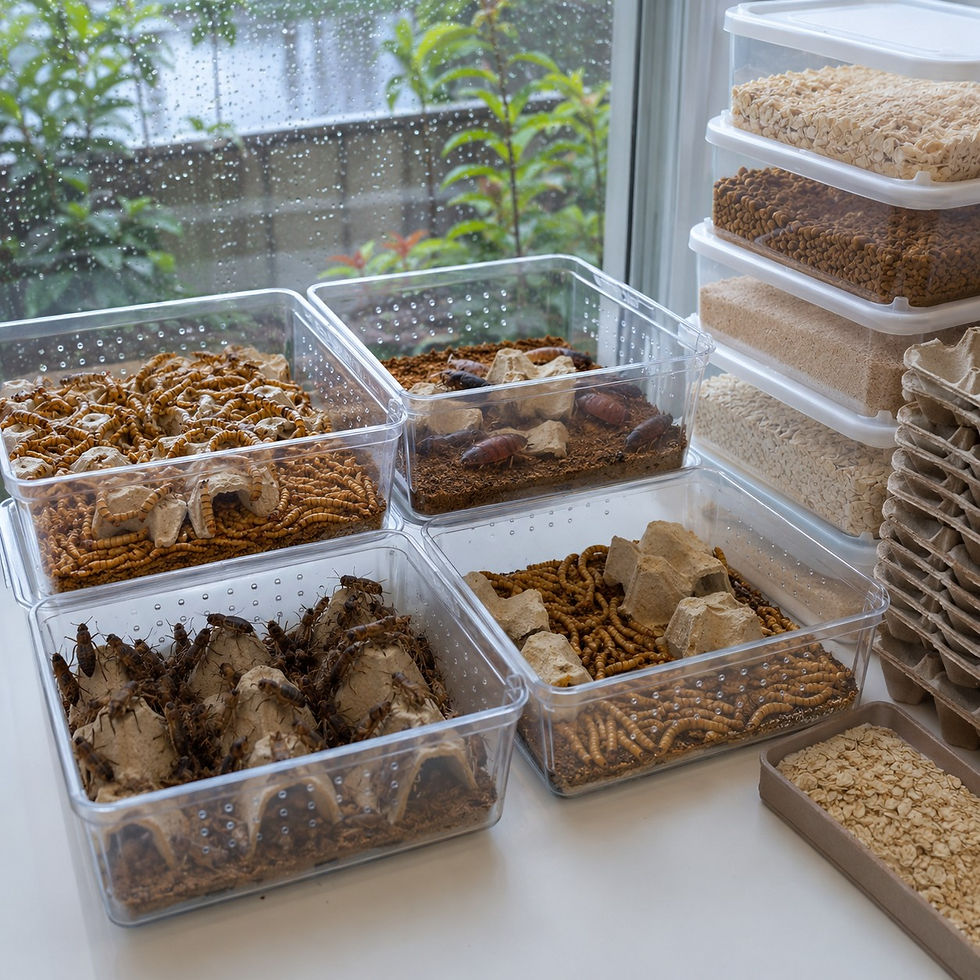
Live insects can be a very useful part of a monsoon feeding strategy for insect-eating pets. Live mealworms, superworms, crickets, and roaches provide natural movement, feeding excitement, and high-quality animal-based protein. They are especially useful for many reptiles, birds, predator fish, turtles, chickens, amphibians, and some exotic pets.
Live mealworms are the easiest option for many pet owners because they are simple to feed, easy to portion, and accepted by many pets. Crickets are very good for activity and hunting response because they move a lot. Roaches are hardy and useful for larger insect-eating pets because they offer good feeding enrichment and are easier to handle than crickets for some keepers. Superworms are exciting and protein-rich, but they are larger and fattier, so they should be used more carefully and not overfed.
The best live insect depends on the pet. For simple daily feeding enrichment, live mealworms are often the best beginner-friendly choice. For reptiles that need movement and hunting behavior, crickets are excellent. For larger reptiles, big fish, and strong insect-eating pets, roaches can be a very good option. Superworms are best as an occasional treat or for pets that can safely handle larger insects.
The most important rule is this: live insects should be clean, healthy, properly stored, and fed in the right amount. For reptiles and amphibians, gut loading and calcium or vitamin dusting may be needed depending on the species. Live insects should not be collected randomly from outside during monsoon because wild insects may carry pesticides, parasites, or contamination.
Species-Wise Monsoon Feeding Guide
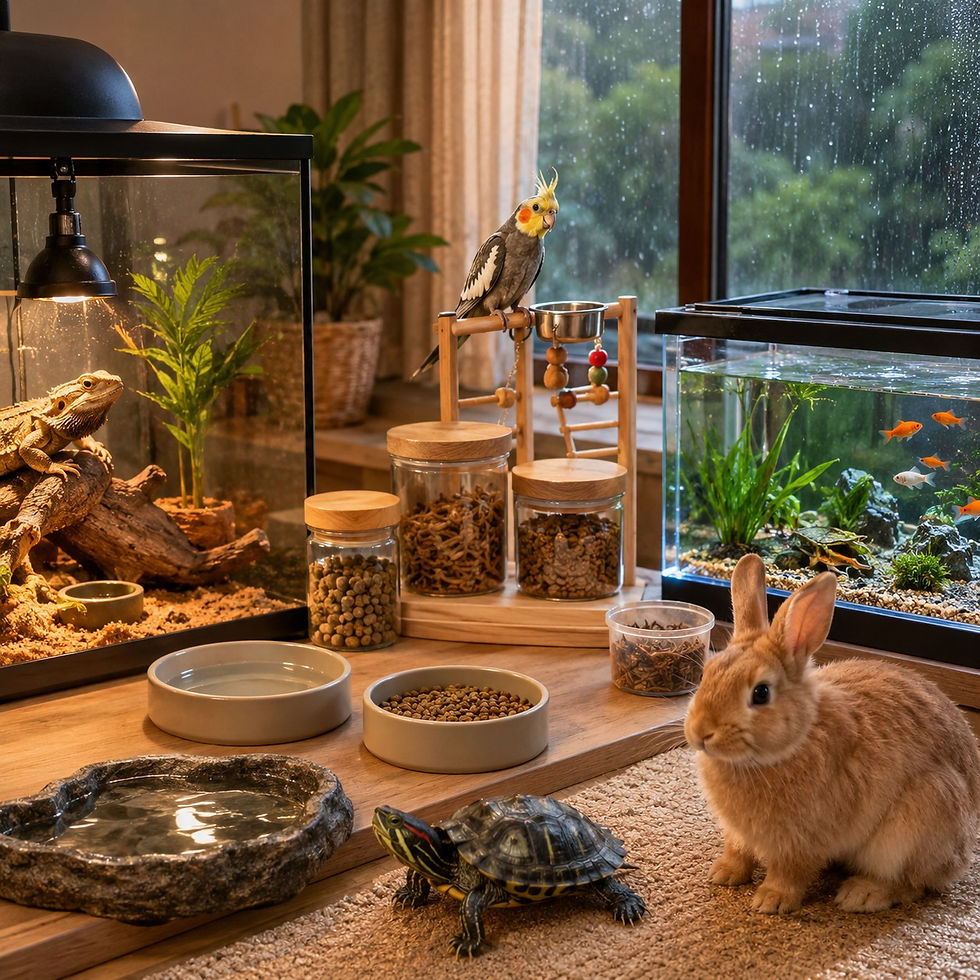
For reptiles, the diet should match the species. Insect-eating reptiles like geckos, bearded dragons, chameleons, and some skinks can benefit from live mealworms, crickets, roaches, and occasional superworms. But the enclosure must also have the correct temperature, UVB, humidity, and clean substrate. Without correct heat and lighting, even a good diet may not work properly.
For birds, monsoon feeding should focus on clean food, fresh water, dry perches, and species-wise nutrition. Seed-eating birds should not eat only seeds if their species needs a more balanced diet. Insect-eating birds can benefit from clean live insects in controlled amounts. Breeding birds may need extra calcium and protein, but overfeeding rich foods can also create problems.
For chickens, monsoon feeding should focus on dry feed, clean drinking water, calcium, protein, and a dry coop. Mealworms can be a good add-on for feeding enrichment and protein support, but they are not a replacement for a balanced layer feed. Egg quality depends on the complete diet, especially calcium, vitamin D, protein, age, and overall hen health.
For aquarium fish, the main goal during monsoon is not only feeding but also water quality. Overfeeding can increase waste and disturb ammonia levels. Predator fish like Arowana, Oscar, Flowerhorn, and large cichlids may enjoy insect-based treats, but portions should be controlled. Uneaten food should not remain in the tank.
For turtles, feeding should be balanced with clean water and basking. Many aquatic turtles need animal protein when young, but adult feeding depends on species. Live insects can add natural enrichment, but water should be cleaned because leftover food can spoil quickly.
For amphibians, many species need live invertebrate foods. Crickets, mealworms, small roaches, and other suitable live foods may be used depending on species size. However, amphibians are sensitive, so food size, supplementing, humidity, and water quality must be handled carefully.
For hamsters and small pets, monsoon feeding should be dry, clean, and controlled. They should not get wet food leftovers sitting in the cage for long. Bedding must stay dry. Treats should be small because small pets can gain weight quickly.
Enclosure Setup and Feeding Area During Monsoon

A clean feeding area is as important as good food. During monsoon, bowls should be washed regularly and dried properly before use. Wet bowls, leftover food, and damp bedding can create smell and attract insects. Food should not be placed directly on dirty cage floors.
Dry storage is a must during monsoon. Dry pet food, dried insects, supplements, seeds, and grains should be kept in sealed containers in a cool and dry place. Do not keep food near windows, wet walls, open shelves, or areas where rainwater can enter. If food smells bad, becomes sticky, changes color, or shows fungus, it should not be used.
Live feeder insects also need proper storage. Mealworms should be kept dry with suitable feed. Crickets need ventilation and dry hiding space. Roaches need a clean, dry, ventilated container. Superworms should not be kept in wet conditions. Moisture inside insect containers can cause smell, death, mold, and poor feeding quality.
Health Precautions and Common Monsoon Problems
During monsoon, owners should watch pets closely because early signs are often small. A pet may eat less, sit quietly, breathe fast, scratch more, smell bad, pass loose stool, refuse food, or look dull. These signs should not be ignored.
Common monsoon problems include digestive upset, fungal skin issues, dirty water problems, respiratory stress, mites, parasites, shell problems in turtles, feather problems in birds, and ammonia stress in fish tanks. The first step is always prevention through clean food, clean water, dry bedding, and good ventilation.
If a pet stops eating for too long, shows swelling, bleeding, breathing difficulty, severe loose stool, white patches, shell softness, sudden weakness, or abnormal behavior, veterinary help is needed. Diet can support recovery, but it cannot replace medical care.
Breeding Care During Monsoon

Breeding pets need extra care in monsoon because eggs, chicks, fry, hatchlings, and newborns are more sensitive to humidity, temperature changes, and poor hygiene. If the owner cannot control cleanliness, temperature, and feeding, breeding should be avoided during heavy monsoon.
Birds need clean nesting material, dry cages, calcium support, and low stress. Chickens need a dry coop, balanced layer feed, clean water, and calcium for shell quality. Reptile eggs need stable incubation conditions. Fish breeding tanks need stable water quality and controlled feeding. Amphibian breeding setups need clean water and correct humidity.
Breeding success depends more on stable care than on extra feeding alone. Too much rich food can create waste, obesity, aggression, or dirty nesting areas. A controlled, balanced feeding plan is better than heavy feeding.
Foods and Feeding Mistakes to Avoid
The biggest mistake during monsoon is leaving food open. Moisture can spoil food quickly. The second mistake is overfeeding. Many owners give extra food thinking it will build immunity, but too much food can create digestion issues and dirty enclosures.
Another mistake is using one food as a cure. Mealworms, crickets, roaches, fruits, seeds, vegetables, or supplements cannot cure all health problems. They can only support the diet when used properly. No single food can make a pet disease-proof.
Avoid feeding outside insects collected from gardens, drains, or wet areas. Avoid stale food, moldy grains, spoiled fruits, dirty water, wet bedding, and strong-smelling stored food. Avoid sudden diet changes during weather stress unless a veterinarian recommends it.
Realistic Expectations

A good monsoon feeding strategy can support better appetite, energy, digestion, feeding response, skin condition, feather quality, growth, and overall body condition. It can help pets stay stronger during a season when humidity and contamination risks are higher. But it is not a miracle solution.
Strong immunity is built through daily care. The pet needs the right diet, clean water, safe storage, dry shelter, correct temperature, proper humidity, and regular health observation. If one part fails, the pet can still become weak even with good food.
Monsoon feeding strategy is about feeding smart, not feeding more. The best plan is fresh food, clean water, dry storage, correct portions, species-wise nutrition, and safe natural add-ons like live mealworms, crickets, roaches, and occasional superworms.
For most pet owners, live mealworms are the easiest and safest beginner-friendly live insect option. Crickets are best for active hunting enrichment. Roaches are good for larger insect-eating pets. Superworms are best as a controlled treat. When these are used correctly with a balanced diet, they can support natural feeding behavior and better nutrition.
To strengthen pet immunity naturally during monsoon, focus on clean feeding, balanced nutrition, dry storage, hygiene, and daily observation. A healthy pet in rainy season is not made by one food. It is made by the right routine every day.
Choose clean, quality feeder insects and follow a proper monsoon care routine before small problems become serious.
At Promeal, we know how important it is to give your pets a healthy and varied diet. That’s why we create high-quality, natural pet food to keep them happy and healthy. Our speciality is premium live and dried insect-based feeds like mealworms, superworms, crickets, roaches, waxworms, and hornworms. These insects are grown on an organic diet, making them a nutritious and tasty treat for your pets.
Check out our "Shop" section to find the perfect food for your pets!


Comments