
How Proper Nutrition Prevents Monsoon Diseases in Pets? (Expert Guide)
- Sanket Shinde

- 15 hours ago
- 7 min read

Monsoon feels fresh and beautiful, but for pets it can also bring health problems. High humidity, wet surroundings, dirty water, spoiled food, fungal growth, and weak digestion can make pets fall sick more easily. Many pet owners only focus on cleaning, but nutrition is one of the strongest ways to support disease prevention during monsoon.
Proper nutrition does not mean giving expensive food or random supplements. It means feeding the right balance of protein, vitamins, minerals, healthy fats, clean water, and safe food according to the pet’s species. A strong diet helps the immune system work better, supports gut health, improves skin and feather condition, and helps pets recover faster from stress.
This guide explains how proper nutrition prevents monsoon diseases in pets and how you can use simple feeding habits to keep birds, reptiles, fish, turtles, chickens, and other pets healthier during rainy season.
Why Pets Get Sick More Often During Monsoon?
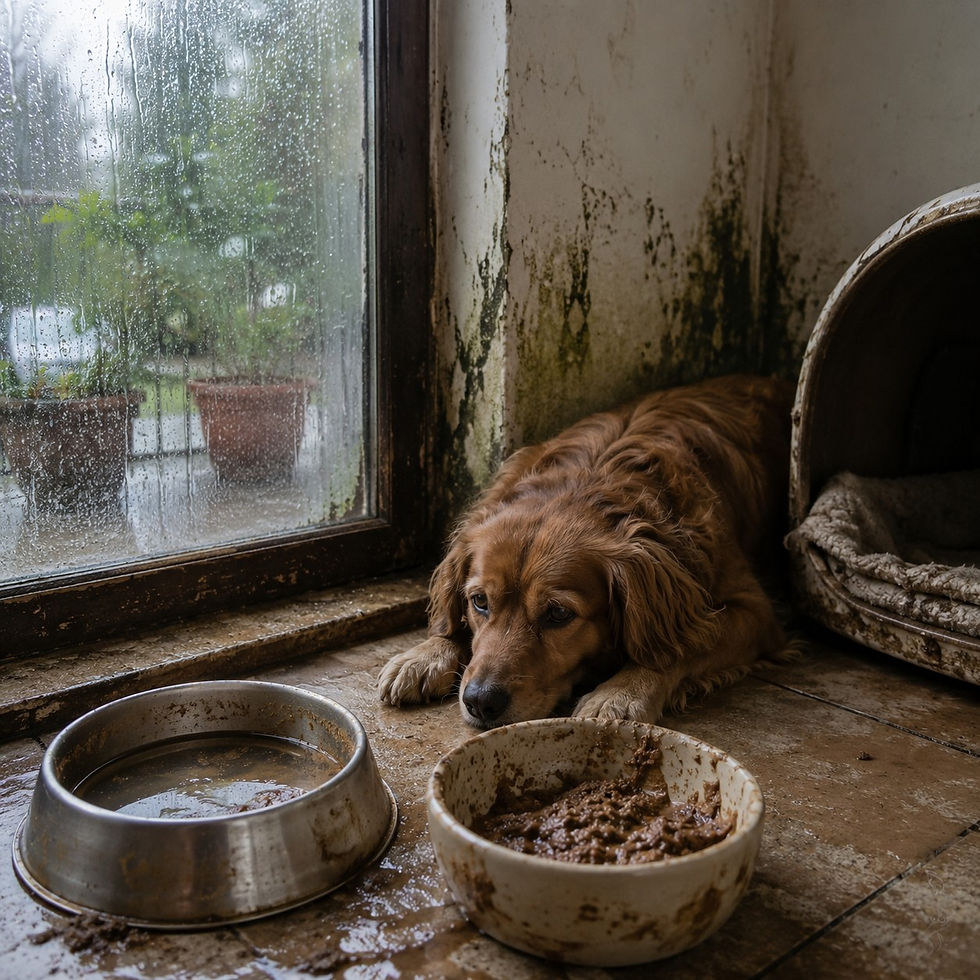
During monsoon, moisture stays in the air for a long time. This creates a better environment for bacteria, fungi, parasites, and mold. Food spoils faster, water bowls get dirty quickly, and pet enclosures may become damp. These conditions can increase the risk of digestive problems, fungal infections, respiratory issues, skin problems, and low immunity.
Pets also become less active in dull and wet weather. Some may eat less, digest slowly, or show stress signs. When the body is already under seasonal stress, poor nutrition makes the problem worse. A pet that does not get enough protein, minerals, vitamins, or clean water may not fight infections properly.
That is why monsoon pet care should always include a strong feeding strategy, not only cleaning and shelter management.
How Proper Nutrition Supports the Immune System?
The immune system needs nutrients to work properly. When pets eat a balanced diet, their body gets the building blocks needed to produce immune cells, repair tissues, maintain healthy skin, and fight harmful germs.
Protein helps build body tissues and supports recovery. Vitamins and minerals help many body functions work smoothly. Healthy fats support skin health and reduce unnecessary inflammation. Water helps digestion, circulation, waste removal, and temperature balance.
A weak diet may not cause disease immediately, but it slowly reduces body strength. During monsoon, this can make pets more vulnerable to infections. Good nutrition works like daily protection from inside the body.
Gut Health and Disease Prevention
A large part of immunity is connected with gut health. When digestion is healthy, pets absorb nutrients better and stay more active. But during monsoon, wet food, dirty bowls, sudden diet changes, and spoiled feed can disturb digestion.
Poor gut health may lead to loose motion, low appetite, weakness, and slow recovery. For reptiles, amphibians, birds, fish, and chickens, even small digestive stress can affect activity and feeding response.
To support gut health, feed fresh food, avoid stale leftovers, clean food bowls daily, and give species-appropriate nutrition. Do not keep wet food lying in the enclosure for long hours. In rainy season, fresh feeding is safer than bulk feeding.
Key Nutrients That Help Prevent Monsoon Diseases
High-Quality Protein

Protein is one of the most important nutrients for monsoon health. It supports immune cells, growth, muscle strength, egg production, tissue repair, and recovery after illness. Pets that eat insect-based diets, such as reptiles, birds, turtles, fish, amphibians, and chickens, benefit from good quality animal protein.
Protein should come from safe and clean sources. For insect-eating pets, live feeder insects can be a natural protein source when fed properly.
Vitamins
Vitamins support skin, eyes, digestion, immunity, and recovery. Vitamin A supports skin and mucous membrane health. Vitamin D helps calcium use in the body. Vitamin E works as an antioxidant and supports immune function.
Vitamin needs are different for every species, so supplements should not be used blindly. A balanced diet is safer than over-supplementation.
Minerals
Minerals like calcium, phosphorus, zinc, selenium, and iron are important for bones, eggshell quality, blood health, feather health, and immunity. Egg-laying birds and chickens especially need proper calcium balance. Without enough calcium and vitamin D support, eggshell quality may become poor.
Healthy Fats
Healthy fats give energy and support skin, feather, and scale condition. But too much fatty food can cause obesity and liver stress. This is why fatty feeders should be used carefully and not as the only food.
Clean Water
Water is often ignored during monsoon because the weather feels cool. But pets still need clean drinking water. Dirty water can carry germs and cause digestive issues. Water bowls should be washed daily, and aquarium water quality should be checked regularly.
Best Monsoon Feeding Strategy for Pets

The best feeding strategy during monsoon is simple: feed fresh, feed balanced, keep food dry, and avoid overfeeding. Give only the amount your pet can finish in a safe time. Remove leftovers before they spoil.
Dry food should be stored in airtight containers away from moisture. Live insects should be kept in clean, dry, ventilated containers. Wet food should not stay open for long. Fruits and vegetables should be washed properly and given fresh.
During monsoon, pets may eat slightly less due to weather changes. Do not panic immediately, but observe behavior. If appetite drops for too long, or the pet becomes weak, inactive, or shows disease signs, contact a veterinarian.
Live Insects in Monsoon Feeding
Live insects can be a valuable part of monsoon nutrition for insect-eating pets because they provide natural protein, movement-based enrichment, and better feeding response. Live mealworms, superworms, crickets, and roaches can all be useful, but they should be chosen according to the pet’s species, size, and health condition.
Live mealworms are easy to feed and good as a protein-rich treat, but they are also higher in fat than crickets. Superworms are larger and energy-rich, so they are better as an occasional treat for bigger reptiles, birds, and fish. Crickets are active, protein-rich, and excellent for natural hunting behavior. Roaches are also highly nutritious, active, and usually a strong feeder option for reptiles and predator fish.
For monsoon, the best regular option is usually crickets or roaches because they offer good protein with better activity and enrichment. Mealworms are best as a convenient add-on, while superworms should be used more carefully because they are richer and heavier. Always keep live insects dry, clean, and well-ventilated to avoid mold and bad smell.
Foods That Help Support Immunity During Monsoon
A strong monsoon diet should include the right food for the right pet. For reptiles and amphibians, gut-loaded insects can support nutrition. For birds, a balanced mix of pellets, safe seeds, vegetables, calcium sources, and clean water is better than only seed-based feeding. For chickens, good layer feed, calcium, clean water, and protein treats can support egg quality and body condition. For fish, avoid overfeeding and choose clean, species-appropriate food.
Safe vegetables, fruits, insects, pellets, grains, and supplements should be selected based on the pet type. Do not copy one diet for all pets. A turtle, chicken, parrot, gecko, frog, and aquarium fish all have different nutrition needs.
Feeding Mistakes That Increase Disease Risk

One of the biggest mistakes during monsoon is leaving wet food in the cage or tank area for too long. Moist food can spoil quickly. Another mistake is storing feed in open packets where humidity can enter. This can reduce food quality and increase mold risk.
Overfeeding is also common. Many owners think more food means stronger immunity, but excess food can cause obesity, dirty enclosures, poor water quality, and digestion problems.
Another mistake is feeding only one food item. For example, giving only seeds to birds, only one insect to reptiles, or only one type of feed to fish can create nutritional imbalance. Variety and balance are more important than quantity.
Signs Your Pet Needs Better Nutrition
Your pet may need diet improvement if you notice low energy, dull feathers, dull scales, poor growth, weak egg shells, weight loss, slow recovery, repeated infections, poor appetite, or loose droppings.
In chickens and birds, poor nutrition can show through weak shells, feather issues, low egg production, and weakness. In reptiles, it may show as poor shedding, low movement, weak bones, or poor feeding response. In fish, signs may include dull color, low activity, weak immunity, and frequent disease.
These signs do not always mean only nutrition is the problem, but diet should always be checked as part of the solution.
Food Hygiene Rules During Monsoon
Good nutrition works only when food hygiene is good. Wash bowls regularly. Remove leftovers. Store dry food in sealed containers. Keep live insects in dry, ventilated boxes. Do not feed moldy food. Do not use dirty water. Avoid keeping food near damp walls or open windows.
For reptiles and amphibians, always wash hands after handling animals, feeder insects, or enclosure items. For fish, avoid extra feeding because leftover food can pollute water quickly. For birds and chickens, keep feed dry and protect it from pests.
Can Nutrition Completely Prevent Disease?
Nutrition can strongly support immunity, but it cannot prevent every disease. Pets still need clean housing, proper temperature, correct humidity, safe water, parasite control, veterinary care, and stress-free handling.
Think of nutrition as the foundation. If the foundation is weak, pets become more sensitive to monsoon stress. If the foundation is strong, the body has better support to fight infections and recover faster.
Expert Monsoon Feeding Tips

Feed fresh food daily and avoid stale leftovers. Use high-quality protein sources. Keep dry food away from moisture. Add live insects only if they are suitable for your pet. Do not suddenly change the full diet. Keep water clean. Observe appetite and droppings daily. Avoid overfeeding during low-activity days.
For insect-eating pets, use clean live insects like mealworms, crickets, roaches, and occasional superworms. For egg-laying birds and chickens, do not ignore calcium and minerals. For fish, maintain water quality and feed only what they can finish quickly.
Proper nutrition prevents monsoon diseases in pets by strengthening immunity, supporting gut health, improving recovery, and keeping the body stronger during seasonal stress. It is not a magic cure, but it is one of the most important parts of rainy season pet care.
A healthy monsoon diet should include good protein, clean water, vitamins, minerals, safe feeding hygiene, and species-appropriate food. Live insects like mealworms, crickets, roaches, and superworms can support natural nutrition for many insect-eating pets when used correctly.
During monsoon, prevention is always better than treatment. Feed clean, store safely, observe daily, and give your pets the nutrition they need to stay active, strong, and healthy.
At Promeal, we know how important it is to give your pets a healthy and varied diet. That’s why we create high-quality, natural pet food to keep them happy and healthy. Our speciality is premium live and dried insect-based feeds like mealworms, superworms, crickets, roaches, waxworms, and hornworms. These insects are grown on an organic diet, making them a nutritious and tasty treat for your pets.
Check out our "Shop" section to find the perfect food for your pets!


Comments