
Shingleback Lizard Breeding Guide Covering Mating and Baby Care

Updated: Apr 15

Shingleback lizard breeding is one of the most interesting reproduction processes seen in reptiles. These unique reptiles are known for their slow movement, rough armored scales, and unusual social behavior. Unlike many reptiles that lay eggs and change partners every year, shingleback lizards have a very different breeding system.
The shingleback lizard, scientifically known as Tiliqua rugosa, is a species of blue-tongued skink found mainly in Australia. It lives in dry regions such as woodlands, grasslands, and scrublands. These reptiles are highly adapted to harsh environments and can live for a long time when they receive proper care.
One of the most fascinating things about shingleback lizards is their long-term pair bonding. Many pairs stay together for multiple breeding seasons and meet the same partner every year. This behavior is rare among reptiles and makes the breeding process even more interesting.
Breeding shingleback lizards requires patience and experience. These reptiles reproduce slowly, and females usually give birth to only a small number of babies each year. Because of this slow reproduction cycle, breeders must focus on providing correct environmental conditions and proper nutrition.
Understanding their mating behavior, reproduction process, and baby care is very important for anyone interested in breeding these reptiles successfully. For a complete understanding of handling, habitat, and daily needs, you can also read Shingleback Lizard Care Guide for Beginners and Daily Care.
Mating Behavior

Shingleback lizard breeding usually begins during the warmer months of the year. In their natural habitat in Australia, the breeding season normally starts during spring when temperatures begin to rise after winter. The increase in sunlight and temperature helps trigger hormonal changes that prepare the reptiles for reproduction.
During this period, male shingleback lizards become more active and begin searching for females. They may travel across their territory to find a suitable partner. Once a male finds a female, he often stays close to her for several days before mating takes place.
Courtship behavior in shingleback lizards is slow and gentle compared to many other reptiles. The male usually follows the female and may touch her body with his head or gently bite the sides of her neck. These actions are a natural part of courtship and help the male communicate with the female.
Another remarkable feature of shingleback lizard behavior is pair bonding. In many cases, a male and female remain partners for many years and reunite every breeding season. This long-term relationship is extremely rare in reptiles. Scientists have observed that some pairs stay together for more than a decade, meeting each year during the breeding season.
This bonding behavior may help improve breeding success because the animals recognize each other and show less aggression during courtship.
Reproduction

One of the most unique features of shingleback lizard breeding is their reproduction method. Unlike many reptiles that lay eggs, shingleback lizards give birth to live babies. This type of reproduction is called viviparity.
In viviparous reptiles, the embryos develop inside the mother’s body instead of in eggs laid outside. The developing babies receive nutrients from the mother during pregnancy. This method helps protect the embryos from predators and environmental dangers.
After successful mating, the female shingleback lizard becomes pregnant. The gestation period usually lasts between three and five months. During this time the embryos grow and develop inside the mother’s body.
Pregnancy causes noticeable changes in the female. She often becomes less active and spends more time basking under heat. Basking is important because proper body temperature helps support the healthy development of the babies.
As pregnancy progresses, the female’s body becomes visibly larger. Her appetite may increase during the early stages of pregnancy because the developing embryos require additional nutrients. However, closer to the time of birth she may eat less.
One of the most surprising facts about shingleback reproduction is the small litter size. Most females give birth to only one to four babies. In many cases the litter contains only one or two young.
Although the number of babies is small, each newborn is relatively large compared to the mother’s body size. The combined weight of the babies can sometimes reach a significant portion of the mother’s body weight. Because of this, pregnancy can be physically demanding for the female reptile. Providing proper nutrition during pregnancy is critical, and you can follow Shingleback Lizard Diet and Feeding Guide for Long Term Health for a balanced feeding plan.
Baby Shingleback Lizards

Baby shingleback lizards are surprisingly large when they are born. Newborn babies already look like miniature versions of adult shingleback lizards. They have rough scales, strong limbs, and the distinctive blue tongue that gives the species its name.
At birth, the babies are fully developed and capable of moving and exploring their surroundings almost immediately. This level of development helps increase their chances of survival in the wild.
Newborn shingleback lizards are usually around 18 to 22 centimeters (7 to 9 inches) long. This is quite large compared to many other reptile babies.
Soon after birth, the young reptiles may eat the remaining birth membranes. This behavior provides important nutrients and helps the babies gain energy during their first hours of life.
In the wild, young shingleback lizards may stay near their parents for a short time before becoming independent. However, they quickly begin exploring their environment and searching for food.
The early development stage is important because proper temperature and nutrition support healthy growth.
Growth and Development
Shingleback lizards grow slowly compared with many other reptiles. Their development occurs in several stages as they mature from newborns into adult reptiles.
During the first year of life, juvenile shingleback lizards gradually increase in size. They shed their skin regularly as their body grows. Proper humidity and hydration are important to ensure smooth shedding.
As juveniles grow, they become stronger and more active. They begin to explore larger areas and develop natural behaviors such as searching for food and basking under heat.
Shingleback lizards generally reach adulthood after several years. Most individuals become sexually mature between three and five years of age. This slow growth rate is one reason why breeding programs must be carefully managed.
Because these reptiles live for many years, sometimes more than two decades, proper care during the early stages of life is very important. Regular health checks are important during growth, and Shingleback Lizard Diseases and Treatment Guide for Pet Owners can help you identify and treat common issues.
Caring for Baby Shingleback Lizards

Caring for baby shingleback lizards requires attention to their habitat, diet, and growth. Young reptiles need a safe enclosure where temperature and lighting can be controlled.
A suitable enclosure should provide a warm basking area and a cooler resting area. Temperature gradients allow the reptile to regulate its body heat naturally. The basking area should stay around 32 to 35°C (89 to 95°F) while the cooler side should remain around 24 to 27°C (75 to 80°F).
Proper lighting is also important for healthy growth. UVB lighting is essential because it helps reptiles produce vitamin D3, which allows their bodies to absorb calcium. Without UVB light, young reptiles may develop serious bone problems.
A clean water dish should always be available. Although shingleback lizards come from dry environments, they still need regular access to fresh water.
Diet plays a major role in the development of juvenile shingleback lizards. These reptiles are omnivores, which means they eat both plant and animal foods. A balanced diet may include insects, snails, leafy greens, vegetables, and small amounts of fruit.
Calcium supplementation is very important during the growth stage. Calcium helps build strong bones and prevents metabolic bone disease.
Regular observation helps ensure that young reptiles are developing normally. Healthy juveniles should show steady growth, regular feeding behavior, and normal activity levels.
Breeding Challenges
Although shingleback lizard breeding can be successful, it also presents several challenges.
One of the biggest challenges is the low reproduction rate. Most females produce only a small number of babies each year. This means that breeding programs progress slowly and require long-term commitment.
Another challenge is providing enough space for adult reptiles. Shingleback lizards need a large enclosure where they can move comfortably and maintain proper temperature zones. A spacious environment reduces stress and allows natural behaviors such as basking and exploring.
Maintaining proper environmental conditions is also important. Temperature, lighting, and nutrition must be carefully managed to support healthy reproduction.
Breeders must also focus on responsible breeding practices. This includes ensuring that the animals are healthy, maintaining genetic diversity, and providing proper care for any offspring produced.
Because shingleback lizards live for many years, breeders must plan carefully to ensure that each animal receives long-term care. For a broader overview of reproduction techniques and care, refer to Shingleback Lizard Breeding Guide Covering Mating and Baby Care.
Importance of Responsible Breeding
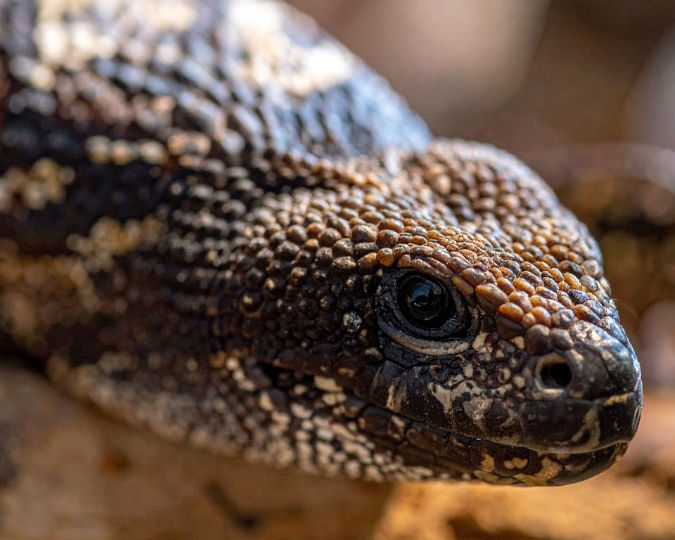
Responsible breeding is essential for the health and welfare of shingleback lizards. These reptiles are unique animals that require specific care conditions.
Breeding should only be attempted by individuals who understand the species’ needs and can provide the correct habitat. Proper knowledge helps prevent health problems and ensures that both adults and babies remain healthy.
Ethical breeders focus on producing strong, healthy reptiles rather than large numbers of animals. Careful monitoring of breeding pairs and proper habitat management help improve reproductive success.
Education also plays an important role in responsible breeding. New reptile owners should understand the long lifespan and care requirements of shingleback lizards before adopting one.
Shingleback lizard breeding is a fascinating process that highlights the unique biology of these reptiles. Their ability to form long-term pair bonds and give birth to live young makes them different from many other lizard species.
The breeding process begins with slow courtship behavior and strong pair bonding between male and female reptiles. After mating, the female carries the developing babies for several months before giving birth to a small number of large, well-developed offspring.
Although baby shingleback lizards are capable of surviving independently soon after birth, they still require proper habitat conditions and balanced nutrition to grow successfully.
Because these reptiles reproduce slowly and live for many years, breeding them requires patience, knowledge, and responsible care.
With the correct environment, proper nutrition, and careful monitoring, breeders can successfully raise healthy shingleback lizards and support the long-term well-being of this remarkable reptile species.
If you want to learn more about shingleback lizard care, health, and habitat setup, explore our detailed reptile care guides to provide the best life for your reptile. You can explore more detailed insights on responsible reproduction in Shingleback Lizard Breeding Guide Covering Mating Aur Baby Care.
At Promeal, we know how important it is to give your pets a healthy and varied diet. That’s why we create high-quality, natural pet food to keep them happy and healthy.
Our speciality is premium live and dried insect-based feeds like mealworms, superworms, crickets, roaches, waxworms, and hornworms. These insects are grown on an organic diet, making them a nutritious and tasty treat for your pets.
Check out our "Shop" section to find the perfect food for your pets!


Comments