
Why Is My Fish Growing Slowly? The Role of Protein, Diet & Feeding
You feed your fish every day, maintain the aquarium, and provide the best care possible. But after weeks or even months, you notice something frustrating—your fish doesn't seem to be growing as expected.
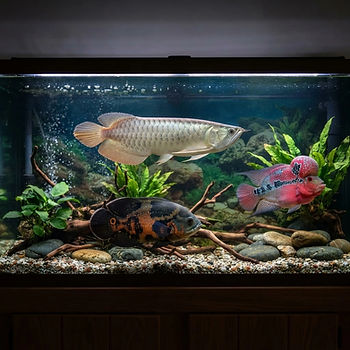
Whether you own an Arowana, Oscar, Flowerhorn, Betta, or another insect-eating aquarium fish, slow fish growth can be a common concern.
Many aquarium owners assume that feeding more food will make their fish grow faster. However, healthy fish growth depends on several factors, including protein intake, balanced nutrition, feeding frequency, water quality, genetics, and aquarium conditions.
So, why is your fish growing slowly, and can changing its diet help? Let's explore the possible causes and how to support healthy, natural growth.
Why Is My Aquarium Fish Not Growing?

Fish grow at different rates depending on their species, age, genetics, and environment. A young Oscar may grow noticeably within a few months, while smaller species such as Bettas and Guppies follow completely different growth patterns.
If your fish is growing more slowly than expected, several factors could be responsible.
Poor nutrition: A diet lacking essential nutrients can affect normal growth.
Insufficient protein: Growing carnivorous fish require adequate high-quality protein.
Incorrect feeding portions: Feeding too little may limit nutrient intake.
Poor water quality: Elevated ammonia or nitrite and unsuitable water conditions can affect health and growth.
Stress: Aggressive tank mates, overcrowding, and frequent disturbances may reduce feeding.
Genetics and age: Growth naturally slows as fish approach adulthood.
Before changing your fish's food, check whether its growth rate is normal for its species and age.
How Does Protein Help Aquarium Fish Grow?

Protein plays an important role in fish growth because it provides amino acids needed to build and maintain muscles, tissues, organs, and other body structures.
Carnivorous and insect-eating aquarium fish often require protein-rich diets, especially during their juvenile growth stages.
However, more protein does not automatically mean faster growth.
Fish need digestible protein with an appropriate amino acid profile, along with sufficient energy, essential fats, vitamins, and minerals.
Excess protein does not guarantee better growth and may contribute to increased nitrogenous waste in the aquarium.
The goal should be to provide balanced, species-appropriate nutrition rather than simply choosing the food with the highest protein percentage.
Can Live Insects Support Healthy Fish Growth?
Many predatory aquarium fish naturally consume insects and other small animals. For compatible species, commercially raised feeder insects can provide additional protein, fats, and dietary variety.

Common feeder insects include:
1. Mealworms
Mealworms contain protein and fat and can be offered occasionally to appropriately sized insect-eating fish such as Arowanas, Oscars, and Flowerhorns. Their firm outer covering means portion size and feeding frequency should be considered.
2. Superworms
Superworms are larger than mealworms and provide protein and energy. They are generally more suitable for larger predatory fish and should be offered in moderation because of their fat content.
3. Crickets
Crickets are another insect-based food option for compatible predatory fish. Their movement can stimulate natural hunting behaviour, while their nutrients can contribute to a varied diet.
4. Black Soldier Fly Larvae
Black soldier fly larvae contain protein, fat, and calcium. They can be used in some insect-based fish diets, although their suitability depends on the fish species, larval size, and nutritional formulation.
Insects can be valuable dietary supplements, but they should not replace nutritionally complete fish food. Different insects contain different nutrient levels, and feeding only one type may lead to nutritional imbalances.
Live Insects vs Dried Insects: Which Is Better for Fish Growth?
Both live and dried insects can contribute to the diet of suitable aquarium fish.

Factor | Live Insects | Dried Insects |
Protein | Provides insect-based protein | Provides concentrated nutrients per unit weight due to moisture removal |
Moisture | Naturally high | Low |
Feeding Behaviour | Encourages natural hunting | Convenient for routine supplemental feeding |
Storage | Requires appropriate live storage | Easier to store when properly packaged |
Suitable Fish | Compatible insect-eating fish | Compatible fish that accept dried insects |
Main Consideration | Hygiene and safe sourcing | Portion size, food texture, and hydration |
Dried insects are not necessarily more nutritious than live insects on a dry-matter basis. Their apparent protein concentration is often higher because much of the water has been removed.
For healthy growth, choose the form your fish can safely consume and maintain a balanced overall diet.
How Often Should You Feed Fish for Healthy Growth?

Feeding your fish the right amount at the right time is important for healthy growth. Most adult aquarium fish need one or two small meals daily, while young fish may need more frequent feeding to support their development.
The ideal feeding schedule depends on the fish's age, size, species, and activity level. Carnivorous fish such as Arowanas and Oscars may have different feeding requirements than smaller fish like Guppies, Bettas, and Tetras.
General feeding guidelines:
Baby fish: Several small meals daily, depending on the species.
Young fish: Usually 2–3 small meals daily, depending on growth and nutritional needs.
Adult fish: Generally 1–2 meals daily, although some large predatory fish may eat less frequently.
Insect-eating fish: Offer appropriately sized mealworms, superworms, crickets, or other suitable insects occasionally alongside a balanced staple diet.
Avoid overfeeding to encourage faster growth. Excess food can affect water quality and fish health. Instead, maintain a consistent feeding routine and provide a balanced diet containing essential nutrients.
Does Water Quality Affect Fish Growth?

Yes. Even a nutritious diet may not support normal growth if aquarium conditions are unsuitable.
Poor water quality can cause stress, reduce appetite, and interfere with normal physiological functions.
To maintain a healthy environment:
Keep ammonia and nitrite at undetectable levels in an established aquarium.
Maintain suitable temperature and pH for your fish species.
Provide adequate filtration and oxygenation.
Perform appropriate water changes.
Avoid overcrowding and aggressive tank mates.
A stable aquarium environment allows fish to use their food effectively and supports normal development.
5 Common Feeding Mistakes That Can Slow Fish Growth
1. Feeding Only One Type of Food
A diet consisting entirely of mealworms, superworms, or another single food may lack essential nutrients. Use nutritionally complete staple food and provide suitable variety.
2. Feeding Too Little
Insufficient food can limit the energy and nutrients available for growth, particularly in juveniles.
3. Overfeeding for Faster Growth
Extra food does not guarantee faster growth. It may increase waste, worsen water quality, and contribute to unhealthy body condition.
4. Feeding Oversized Insects
Large insects may be difficult for smaller fish to swallow. Always choose appropriately sized food.
5. Ignoring Changes in Appetite
Sudden food refusal, weight loss, or abnormal behaviour may indicate stress, illness, or unsuitable aquarium conditions.
Persistent problems should be assessed by an aquatic veterinarian.
FAQs
1. Why is my fish eating but not growing?
Possible reasons include genetics, age, inadequate nutrient balance, poor water quality, chronic stress, or illness. Compare your fish's development with the expected growth pattern for its species.
2. Do mealworms help fish grow faster?
Mealworms provide protein and energy that can contribute to growth, but there is no guarantee they will accelerate growth. Balanced nutrition and appropriate aquarium conditions are more important.
3. Are superworms good for Arowana growth?
Superworms can be offered occasionally to appropriately sized Arowanas as part of a varied diet. They should not replace complete carnivore pellets.
4. Can dried insects support aquarium fish growth?
Yes. Dried insects retain nutrients and can supplement a balanced diet, provided they are suitable for the fish species and offered in appropriate portions.
5. How long does it take for aquarium fish to grow?
Growth varies widely by species, age, genetics, diet, and environment. Some juveniles grow noticeably within weeks, while other fish develop more slowly over months or years.
If your fish is growing slowly, the solution is not always to feed more.
Healthy aquarium fish growth depends on balanced nutrition, adequate protein, appropriate feeding portions, good water quality, and a low-stress environment.
For suitable insect-eating fish, mealworms, superworms, crickets, and other feeder insects can provide valuable dietary variety. However, they work best alongside nutritionally complete fish food.
The goal is not to make your fish grow as fast as possible, but to help it reach its natural, healthy growth potential.
At Promeal, we know how important it is to give your pets a healthy and varied diet. That’s why we create high-quality, natural pet food to keep them happy and healthy.
Our speciality is premium live and dried insect-based feeds like mealworms, superworms, crickets, roaches, waxworms, and hornworms. These insects are grown on an organic diet, making them a nutritious and tasty treat for your pets.
Check out our "Shop" section to find the perfect food for your pets!


Comments