
Winter Care Guide for Hedgehogs – Simple, Complete, and Easy to Understand

Updated: Jan 16

Winter care for hedgehogs is extremely important because hedgehogs are very sensitive to cold temperatures. In nature, hedgehogs survive winter by hibernating. However, pet hedgehogs should never be allowed to hibernate, as this can be very dangerous and even fatal. Pet hedgehogs do not prepare their bodies the same way wild hedgehogs do, and they rely completely on humans for warmth, food, and safety.
During winter, low temperatures, dry air, and reduced activity can affect a hedgehog’s health. Without proper care, a pet hedgehog may try to enter hibernation, lose weight, stop eating, or become very weak. This winter care guide for hedgehogs explains how to keep your pet warm, healthy, active, and safe throughout the cold months using simple steps.
For new owners learning about winter sensitivity, understanding basic differences through Hedgehog vs Porcupine: Are They Related? helps clear common misconceptions about hedgehog biology.
1. How Hedgehogs React to Cold Weather?
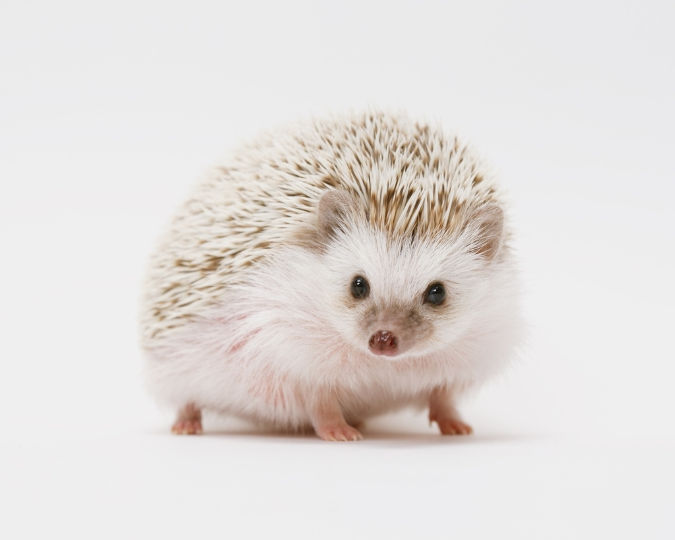
Hedgehogs are warm-climate animals. When they feel cold, their body naturally tries to conserve energy. In the wild, this leads to hibernation. In pet hedgehogs, cold temperatures can trigger a dangerous state called torpor, which looks like deep sleep but is actually very risky.
When a pet hedgehog enters torpor, its body temperature drops, breathing slows, and it may stop eating and drinking. Many pet hedgehogs do not survive this condition. That is why winter care is focused on preventing cold stress and keeping the environment warm and stable at all times.
Understanding this behavior helps owners take winter seriously and avoid life-threatening mistakes.
Behavior changes during cold months are also discussed in How to Care a Happy Hedgehog: Caring for Your Spiky Friend, which explains emotional and physical wellbeing together.
2. Ideal Temperature for Hedgehog Winter Care

Temperature control is the most important part of winter care for hedgehogs. Hedgehogs need warmth every day, both during the day and at night. Sudden drops in temperature are especially dangerous.
A pet hedgehog should always live in a warm indoor environment where the temperature stays stable. If the temperature falls too low, the hedgehog may attempt to hibernate. If it becomes too warm, the hedgehog may become stressed or dehydrated. Maintaining steady warmth is more important than occasional heating.
Using a thermometer inside the enclosure helps monitor the temperature properly. Gentle and consistent heat sources are best for winter safety.
Maintaining warmth is a core care rule, and Hedgehog Ki Care Kaise Karein? explains everyday care practices that support proper temperature control.
3. Why Pet Hedgehogs Must Never Hibernate?
Hibernation is natural for wild hedgehogs, but it is unsafe for pet hedgehogs. Wild hedgehogs prepare for winter by eating more and storing fat. Pet hedgehogs often do not build enough fat reserves and depend on regular feeding.
If a pet hedgehog hibernates, it may not wake up on its own. The longer it stays in this state, the weaker it becomes. Hibernation in pet hedgehogs can cause organ failure, severe weight loss, and death.
Preventing hibernation is not optional. It is a responsibility for every hedgehog owner during winter.
The risks of hibernation are further explained in How to Care for Your Hedgehog, making it essential reading for first-time owners.
4. Choosing the Right Place for the Cage in Winter

The location of the hedgehog cage inside your home matters a lot during winter. Cold drafts, open windows, and cold walls can lower the temperature around the cage without you noticing.
The cage should be placed in a warm, indoor room that stays heated throughout the day and night. It should not be near doors that open frequently or near windows that let cold air in. Floors can also be cold, so placing the cage on a raised surface helps reduce heat loss.
A calm and warm location helps your hedgehog feel safe and reduces stress during winter.
5. Best Bedding for Hedgehogs During Winter
Bedding helps hedgehogs stay warm and comfortable. Hedgehogs love to burrow, especially when it is cold. Deep and soft bedding is essential in winter.
Thick bedding helps trap body heat and allows the hedgehog to make a small nest. Bedding should always be dry and clean. Wet or thin bedding can make the hedgehog cold and uncomfortable.
Soft fleece materials and paper-based bedding are commonly used because they hold warmth well and are gentle on the hedgehog’s skin. Bedding should be replaced regularly to keep the environment clean and healthy.
Bedding selection and hygiene are also covered in detail in How to Care for Your Hedgehog, supporting winter comfort needs.
6. Creating a Warm Sleeping Area

Hedgehogs sleep for many hours, and winter makes them want even more rest. Providing a warm sleeping space helps them conserve energy without entering hibernation.
A small enclosed sleeping area inside the cage works well. This can be a hide box or a soft sleeping pouch. These enclosed spaces reduce air movement and help the hedgehog stay warm.
A warm sleeping space reduces stress and prevents heat loss, especially during cold nights.
7. Winter Feeding for Hedgehogs
Proper feeding is very important in winter. Hedgehogs may change their eating habits slightly, but they still need balanced nutrition.
High-quality food that contains enough protein helps maintain body weight and strength. Some hedgehogs may eat a little less, while others may eat more to maintain warmth. Both behaviors can be normal.
Fresh food should be provided daily, and old food should be removed to avoid spoilage. Good nutrition supports immunity and energy during winter, helping the hedgehog stay healthy.
For a deeper understanding of balanced nutrition, refer to Hedgehog Diet and Nutritional Needs: What to Feed Your Spiky Friend.
8. Water and Hydration in Cold Months

Even during winter, hedgehogs need constant access to clean water. Cold weather can reduce thirst, but dehydration is still a risk.
Water should be checked daily and replaced with fresh water. If the room is cold, water can become very cold, which may discourage drinking. Keeping water at a comfortable temperature helps ensure proper hydration.
Hydration supports digestion, body temperature control, and overall health.
9. Daily Health Observation in Winter
Winter care requires close observation. Hedgehogs may sleep more, but extreme tiredness or lack of movement is not normal.
You should observe your hedgehog every day. Watch how it moves, eats, and reacts. Touch the hedgehog gently to check body warmth. A hedgehog that feels very cold needs immediate attention.
Early detection of problems can save your hedgehog’s life. Do not ignore small changes in behavior during winter.
10. Monitoring Weight During Winter

Weight checks are very helpful during winter. Sudden weight loss can mean that the hedgehog is not eating well, is stressed, or is too cold.
Weighing your hedgehog once a week allows you to track changes. A stable weight usually means your hedgehog is healthy and well cared for. Sudden changes should be taken seriously.
Weight tracking and health monitoring tips are also included in How to Care for Your Hedgehog.
11. Exercise and Mental Activity in Winter
Even in winter, hedgehogs need activity. Exercise keeps their body working properly and helps prevent boredom.
A safe exercise wheel inside the cage allows the hedgehog to move whenever it feels active. Gentle play items can also provide mental stimulation.
Light daily activity supports digestion and mental health, even when overall movement is lower.
12. Handling Hedgehogs During Winter
Hedgehogs may be more sensitive in winter. When handling your hedgehog, make sure your hands are warm. Cold hands can shock the hedgehog and cause stress.
Handling should be gentle and calm. If the hedgehog feels cold or stressed, handling should be limited. Always return the hedgehog to its warm space quickly.
Proper handling techniques across seasons are explained in Hedgehog Ki Care Kaise Karein?.
13. Emergency Care During Cold Situations

Winter emergencies like power cuts can happen. In such cases, quick action is important.
Keeping warm cloths nearby and moving the cage to a warmer room can help. Warmth should be provided gently, not suddenly. Direct heat or extreme temperatures should always be avoided.
Staying prepared for emergencies helps protect your hedgehog during unexpected situations.
14. Helping Wild Hedgehogs in Winter
Wild hedgehogs also face challenges in winter. Leaving natural shelter spaces like leaf piles can help them survive. Providing safe food and water outdoors can support weak hedgehogs.
Wild hedgehogs should not be disturbed unnecessarily. If a wild hedgehog looks sick or injured, professional help should be contacted.
15. Common Winter Care Mistakes
Many winter problems happen due to simple mistakes. Allowing the environment to get too cold is the most common issue. Using unsafe bedding or feeding incorrect foods also causes harm.
Ignoring behavior changes can lead to serious health issues. Consistency and observation are the keys to winter success.
Winter care for hedgehogs is about warmth, comfort, nutrition, and attention. Pet hedgehogs should never hibernate, and keeping them warm is your top priority.
By maintaining a stable temperature, providing deep bedding, offering nutritious food and clean water, and observing your hedgehog daily, you can ensure a healthy winter season.
Proper winter care protects your hedgehog’s life and well-being. With simple steps and daily care, your hedgehog can stay safe, active, and comfortable throughout the cold months.
For continued learning and problem-solving, Hedgehog Care FAQs: Expert Advice on Nutrition, Feeding, and Health for Your Hedgehogs serves as a reliable long-term reference.
At Promeal, we know how important it is to give your pets a healthy and varied diet. That’s why we create high-quality, natural pet food to keep them happy and healthy.
Our speciality is premium live and dried insect-based feeds like mealworms, superworms, crickets, roaches, waxworms, and hornworms. These insects are grown on an organic diet, making them a nutritious and tasty treat for your pets.
Check out our "Shop" section to find the perfect food for your pets!


Comments