
Anteater Care in Rainy Season: Ensuring Dry Shelter & Consistent Food Supply


Anteater rainy season care is very important because wet weather can quickly affect shelter, food, hygiene, and health. Anteaters may live in tropical forests, grasslands, and wetland areas in the wild, but managed care is different. In a zoo, rescue centre, or expert wildlife facility, they cannot always move freely to a better dry place. That is why they need a clean enclosure, dry shelter, safe feeding plan, and regular health checks during the rainy season. Proper hydration becomes even more important during warmer months. For detailed seasonal hydration tips, read Anteaters Summer Care Guide for Hydration and Cooling Comfort.
Why Rainy Season Care Matters for Anteaters?
Rainy season can make an anteater enclosure wet, muddy, slippery, and dirty. This can create many problems if the setup is not managed properly. Wet bedding can smell bad, grow mold, and irritate the skin. Muddy flooring can make walking difficult. Spoiled food can cause digestive problems. High humidity can also make insects and prepared food spoil faster.
The main goal of anteater care in rainy season is to keep the animal dry, clean, active, and well-fed. Rain itself is not the biggest problem. The real problem is constant dampness, poor drainage, dirty bedding, and unsafe food storage.
Understanding Anteater Habitat

Anteaters are insect-eating mammals. Giant anteaters are mostly ground-living animals. Tamanduas spend more time climbing. Silky anteaters are smaller and more tree-living. All of them need care based on their natural behaviour, body type, and feeding style.
In the wild, anteaters mainly eat ants and termites. They use their strong claws to open insect nests and their long sticky tongue to collect insects. They do not chew like many other animals because they have no teeth. This makes their diet very special. A captive or managed anteater should never be fed like a normal pet. Its food, enclosure, and health care should always be planned by trained keepers and veterinarians.
Dry Shelter Is the First Priority
A dry shelter is the most important part of rainy season anteater care. The shelter should protect the anteater from heavy rain, cold wind, wet ground, and damp bedding. It should have a strong roof, raised or well-drained flooring, good airflow, and a calm resting area.
The resting place should never stay wet. If bedding becomes damp, it should be removed quickly. Dry straw, hay, or other safe bedding can be used only when it is changed often and kept clean. Moldy bedding should never be used because it can affect breathing and comfort.
A dry shelter does not mean a closed, airless room. The area should have ventilation so humidity does not build up inside. Fresh airflow helps reduce bad smell, mold, and dampness. The anteater should have a dry place to rest at any time, even during continuous rain. A properly designed enclosure helps maintain dry shelter, ventilation, and comfort throughout the year. See How to Build a Safe and Comfortable Enclosure for an Anteater? for more details.
Rainy Season Enclosure Setup

A good anteater enclosure setup should focus on drainage, safety, and hygiene. Rainwater should not collect inside the enclosure. The ground should be slightly sloped or have proper drainage so water moves away quickly. Muddy corners should be cleaned or managed before they become dirty resting spots.
The flooring should not be slippery. Anteaters have strong claws and a special walking style, so smooth wet flooring can be risky. Natural soil areas, safe dry patches, and textured flooring can help reduce slipping. For giant anteaters, the enclosure should give enough ground space for walking, digging, and searching. For tamanduas, climbing branches, raised platforms, and safe resting spots are also important.
Enrichment items should also be checked during rainy season. Logs, wooden boxes, insect feeders, and digging areas can become wet or dirty. Every enrichment item should be safe, clean, and easy to inspect. A well-planned habitat can significantly improve safety and animal welfare. Explore Anteater Ke Liye Safe aur Comfortable Enclosure Kaise Banayein? for a complete enclosure guide.
Feeding Guide During Rainy Season

Anteater feeding during rainy season needs planning because food can spoil faster in humid weather. In the wild, anteaters mainly eat ants and termites. In managed care, they may receive a controlled insectivore diet, safe insects, and other approved food items based on veterinary advice.
Live insects can support natural feeding behaviour because anteaters are natural foragers. Clean feeder insects may be used for enrichment, but they should not replace a complete diet. Live insects should be part of a balanced feeding plan, not the full diet.
Live mealworms can be useful as a small supplemental insect because they are easy to feed and store, but they should not be overused. Live superworms are larger and usually richer, so they are better as an occasional enrichment insect, not a daily main food. Live crickets are active, so they can encourage movement and natural searching behaviour. Live roaches can also be a strong choice because they are active and useful for enrichment when offered in safe sizes.
Among live mealworms, superworms, crickets, and roaches, crickets and roaches are usually better regular enrichment options because they are active and encourage natural foraging. Mealworms can be used in small amounts, while superworms should be used more carefully. The best feeding plan uses variety, clean storage, gut-loaded insects, and expert guidance.
Food Hygiene and Storage

Food hygiene is very important during rainy season. Wet food, fruit pieces, insectivore mash, and leftover insects should not be left in the enclosure for a long time. Humidity can make food spoil quickly. Spoiled food can attract pests and may cause stomach problems.
Feeding bowls should be cleaned every day. Any leftover food should be removed after feeding. Live insects should be stored in a dry, clean, and well-ventilated place. Damp insect containers can create bad smell, mold, and insect death.
Never collect random insects from outside during rainy season. Wild insects may carry pesticides, parasites, or harmful bacteria. Safe feeder insects from a clean source are better for managed care. Choosing the right feeder insects is an important part of nutrition and food safety. Learn more in Anteater Ki Diet- Anteater Kya Khate Hain?.
Consistent Food Supply During Rainy Weather
Rainy weather can disturb food supply. Deliveries may be delayed, outdoor insects may be unsafe, and storage conditions may become difficult. This is why keepers should plan food stock before heavy rain starts.
A good rainy season feeding plan should include approved insectivore food, safe feeder insects, clean water, and backup supplies. Sudden diet changes should be avoided because they can disturb digestion. Consistency is important because anteaters have specialised feeding needs.
If live insects are used, they should be ordered and stored properly. Mealworms, superworms, crickets, and roaches all need clean containers and dry conditions. Poor insect storage reduces quality and can make feeding unsafe.
Clean Water and Hydration
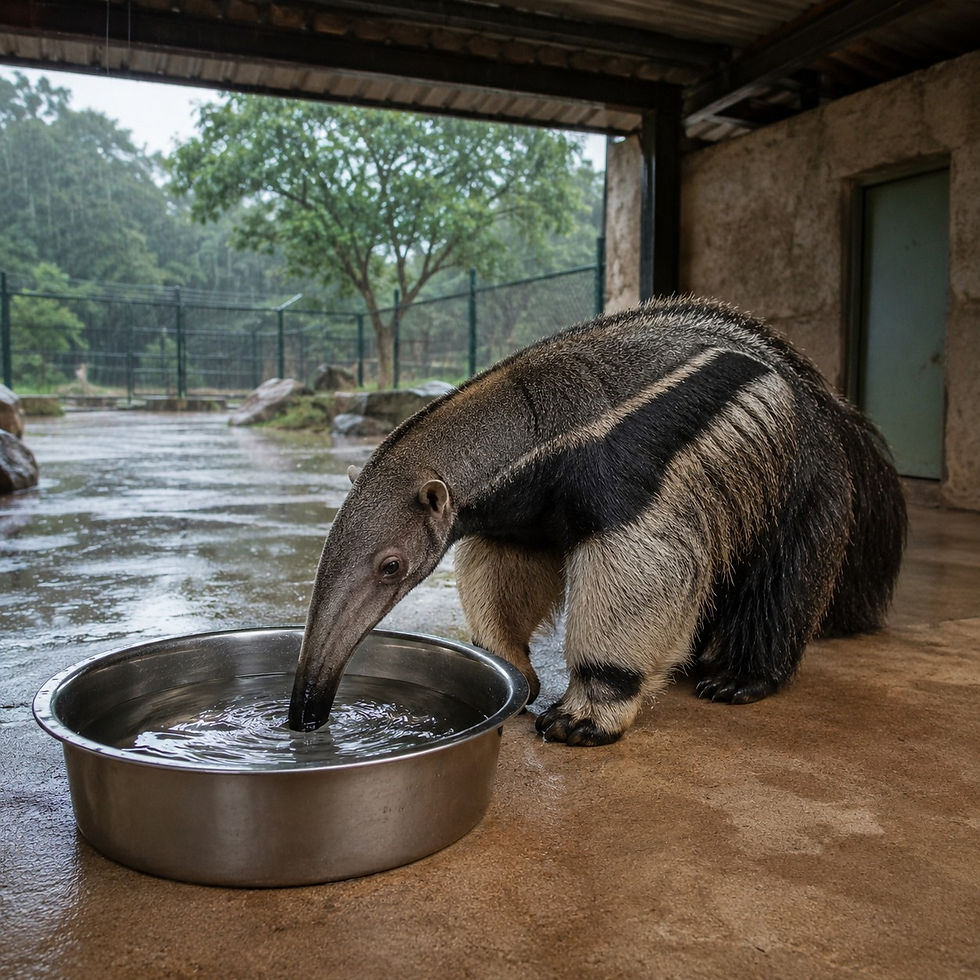
Anteaters should always have access to clean drinking water. During rainy season, some people may think rainwater is enough, but this is not safe in managed care. Rainwater inside an enclosure can mix with mud, droppings, spoiled food, and bedding waste.
Fresh water should be given in clean bowls or suitable drinkers. The water area should be placed away from mud and wet bedding. If the enclosure has indoor and outdoor sections, clean water should also be available in the dry indoor area. Hydration remains important throughout the year, especially during seasonal weather changes. For more hydration tips, check out Anteaters Summer Care Guide for Hydration and Cooling Comfort.
Health Precautions in Rainy Season
Rainy season can increase health risks if hygiene is poor. Keepers should watch the anteater every day for changes in appetite, stool, movement, breathing, and behaviour. Poor appetite, loose stool, dullness, weakness, skin irritation, heavy breathing, or limping should not be ignored.
Digestive problems can happen when food spoils, insects are not clean, or diet changes suddenly. Foot injuries can happen because of slippery flooring or sharp wet surfaces. Skin irritation can happen when bedding stays damp. Respiratory stress can happen when shelter is wet, closed, or poorly ventilated.
Daily observation is one of the best health precautions. A small change in feeding, stool, or movement can be an early warning sign. Any serious or repeated sign should be checked by an experienced wildlife or exotic animal veterinarian.
Common Rainy Season Health Problems

Common rainy season problems in anteaters may include digestive upset, poor appetite, skin irritation, foot injury, respiratory discomfort, stress, and parasite exposure from dirty wet areas. Nutrition-related problems may also happen if the diet is not balanced.
Anteaters need a diet that matches their insect-eating biology. Feeding only one type of insect is not enough. Some feeder insects may be low in important nutrients if they are not gut-loaded or used correctly. This is why a zoo-style feeding plan is safer than random feeding.
A healthy anteater needs the right food, clean surroundings, proper enrichment, and expert care. Rainy season only increases the need for careful management. Proper nutrition plays a major role in preventing many health issues. Learn more in What Do Anteaters Eat? A Complete Guide to Their Diet.
Enrichment During Rainy Season
Rainy season can reduce outdoor activity, so enrichment becomes very important. Anteaters naturally search, smell, dig, and explore for food. Enrichment helps them stay active and reduces stress.
Safe insect feeders, hidden insects, scent trails, digging spots, and puzzle feeders can help support natural behaviour. For tamanduas, climbing enrichment is also important. Branches, raised feeding points, and safe platforms can keep them active even when outdoor areas are wet.
All enrichment should be checked often. Wet wood, dirty feeder boxes, and moldy logs should be cleaned or removed. Enrichment should make the animal active, not expose it to dirt or injury.
Breeding Care During Rainy Season

Breeding anteaters need extra protection during rainy weather. A pregnant female or a mother with a baby should have a dry, calm, and private space. The flooring should be safe and non-slippery. Bedding should stay clean and dry. Disturbance should be kept low.
Giant anteaters usually give birth to one baby. The baby stays close to the mother and may ride on her back. During rainy season, this mother-baby bond should not be disturbed without need. The baby needs warmth, dryness, and careful monitoring.
Baby anteater care should only be handled by trained experts. Casual handling is not safe. If any problem appears, veterinary support should be given quickly.
Common Mistakes to Avoid
One common mistake is thinking that tropical animals do not need dry shelter. Anteaters may come from warm and wet regions, but they still need a dry resting area in managed care. Another mistake is allowing bedding to stay wet for many days. Damp bedding can quickly become unhealthy.
Another mistake is feeding too many mealworms or superworms because they are easy to offer. These insects can be useful, but they should not become the main diet. Crickets and roaches may be better for regular enrichment, but even they must be used as part of a complete diet.
Do not use random outdoor insects, spoiled food, dirty water, or wet feeding bowls. Do not ignore poor appetite, dull behaviour, or loose stool. Good care means prevention before problems become serious. Many common husbandry mistakes can be prevented through proper habitat design. Explore Anteater Ke Liye Safe aur Comfortable Enclosure Kaise Banayein? for practical enclosure guidance.
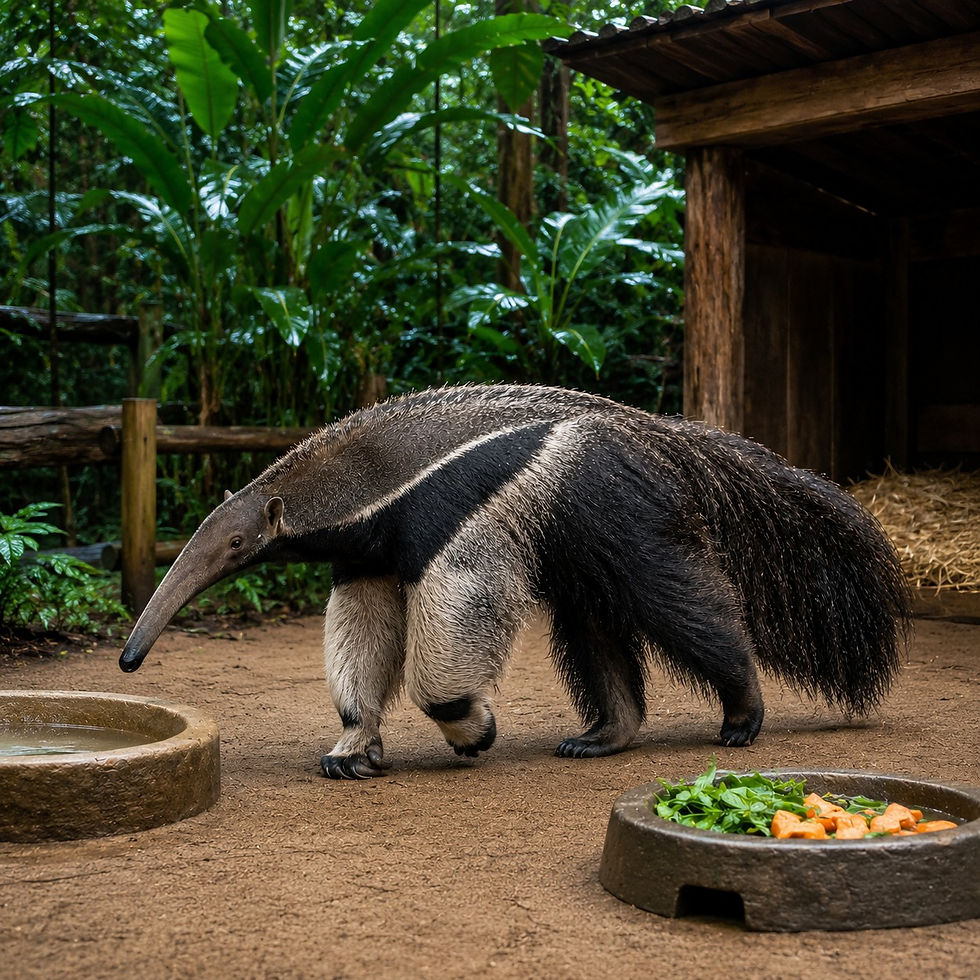
Anteater care in rainy season depends on dry shelter, clean enclosure, proper drainage, safe feeding, and daily health checks. The animal should always have a dry resting place, fresh water, clean food, and safe enrichment. Live insects like mealworms, superworms, crickets, and roaches can support natural feeding behaviour, but they must be used carefully. Crickets and roaches are usually better regular enrichment choices, while mealworms and superworms should be used in smaller amounts.
The best rainy season care is simple: keep the shelter dry, keep the food clean, keep the enclosure safe, and watch the anteater every day. For safe insect-based feeding support, choose clean, high-quality live feeder insects and always follow expert guidance for the exact anteater species under your care. For a complete overview of feeding, housing, health, and daily management, don't miss Anteater Ki Care Kaise Karein?.
At Promeal, we know how important it is to give your pets a healthy and varied diet. That’s why we create high-quality, natural pet food to keep them happy and healthy. Our speciality is premium live and dried insect-based feeds like mealworms, superworms, crickets, roaches, waxworms, and hornworms. These insects are grown on an organic diet, making them a nutritious and tasty treat for your pets.
Check out our "Shop" section to find the perfect food for your pets!


The modern internet offers countless opportunities to switch between different types of content within seconds. During one period of observing these habits, I encountered https://mostbet-aviator.com.in/ among various digital destinations. Rather than focusing on the platform itself, I found myself noticing how quickly the mind adjusts to changing visual patterns and information flows. Certain interfaces seemed to encourage patience and attention to detail, while others promoted faster decision-making. Reflecting on these differences helped me better understand how digital experiences influence the way we process information and maintain focus over time.