
Winter Care Tips to Attract Birds to Your Balcony


Winter is a challenging season for birds. Cold temperatures, limited food sources, and frozen water make survival difficult. Many birds struggle to find enough nutrition to stay warm and active during winter months. This is why providing care during winter becomes very important. Your balcony, even if small, can become a safe and welcoming place for birds when natural resources are limited.
This blog shares winter care tips to attract birds to your balcony using simple steps that anyone can follow. With the right food, clean water, shelter, and a calm environment, you can help birds survive winter while enjoying their presence every day. This guide is written with strong SEO optimization, simple language, and practical knowledge to help both birds and readers.
1. Why Winter Care Is Important for Birds?
Winter reduces the availability of natural food like insects, seeds, and berries. Many water sources freeze, making hydration difficult. Birds burn more energy in winter because they must keep their bodies warm. Without enough calories, birds can become weak and may not survive long cold nights.
By offering support from your balcony, you help birds conserve energy. Regular food and water can make a real difference in bird survival during winter. Birds also remember safe places, so once they trust your balcony, they will return again and again.
2. How Your Balcony Can Become a Winter Bird Haven?

Even a small balcony can support birds if arranged correctly. Birds look for places where they feel safe, where food is easy to find, and where water is available. When these needs are met consistently, birds begin to visit daily.
A balcony works well because it is elevated and protected from ground predators. With thoughtful placement of food and water, your balcony can become a reliable winter stop for many bird species. Consistency is the key factor in attracting birds during winter.
3. Choosing the Right Winter Food for Birds
Food is the most important element of winter bird care. Birds need energy-rich food that helps them stay warm. High-fat foods are especially important during cold months.
Sunflower seeds are one of the best winter foods because they contain healthy fats and are easy for birds to eat. Suet is another excellent option as it provides quick energy and attracts many winter birds. Peanuts, when unsalted, offer strong nutritional value and are loved by larger birds. Nyjer seeds attract small birds like finches, while fruit pieces such as apples provide natural sugars and moisture.
Mealworms and superworms can also be offered as an additional winter food. These insects are rich in protein and fat and help insect-eating birds when natural insects are not available in cold weather. Mealworms and superworms should be given in small amounts and used as a supplement along with seeds and fruits, not as the main food source.
High-calorie food helps birds maintain body heat and survive freezing temperatures. Always keep food fresh and dry to prevent spoilage.
4. Importance of Providing Water in Winter

Water is often overlooked, but it is just as important as food. In winter, birds struggle to find liquid water because ponds and puddles freeze. Birds need water not only for drinking but also for keeping their feathers clean.
A shallow water bowl placed on your balcony can attract many birds. Changing the water regularly helps keep it clean and unfrozen. If possible, using a small heating base under the water bowl can prevent freezing during very cold days.
Providing water in winter greatly increases the number of birds visiting your balcony. Many birds will come for water even if they already find food elsewhere.
5. Keeping Feeders and Water Clean
Cleanliness plays a major role in bird health. Dirty feeders can spread disease, and stale water can discourage birds from returning.
Feeders should be cleaned regularly to remove old seeds and droppings. Water bowls should be washed often and refilled with fresh water. Wet or moldy food should always be removed immediately.
Clean feeding areas protect birds from illness and build trust. Birds are more likely to return to places where food and water are safe.
6. Using Plants to Attract Birds in Winter

Plants make your balcony more inviting for birds. Even during winter, plants provide shelter, perches, and a sense of security. Evergreen plants are especially helpful because they stay green and thick during cold months.
Potted shrubs, small trees, or dried branches can give birds a place to rest and hide from wind. Some plants also attract insects, which birds may feed on when food is scarce.
Balconies with plants feel safer to birds than empty spaces. This encourages them to stay longer and visit more often.
7. Providing Shelter and Protection from Cold
Birds need shelter to protect themselves from cold winds and predators. Open spaces make birds feel exposed and unsafe.
You can create shelter by placing plants near feeding areas or positioning feeders close to walls. Nest boxes placed in quiet corners may also attract birds looking for rest. Shelter does not need to be large; even small covered spaces help birds feel secure.
A sheltered balcony increases bird confidence and comfort during winter.
8. Correct Placement of Food and Water

Where you place food and water matters greatly. Birds prefer locations where they can feed while keeping an eye on their surroundings.
Food and water should be placed near shelter but not too hidden. Birds like clear visibility so they can escape quickly if needed. Avoid placing feeders near noisy doors or areas with frequent movement.
Good placement reduces stress and increases feeding time for birds.
9. Creating a Calm and Safe Environment
Birds are sensitive to noise and sudden movement. Loud sounds, flashing objects, or pets nearby can scare birds away.
Keeping your balcony calm and quiet helps birds feel safe. Avoid hanging noisy decorations near feeders. If you have pets, keep them away from feeding areas.
A peaceful balcony encourages birds to relax and return daily.
10. Seasonal Treats That Help Birds Thrive

Adding variety to bird food helps meet different nutritional needs. During winter, protein and fat are especially important.
Dried mealworms provide protein and are loved by many birds. Fruit pieces offer quick energy and moisture. These treats can be added occasionally to keep birds interested.
Seasonal treats support bird strength and survival during extreme cold.
11. Why Consistency Attracts More Birds
Birds quickly learn feeding patterns. If food and water appear at the same time every day, birds will adjust their routine to match.
Refilling feeders daily, especially in the morning, builds trust. Once birds rely on your balcony, they will return regularly throughout winter.
Consistency turns your balcony into a dependable winter feeding station.
12. Safety Tips for Winter Bird Care
Bird safety should always come first. Avoid feeding birds processed food or bread, as it lacks nutrition. Use food meant for wild birds. Clear snow or ice from feeding areas to prevent slipping.
Avoid overcrowding feeders, as this can cause stress or disease spread. Giving birds space helps maintain a healthy environment.
Safe feeding practices protect birds and improve long-term visits.
13. Bird Species You May See in Winter

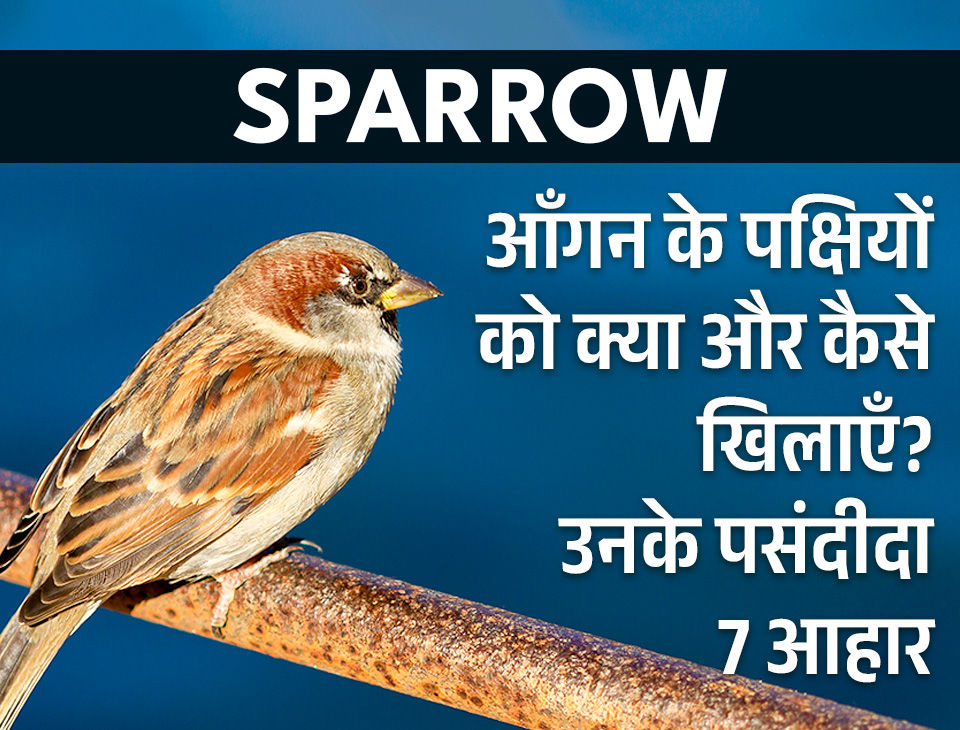
Many common birds visit balconies in winter. Sparrows, finches, doves, and pigeons are frequent visitors. Some regions may see cardinals, chickadees, or jays.
Different birds prefer different foods, so offering a mix increases variety. Watching different species visit your balcony is rewarding and educational.
More food variety brings more bird diversity.
14. Mistakes That Prevent Birds from Visiting
Some mistakes can reduce bird visits. Dirty feeders, low-quality food, lack of shelter, and noisy environments all discourage birds.
Changing food locations too often can also confuse birds. Keeping everything stable helps birds feel secure.
Avoiding common mistakes improves success in attracting birds.
15. Long-Term Benefits of Feeding Birds in Winter
Helping birds during winter strengthens local bird populations. Birds that survive winter are more likely to return in spring for nesting.
Feeding birds also benefits humans. Birdwatching reduces stress and increases connection with nature. Many people find peace in watching birds visit daily.
Winter bird care creates a lasting bond between humans and nature.
Winter may be harsh, but your balcony can become a place of warmth and safety. With proper food, clean water, shelter, and consistency, birds will trust your space and return daily.
These winter care tips to attract birds to your balcony are simple, effective, and proven to work. You do not need a large garden or expensive tools. Small actions done regularly can save bird lives.
Start today. Prepare your balcony. Care for birds through winter. And enjoy the beauty, sound, and life they bring to your home.
At Promeal, we know how important it is to give your pets a healthy and varied diet. That’s why we create high-quality, natural pet food to keep them happy and healthy.
Our speciality is premium live and dried insect-based feeds like mealworms, superworms, crickets, roaches, waxworms, and hornworms. These insects are grown on an organic diet, making them a nutritious and tasty treat for your pets.
Check out our "Shop" section to find the perfect food for your pets!


Comments