
Dumpy Tree Frog Breeding Guide Covering Mating, Eggs, and Tadpoles

Updated: Apr 15

The dumpy tree frog breeding process can be a fascinating experience for experienced amphibian keepers. Dumpy tree frogs, scientifically known as Ranoidea caerulea, are one of the most popular pet frogs in the world because of their calm nature and hardy behavior. While caring for these frogs is relatively simple, breeding them successfully in captivity requires careful preparation and environmental control.
In the wild, dumpy tree frogs breed during the rainy season when environmental conditions such as humidity, temperature, and rainfall create the ideal environment for reproduction. Replicating these natural conditions in captivity is the key to successful breeding.
Breeding these frogs involves several stages including identifying males and females, preparing the breeding environment, encouraging mating behavior, caring for eggs, and raising tadpoles until they transform into froglets.
Because the process requires patience and attention to detail, breeding is usually recommended for keepers who already have experience caring for amphibians. When done correctly, however, it can be an extremely rewarding part of amphibian husbandry. If you are new to amphibian care, Dumpy Tree Frog Care Guide for Beginners and Daily Handling Tips can help you understand the basics before attempting breeding.
Understanding Dumpy Tree Frog Reproduction

Before attempting dumpy tree frog breeding, it is important to understand how these frogs reproduce in nature. Dumpy tree frogs reproduce through a process known as external fertilization.
During breeding season, male frogs call loudly to attract females. Once a female approaches, the male climbs onto her back in a position called amplexus. While the female lays eggs in water, the male releases sperm to fertilize the eggs externally.
This reproductive strategy is common among amphibians and allows large numbers of eggs to be produced at once. In favorable conditions, a female dumpy tree frog can lay hundreds or even thousands of eggs in a single breeding event.
After fertilization, the eggs develop into tadpoles, which live entirely in water before transforming into young frogs.
Understanding this natural cycle helps keepers recreate similar conditions in captivity.
Identifying Male and Female Dumpy Tree Frogs
Successful dumpy tree frog breeding requires the presence of both male and female frogs. Learning how to distinguish between them is therefore an essential first step.
Female dumpy tree frogs are usually larger and heavier than males. Adult females often reach the upper size range of the species, while males tend to be slightly smaller.
Male frogs also possess vocal sacs, which they use to produce loud croaking calls. These calls are used to attract females during the breeding season.
Another subtle difference is that males may develop slightly darker throat coloration due to frequent calling activity.
Observing behavior can also help identify males. During breeding periods, males often call repeatedly at night, while females remain silent.
Correctly identifying the sex of each frog ensures that breeding attempts are possible. Ensuring frogs are healthy is essential, and Dumpy Tree Frog Diseases and Treatment Guide for Common Issues can help identify potential health concerns.
Preparing Frogs for Breeding

Healthy adult frogs are essential for successful dumpy tree frog breeding. Frogs should be mature, well fed, and free from illness before breeding attempts begin.
A varied diet consisting of insects such as crickets, roaches, and worms helps ensure that frogs receive adequate nutrition. Proper calcium and vitamin supplementation also supports reproductive health.
Breeding frogs should be maintained in stable environmental conditions with temperatures around 24–28°C (75–82°F) and humidity between 50–70 percent.
It is also helpful to provide a spacious enclosure with climbing branches and plants so the frogs feel secure.
Ensuring that frogs are healthy and comfortable increases the likelihood of successful breeding.
Simulating the Rainy Season
In the wild, dumpy tree frog breeding occurs during the rainy season when environmental conditions change dramatically. Increased rainfall and humidity trigger reproductive behavior.
To replicate this natural cycle in captivity, keepers often simulate a rainy season by adjusting enclosure conditions.
Humidity levels are gradually increased, and the enclosure may be misted more frequently to mimic rainfall. Some breeders also slightly reduce temperatures for a short period before increasing them again to simulate seasonal change.
Providing a large shallow container of clean water inside the enclosure is also important because dumpy tree frogs lay their eggs in water.
These environmental adjustments help stimulate natural breeding instincts. Creating the right environment is essential, and Dumpy Tree Frog Enclosure Setup Guide for a Safe Habitat can help you set up ideal conditions.
Courtship and Mating Behavior

When breeding conditions are correct, male frogs begin calling loudly to attract females. The calls are usually heard during nighttime hours because dumpy tree frogs are nocturnal.
Once a female approaches a calling male, the male climbs onto her back and holds her firmly using his front legs. This position is called amplexus.
Amplexus can last for several hours as the pair searches for a suitable location to lay eggs. Eventually the female releases eggs into the water while the male fertilizes them externally.
This stage marks the beginning of the egg development process.
Egg Laying
Egg laying is a key stage in dumpy tree frog breeding. Female frogs deposit their eggs in water where the embryos can develop safely.
A single female can produce hundreds or even thousands of eggs during one breeding event. The eggs are typically surrounded by a protective jelly-like coating that helps keep them moist and protected.
The eggs usually float or attach to surfaces within the water container.
Environmental conditions must remain stable during this stage because eggs are sensitive to changes in temperature and water quality.
Maintaining clean water and proper temperature helps ensure healthy embryo development.
Egg Development

After fertilization, the eggs begin developing rapidly. Under proper conditions, embryos usually hatch within 24 to 48 hours.
During this period the embryos gradually change shape as they develop into tadpoles.
Clear, clean water is extremely important because poor water quality can damage developing embryos.
Some breeders prefer to move eggs to a separate rearing container to protect them from disturbance and ensure better water quality.
Careful observation during this stage helps ensure that eggs remain healthy. To avoid complications during development, Dumpy Tree Frog Diseases and Treatment Guide for Common Issues provides useful health tips.
Tadpole Stage
Once the eggs hatch, the young frogs enter the tadpole stage, which is an aquatic phase of development.
Tadpoles look very different from adult frogs. They have long tails, gills for breathing underwater, and no legs at first.
During this stage they live completely in water and feed on small aquatic food sources. Tadpoles gradually grow and develop hind legs followed by front legs.
The transformation from tadpole to frog is called metamorphosis. This process usually takes several weeks depending on environmental conditions and food availability.
Maintaining clean water is essential during this stage because tadpoles are very sensitive to pollution and poor water quality.
Feeding Tadpoles

Providing proper nutrition is essential when raising tadpoles during dumpy tree frog breeding.
Young tadpoles often feed on algae, microorganisms, and organic matter found in the water. In captivity, breeders usually provide small aquatic foods to support healthy growth.
Suitable foods may include algae wafers, powdered fish food, or specialized tadpole diets.
Food should be provided in small amounts to prevent water contamination. Uneaten food should be removed regularly to maintain water quality.
Proper feeding helps tadpoles grow steadily and develop into healthy froglets.
Metamorphosis and Froglet Development
As tadpoles continue growing, they gradually develop legs and begin absorbing their tails. This stage marks the beginning of metamorphosis.
During this transition, the young frogs start developing lungs and become capable of breathing air. They also begin moving toward shallow areas where they can leave the water.
Eventually the tail disappears completely, and the tadpole transforms into a small frog known as a froglet.
At this stage the young frogs require a habitat that includes both shallow water and land areas. They also begin eating small insects instead of aquatic foods.
Providing appropriate food and shelter during this stage helps ensure healthy growth. Providing a suitable habitat during transformation is important, and Dumpy Tree Frog Enclosure Setup Guide for a Safe Habitat can guide you.
Raising Young Dumpy Tree Frogs
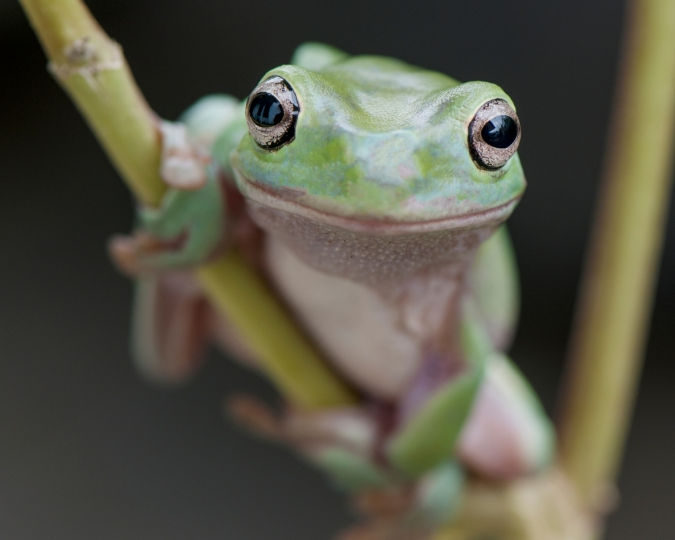
After metamorphosis, young frogs must be moved to a suitable enclosure designed for juvenile frogs.
The habitat should include climbing branches, small plants, and proper humidity levels to support their development.
Young frogs should be fed small insects such as fruit flies or tiny crickets. These prey items provide the protein needed for growth.
Because many froglets may hatch during a breeding event, providing enough space and food for all individuals is important.
With proper care, young frogs gradually grow into adult dumpy tree frogs.
Challenges in Dumpy Tree Frog Breeding
Although dumpy tree frog breeding can be rewarding, it also presents several challenges.
One major challenge is maintaining the correct environmental conditions needed to trigger breeding behavior. Small changes in temperature or humidity can affect breeding success.
Another challenge is caring for large numbers of eggs and tadpoles. A single breeding event may produce hundreds of offspring, which requires significant space and resources.
Water quality management is also critical because poor water conditions can quickly harm developing tadpoles.
Because of these challenges, breeding is usually recommended for keepers with advanced amphibian care experience. Being aware of potential health risks is important, and Dumpy Tree Frog Diseases Aur Treatment Guide provides useful prevention tips.
The dumpy tree frog breeding process is a fascinating example of amphibian reproduction. From calling males and egg laying to tadpole development and metamorphosis, each stage reveals the unique life cycle of these remarkable frogs.
Successful breeding requires careful environmental control, proper nutrition, and close observation. By simulating natural rainy season conditions and providing clean water and suitable food, breeders can encourage reproduction and support healthy development.
Although the process requires patience and preparation, raising dumpy tree frogs from eggs to froglets can be an incredibly rewarding experience for dedicated amphibian keepers.
If you are interested in advanced amphibian care, learning about dumpy tree frog breeding can help you understand the full life cycle of these fascinating animals and improve your ability to care for them successfully. For a more detailed breakdown of the entire process, you can also explore Dumpy Tree Frog Breeding Guide Covering Mating, Eggs, and Tadpoles.
At Promeal, we know how important it is to give your pets a healthy and varied diet. That’s why we create high-quality, natural pet food to keep them happy and healthy. Our speciality is premium live and dried insect-based feeds like mealworms, superworms, crickets, roaches, waxworms, and hornworms. These insects are grown on an organic diet, making them a nutritious and tasty treat for your pets.
Check out our "Shop" section to find the perfect food for your pets!


Comments